
Sauces & Condiments
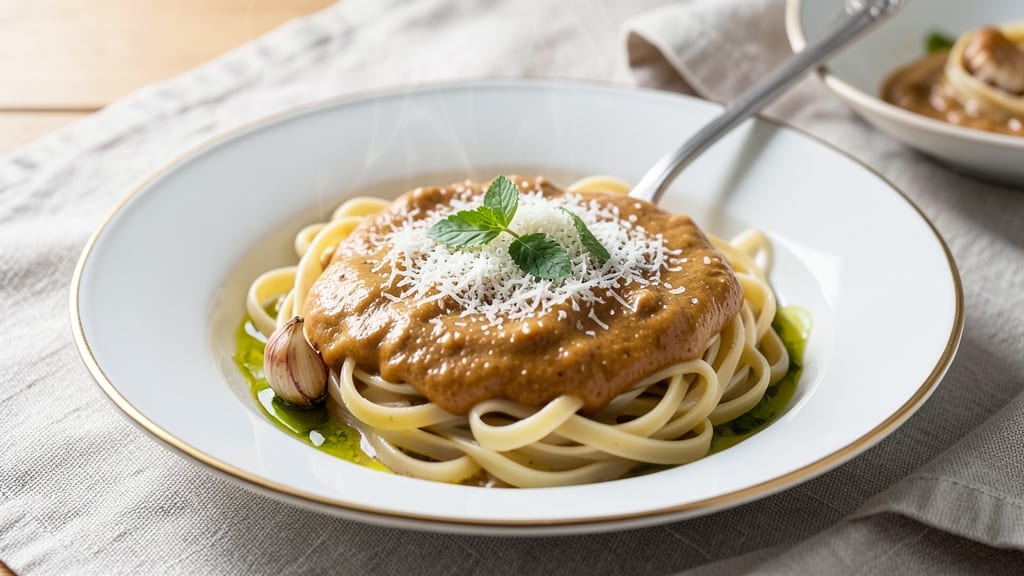
This Alfredo cheese sauce recipe transforms simple pantry staples into velvety perfection—no lumps, no fuss, just ultra-smooth stovetop mastery. The secret lies in whisking butter and flour into a golden roux before gradually adding warm cream and freshly grated Parmesan.
I've perfected this technique through years of testing, ensuring every batch delivers that signature creamy, rich texture without breaking a sweat.
The foundation of great Alfredo sauce starts with equal parts butter and flour cooked until nutty brown—this creates the flavor base that prevents separation later. Warm cream (not boiling) is whisked in slowly to temper the cheese, while freshly grated Parmesan adds depth that powdered versions can't match.
For extra richness, I recommend using heavy cream and high-quality cheese, but don't worry if you're working with what you have on hand.
What you'll end up with is a silky, restaurant-quality sauce that coats pasta perfectly without turning gluey. The key is constant whisking and patience—rushing leads to lumps, but taking your time guarantees velvety smoothness.
This sauce keeps its luxurious texture even after reheating, making it ideal for meal prep or last-minute dinners.
For added flavor, consider infusing the cream with garlic or herbs before incorporating it into the sauce. Store leftovers in the refrigerator for up to 5 days or freeze for longer storage.
When you're ready to use it, simply reheat gently while stirring to maintain that perfect consistency. Let's get cooking!
Ingredients for alfredo cheese
Nine simple ingredients create velvety perfection—no lumps, just restaurant-quality Alfredo sauce.
| Ingredient | Amount | Notes |
|---|---|---|
| Unsalted Butter 🧈 | ½ cup | Cold, cubed for roux |
| All-Purpose Flour 🌾 | ½ cup | White flour preferred |
| Heavy Cream 🥛 | 2 cups | Full-fat for richness |
| Parmesan Cheese 🧀 | 1 ½ cups | Freshly grated from block |
| Garlic Cloves 🧄 | 2 cloves | Minced for infusion |
| Extra-Virgin Olive Oil 🫒 | 1 tbsp | For extra flavor infusion |
| Salt 🧂 | ½ tsp | Kosher or sea salt |
| Black Pepper 🌶️ | ¼ tsp | Freshly ground preferred |
| Fresh Basil Leaves 🌿 | ¼ cup | Chopped for garnish |
| Nutmeg 🌶️ | ¼ tsp | Freshly grated for warmth |
The butter and flour are your flavor foundation. Use unsalted butter—it gives you control over the seasoning. I always grab Land O'Lakes or Plugrá from the store, but any good-quality brand works. For the flour, King Arthur or Bob's Red Mill are my go-tos—they blend smoothly without grittiness. The key here is making sure both are at room temperature before starting, so they combine into that perfect golden roux. If you're short on time, just let them sit out for 10 minutes while you prep the rest. Freshly grated Parmesan makes all the difference—Parmigiano-Reggiano from the deli section is ideal, but any quality block cheese works if you've got a good grater.
No heavy cream? Half-and-half works in a pinch, though it'll be slightly lighter. Fresh basil? Dried oregano at one-third the amount gets you close. Want to skip the garlic infusion? Just whisk it into the finished sauce instead. The nutmeg is optional but adds that signature warmth—if you're missing it, a pinch of cinnamon does the trick. For extra richness, some people add a splash of milk or even a little cream cheese, but I find the basic combo above gives you that perfect balance. Pro tip: if you're making this ahead, infuse the cream with garlic and herbs before adding it to the roux—it keeps the flavors vibrant longer.
This sauce is a meal prep dream. Store in an airtight container in the fridge for up to 5 days, or freeze for 3 months—just thaw in the fridge overnight. When reheating, do it low and slow over gentle heat, stirring constantly to keep it smooth. If it thickens too much, just add a splash of warm milk or cream. I always make extra—it freezes beautifully and turns any pasta into a fancy dinner. The basil can be added fresh right before serving if you want to keep it vibrant.
Why You'll Love This Recipe
- Five-Ingredient Magic: The pantry staples you already own—just butter, flour, cream, Parmesan, and garlic—make this feel like cheating. No fancy ingredients, no last-minute grocery runs. Honestly, I’ve made it with whatever cheese was in my fridge, and it still works.
- Rich Without Effort: That moment when the roux turns golden and the cream swirls in? Pure satisfaction. The garlic infuses just enough to wake up your taste buds, while the Parmesan melts into something dangerously smooth. It’s the kind of sauce that makes you pause mid-bite.
- Weeknight to Dinner Party: Same sauce, endless uses. Slather it on fettuccine for a quick weeknight dinner, or drizzle it over grilled chicken for a restaurant-worthy dish. I’ve even used it as a creamy base for baked potatoes—because why not? It’s that adaptable.
- Leftovers That Don’t Suck: Unlike some sauces that turn gluey, this one reheats like a dream. Store it in the fridge for up to 5 days, or freeze it in portions. Thaw, warm, and toss—no texture changes, no sad moments. My lazy Sunday mornings thank me every time.
Step-by-step instructions for ultra-smooth Alfredo cheese sauce
Here's how to make a velvety, lump-free sauce that clings perfectly to pasta.
Create the Perfect Roux
Melt the 0.5 cup unsalted butter in a medium saucepan over medium-low heat. I like to use cold, cubed butter so it melts gradually and doesn't burn. Once fully melted, add the 0.5 cup all-purpose flour all at once and whisk vigorously for 2-3 minutes until the mixture turns a pale golden color and smells nutty.
This is your roux foundation—don't rush it. You're looking for a smooth paste with no floury bits. If it starts to darken too quickly, reduce the heat slightly. The roux should coat the back of a spoon and leave a clean streak when you drag your finger through it. This ensures your sauce will be thick, creamy, and lump-free.
Cook the Garlic and Infuse with Olive Oil
Remove the saucepan from heat and let it cool slightly for 1 minute. Add the 1 tbsp extra-virgin olive oil and the 2 minced garlic cloves, then return to medium-low heat. Cook for 1-2 minutes until the garlic is fragrant but not browned—you want that sweet, aromatic flavor without bitterness.
Here's the thing—adding the garlic off the heat first prevents burning while still infusing the roux with flavor. The olive oil adds depth while helping prevent the sauce from becoming too heavy. Stir constantly so the garlic doesn't stick to the bottom and burn. You'll know it's ready when the aroma fills your kitchen—like walking through an Italian market.
Gradually Add the Heavy Cream
Slowly pour in the 2 cups heavy cream while whisking continuously. The key here is patience—adding the cream too quickly creates lumps. Start with a small stream, then gradually increase as the mixture thickens. Return the heat to medium-low and cook for 5-7 minutes, stirring constantly, until the sauce thickens enough to coat the back of a spoon.
This gradual addition creates tiny emulsified particles that give your sauce that signature silky texture. If you see any lumps forming, immediately whisk them out. The sauce should simmer gently—you'll see small bubbles forming at the edges but not a full boil. If it gets too thick, add 1-2 tablespoons of water to loosen it slightly.
Incorporate the Parmesan and Seasonings
Reduce the heat to low and gradually whisk in the 1.5 cups freshly grated Parmesan cheese. I use a fine grater for this—it melts more smoothly than pre-shredded cheese. Add the 0.5 tsp salt, 0.25 tsp black pepper, and 0.25 tsp freshly grated nutmeg, stirring constantly until the cheese is fully melted and the sauce is completely smooth.
This is where the magic happens—the nutmeg adds warmth, the pepper brings a subtle kick, and the Parmesan gives that authentic Italian richness. If the sauce looks too thick, whisk in 1-2 tablespoons of pasta water to reach your desired consistency. The sauce should coat a spoon but still flow easily—like liquid velvet.
Finish with Fresh Basil and Serve Immediately
Remove the sauce from heat and stir in the 0.25 cup chopped fresh basil leaves. The basil adds a bright, fresh finish that cuts through the richness. Taste and adjust seasoning if needed—sometimes the Parmesan needs a little more salt, or you might want to add a pinch more pepper.
Serve the sauce immediately over your favorite pasta, tossing gently to coat each strand. The sauce should cling beautifully without being gluey. If you need to reheat leftovers, do so over low heat with a splash of cream or water to prevent curdling. This sauce is best enjoyed fresh—it's the ultimate comfort food experience!
Pro Tips For Making Alfredo Cheese
- Cook Butter Low and Slow: I learned this the hard way—cranking the heat to brown the butter turns your Alfredo into a buttery disaster. Melt the butter over medium-low, stirring constantly, until it’s just liquid gold (no color, no bubbles). The goal is flavor, not drama.
- Whisk the Roux Relentlessly: That flour-butter mix will clump if you’re not aggressive. Whisk like you’re mad at it for 3-4 minutes over medium heat until it’s smooth as silk. No lumps = no future scraping sauce off your pan. (Yes, even if you’re impatient like me.)
- Grate Parmesan Fresh: Pre-shredded cheese is a crime in Alfredo. The starches in the cheese keep it from dissolving properly. Grab a fine grater and work in batches—you’ll need about 1.5 cups for a creamy, melty finish. (Your future self will thank you.)
- Temper the Cream Gradually: Dumping cold heavy cream into your hot roux? That’s how you curdle. Warm the cream in a separate saucepan first, then whisk it into the roux in a thin, steady stream. The sauce will thicken like a dream instead of seizing up like a scared cat.
Troubleshooting this dish
Lumpy Sauce Fix
If your Alfredo sauce develops lumps during cooking, don't panic—it's fixable! Immediately whisk vigorously with a balloon whisk or immersion blender until smooth. For stubborn lumps, remove the pan from heat and stir in 1-2 tablespoons of warm heavy cream or pasta water while whisking continuously.
The heat from the sauce will help dissolve the lumps completely. 💡
Sauce Too Thick?
If your sauce thickens too much, simply whisk in 1-2 tablespoons of warm milk, cream, or pasta water to reach your desired consistency. For a richer texture, use heavy cream—it blends seamlessly.
Avoid adding cold liquids, as they can cause the sauce to separate. If you're serving immediately, a slightly thicker sauce is ideal for clinging to pasta.
Cheese Not Melting?
If your Parmesan cheese isn't melting smoothly, reduce the heat to low and whisk in 1 tablespoon of warm pasta water at a time. The gradual addition of liquid helps emulsify the cheese particles.
For extra insurance, use freshly grated Parmesan—pre-shredded cheese contains anti-caking agents that can prevent proper melting. If needed, strain the sauce through a fine-mesh sieve to remove any unmelted bits.
Sauce Separating After Reheating
If your Alfredo sauce separates when reheated, it's likely due to temperature shock. To fix it, whisk in 1 tablespoon of warm heavy cream or whole milk while stirring constantly over low heat.
The fat content in the cream helps re-emulsify the sauce. For prevention, always reheat Alfredo sauce gently—never microwave it directly. Instead, use a double boiler or low heat on the stovetop for even warming.
Burnt Garlic Flavor
If your garlic tastes burnt, you likely cooked it too long. To prevent this, remove the saucepan from heat before adding garlic and olive oil, then return to medium-low heat for just 1-2 minutes. The garlic should be fragrant but not browned.
For a milder flavor, use less garlic or garlic-infused olive oil instead. If you've already burnt the garlic, strain the sauce through a fine-mesh sieve to remove the bits, then whisk in 1 teaspoon of fresh lemon juice to cut the bitterness.
Sauce Too Rich?
If your Alfredo sauce tastes too heavy, balance it by whisking in 1-2 tablespoons of warm pasta water or light chicken broth. For a lighter texture, reduce the amount of heavy cream to 1.5 cups and replace the rest with half-and-half.
To add brightness, stir in 1 tablespoon of fresh lemon juice or chopped fresh basil—both cut through the richness beautifully. 🌿
Nutrition facts
Frequently asked questions
Can I make Alfredo sauce without heavy cream?
Yes! For a lighter version, replace 1 cup of heavy cream with 1 cup of whole milk or half-and-half. The sauce will still be creamy but slightly less rich. For a dairy-free option, use coconut milk (full-fat) and add 1 tablespoon of cornstarch to thicken it properly. The texture will differ but still work well.
Why did my sauce turn out grainy?
Graininess usually happens when cheese doesn't melt completely. Always use freshly grated Parmesan (not pre-shredded) and whisk constantly while heating. If graininess appears, strain the sauce through a fine-mesh sieve for ultra-smooth results. For extra insurance, add 1 tablespoon of warm pasta water while whisking to help emulsify the cheese.
How can I make this sauce ahead of time?
Alfredo sauce keeps well in the fridge for 5 days in an airtight container. For longer storage, freeze it for up to 3 months. When reheating, warm it gently on low heat while stirring constantly. Add 1 tablespoon of warm cream or milk if it thickens too much. Pro tip: Infuse the cream with garlic or herbs before making the sauce—it keeps flavors vibrant longer.
What's the best pasta to pair with this sauce?
Fettuccine is the classic choice, but any broad, flat noodle works best—think tagliatelle or pappardelle. For extra texture, try fresh egg noodles or ribbon pasta. Avoid thin spaghetti—the sauce may slide off. Toss the pasta with sauce while still slightly al dente for perfect coating.
Can I add other cheeses to this recipe?
For a richer flavor, mix in ½ cup of cream cheese with the Parmesan. For a sharper taste, add ¼ cup of grated Pecorino Romano. Avoid cheeses with high moisture content (like mozzarella) as they can make the sauce too thin. Always grate your own cheese—pre-shredded varieties contain anti-caking agents that prevent smooth melting.