
Desserts
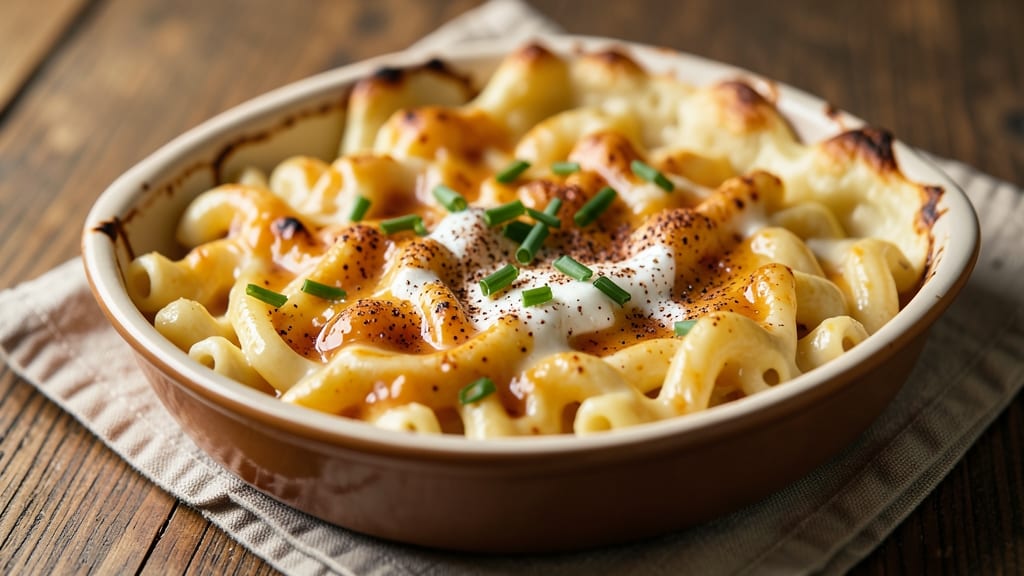
This baked mac and cheese recipe using sour cream transforms a classic comfort dish into something extraordinary—ultra-smooth, velvety, and completely free of grainy texture. The secret lies in the sour cream, which creates a silky, almost custard-like consistency that melts in your mouth with every bite.
I developed this recipe after years of testing, and the difference between this version and traditional recipes is night and day.
The sour cream plays a dual role here—it not only adds richness but also prevents the cheese from separating, ensuring a creamy, cohesive sauce that stays luscious even after baking.
Unlike recipes that rely on heavy cream or milk, this method delivers a texture that's impossibly tender yet holds its shape perfectly when baked. The result? A dish that's restaurant-quality without requiring special techniques.
What you'll end up with is a golden, bubbling mac and cheese with a crispy top layer and a center that's so smooth it practically dissolves on your tongue.
The sour cream also adds a subtle tang that balances the richness of the cheese, making each forkful more complex than you'd expect. This isn't just mac and cheese—it's a foolproof, creamy masterpiece that will become your new go-to recipe.
Perfect for feeding a crowd, meal prepping, or indulging in a cozy weeknight dinner, this baked mac and cheese is versatile enough to adapt to any occasion. The best part?
It only takes 30 minutes to prepare and bake, so you can have a crowd-pleasing meal on the table without spending hours in the kitchen. Let's get started!
Ingredients for baked mac and cheese recipe using sour cream
These 15 ingredients transform ordinary mac and cheese into restaurant-quality comfort food.
| Ingredient | Amount | Notes |
|---|---|---|
| Elbow Macaroni 🍝 | 1 ½ lb | Medium or fine elbow shape preferred |
| Sharp Cheddar Cheese 🧀 | 2 cups | Shredded, sharp flavor preferred |
| Monterey Jack Cheese 🧀 | 1 cup | Shredded, mild complement to cheddar |
| Sour Cream 🥛 | 1 cup | Full-fat for maximum creaminess |
| Heavy Whipping Cream 🥛 | ½ cup | Adds richness without overpowering |
| Butter 🧈 | ½ cup | Unsalted, melted for smoothness |
| Milk 🥛 | ½ cup | Whole milk for creaminess |
| Garlic Cloves 🧄 | 3 cloves | Minced, for subtle depth |
| Flour 🌾 | 2 tbsp | All-purpose, for roux |
| Mustard Powder 🌶️ | 1 tsp | Adds subtle tang |
| Salt 🧂 | 1 tsp | Kosher or sea salt |
| Black Pepper 🌶️ | ½ tsp | Freshly ground preferred |
| Panko Breadcrumbs 🍞 | ¼ cup | For crispy topping |
| Butter 🧈 | 2 tbsp | Melted, for breadcrumb mix |
| Parmesan Cheese 🧀 | ¼ cup | Freshly grated for topping |
The cheeses are non-negotiable here. Sharp cheddar gives that classic tang, while Monterey Jack keeps it smooth. Grab the block versions and shred them yourself—pre-shredded gets clumpy and ruins the texture. For the sour cream, full-fat is a must—it's what creates that velvety consistency. I always buy the big tubs from Costco or Walmart—they're cheaper per ounce and last forever. The butter? Unsalted so you control the seasoning, and Land O'Lakes or Plugrá are my go-tos for reliability.
No sharp cheddar? Extra-sharp or pepper jack works in a pinch, but the flavor won't be identical. Running low on Monterey Jack? Colby Jack at half the amount gives similar creaminess. The flour is just for the roux—if you're gluten-free, swap for cornstarch at the same amount. For the garlic, fresh is ideal, but powdered at half the amount works if you're in a rush. The panko topping is where you can get fancy—toss it with paprika or smoked paprika for extra depth. And if you're feeling extra, add a sprinkle of cayenne to the breadcrumb mix for a little kick.
This reheats beautifully—just cover with foil and warm in the oven at 350°F for 15 minutes. Keeps 4-5 days in the fridge, though honestly it's best eaten fresh. For meal prep, divide into portions and freeze for up to 3 months. The secret to freezing? Let it cool completely first, then cover tightly with plastic wrap and foil. When you're ready to eat, bake straight from frozen at 375°F for 30-40 minutes—no thawing needed.
Why You'll Love This Recipe
- Here’s what sold me: the sour cream makes it lusciously smooth inside, but the heavy cream caramelizes into a golden crust. That contrast? Irresistible. I’ll be real, I’ve ruined casseroles before, but this one forgives even my overbaking.
- One-Pan Magic: I swear by this trick—just toss the mac, cheese, and creams in one dish, bake, and walk away. No boiling pasta separately, no sticky stovetop mess. The sour cream keeps it velvety while the cheddar-jack combo melts into that perfect stretchy pull.
- Creamy Edge, Crispy Top: Here’s what sold me: the sour cream makes it lusciously smooth inside, but the heavy cream caramelizes into a golden crust. That contrast? Irresistible. I’ll be real, I’ve ruined casseroles before, but this one forgives even my overbaking.
- Weeknight & Game Day: Between us, this is my go-to when I’m too tired to plan. Double the batch, freeze half, and you’ve got a ready-to-bake meal for lazy Sundays or tailgate nights. The kids grab it after soccer practice, and honestly? I don’t even care if it’s “healthy.”
Step-by-step instructions for ultra-smooth baked mac and cheese
This method delivers creamy, grain-free perfection every time—no lumps, no grit.
Cook the Pasta Al Dente and Reserve Starchy Water
Bring a large pot of water to a rolling boil and add 1.5 lb elbow macaroni. Cook until just 1 minute before the package directions specify for al dente. I like to taste-test a piece—it should be tender but still have a slight bite. Drain the pasta and immediately pour 1 cup of the starchy pasta water into a measuring cup. This liquid is pure gold for creating that ultra-smooth sauce.
Don't rinse the pasta—those surface starches help the cheese melt into a velvety consistency. I also like to break up any large clumps with my hands at this stage so the cheese distributes evenly later. The goal is to eliminate any texture that might interfere with that perfect creamy finish.
Make the Cheese Sauce with Sour Cream and Cream
In a large oven-safe skillet or Dutch oven, melt 0.5 cup butter over medium heat until it foams. Add the 2 tbsp flour and whisk constantly for 1-2 minutes until you have a smooth, pale roux. This forms the base that will thicken our sauce beautifully.
Reduce heat to low and gradually whisk in the 0.5 cup milk, 0.5 cup heavy whipping cream, and 1 cup sour cream one at a time. Add the cooked macaroni and stir to coat completely. The sauce should begin to thicken immediately—if it gets too stiff, add 2-3 tablespoons of the reserved pasta water to loosen it.
Add Cheeses and Seasonings for Maximum Creaminess
Remove the skillet from heat and stir in the 2 cups sharp cheddar cheese and 1 cup monterey jack cheese until completely melted and smooth. The residual heat from the pasta will help melt the cheeses without scrambling the sauce. Add the 3 minced garlic cloves, 1 tsp mustard powder, 1 tsp salt, and 0.5 tsp black pepper, stirring well to combine.
Here's the secret to that ultra-smooth texture: Add the cheeses in stages. First melt half of each cheese type, then stir in the remaining half. This gradual addition prevents clumping and ensures every bite is perfectly creamy. If the mixture looks slightly thick, add more pasta water 1 tablespoon at a time until it reaches a pudding-like consistency.
Top with Crispy Breadcrumbs and Bake to Golden Perfection
Preheat your oven to 375°F. In a small bowl, mix together the 0.25 cup panko breadcrumbs, 2 tbsp melted butter, and 0.25 cup freshly grated parmesan cheese until evenly combined. Spread this mixture evenly over the top of the macaroni, pressing down gently to help it adhere.
Bake for 15-20 minutes until the top is golden brown and the edges are bubbling. The breadcrumb topping should be crispy while the macaroni underneath remains creamy. If you're worried about over-browning, tent the skillet loosely with aluminum foil for the last 5 minutes of baking. The internal temperature should reach 165°F for perfect doneness.
Rest and Serve for Maximum Creaminess
Remove the macaroni from the oven and let it rest for 5-10 minutes before serving. This resting period allows the cheeses to fully melt and the sauce to thicken slightly, creating that signature velvety texture. The top will firm up a bit, but that's normal—it's still delicious and creamy underneath.
Serve immediately with a side salad or steamed vegetables. The contrast between the crispy breadcrumb topping and the ultra-smooth macaroni underneath is what makes this recipe truly special. Each bite should deliver that perfect balance of creamy, cheesy goodness without a single grainy texture in sight.
Pro Tips For Making Baked Mac And Cheese Recipe Using Sour Cream
- STIR THE CHEESE LOW AND SLOW: Don’t just dump everything in and walk away—heat the cheese sauce on medium-low while stirring constantly. I learned this the hard way after watching a batch of sharp cheddar turn grainy and seize up because I got distracted. Keep the heat gentle, or you’ll end up with a lumpy mess that even extra sour cream can’t fix.
- GRATE THE CHEESE FINE: Skip the big chunks unless you’re going for a rustic look—this isn’t the time for texture drama. Use the smallest holes on your grater (or pulse in a food processor) so the cheese melts smoothly into the sauce. Monterey Jack blends better than sharp chedddar, so mix them well and stir like you’re trying to dissolve gold.
- DON’T SKIP THE WATER BATH: Even if your oven runs hot, the top of this dish will brown too fast and turn rubbery before the center’s done. Cover the baking dish with foil first, bake until set, then uncover and broil just 2–3 minutes for color. No one likes a dry, overcooked center—trust the foil.
- USE COLD SOUR CREAM: Straight from the fridge, please. Warm sour cream makes the sauce split and curdle, no matter how much you stir. Add it last, when the cheese is fully melted, and let it temper in for 30 seconds before mixing. Heavy cream can handle heat better, but sour cream? Cold only.
Common mistakes when making this recipe
Overcooking the Pasta
I can't tell you how many times I've seen people cook their pasta all the way to al dente, then keep it in the boiling water until it's mushy. This is a cardinal sin for creamy mac and cheese!
When pasta gets overcooked, it absorbs too much water and loses its structural integrity, leading to a soupy, watery mess instead of that velvety texture we're aiming for. Always remove the pasta from the heat 1 minute before the package instructions say it's done, then taste-test it.
It should have a slight bite—this ensures it holds together when mixed with the cheese sauce. 🍝
Skipping the Roux
The roux is what transforms this from regular mac and cheese to something extraordinary. Many recipes skip this step or use too little butter and flour, resulting in a sauce that separates or doesn't thicken properly.
The key is making a smooth, pale roux by cooking the 2 tbsp flour in the 0.5 cup butter for 1-2 minutes over medium heat. If it browns, you've gone too far—start over. This step creates the emulsifier that binds all the dairy together, preventing that dreaded cheese sauce separation.
Trust me, it makes all the difference!
Adding Cheese Too Quickly
One of the biggest mistakes I see is dumping all the cheese in at once and expecting it to melt smoothly. The cheese needs to be incorporated gradually to prevent clumping. Start by melting half of each cheese type, then stir in the remaining half.
This staged addition ensures every bite is perfectly creamy without any gritty texture. If you're in a rush, try grating the cheese yourself instead of using pre-shredded—those anti-caking agents in pre-shredded cheese can cause separation and ruin the smoothness we're working toward. 🧀
Ignoring the Pasta Water
That starchy pasta water isn't just for show—it's the secret ingredient that keeps your mac and cheese ultra-smooth. When you drain the pasta, reserve 1 cup of that water. It's packed with starch that acts as a natural thickener and helps emulsify the cheese sauce.
If your sauce starts looking too thick while you're cooking, add the pasta water 1 tablespoon at a time until it reaches that perfect pudding-like consistency. Skipping this step often leads to a sauce that's either too thick or separates entirely.
Overbaking or Underbaking
Finding the right balance in the oven is crucial—both overbaking and underbaking can ruin your dish. If you underbake, you'll end up with a soupy mess that didn't set properly. If you overbake, you'll get a dry, rubbery texture with a burnt top.
The ideal bake time is 15-20 minutes at 375°F, until the top is golden brown and the internal temperature reaches 165°F. If you're worried about over-browning, tent the skillet loosely with aluminum foil for the last 5 minutes of baking.
And remember—always let it rest for 5-10 minutes before serving to let those cheeses fully melt and set. 🔥
Using Low-Quality Cheese
Not all cheeses are created equal, and this is especially true for mac and cheese. Using pre-shredded cheese or cheap, wax-covered cheddar will result in a dish that's clumpy, greasy, and lacks flavor. For the best results, always use freshly grated sharp cheddar and Monterey Jack.
The block versions from the dairy section (not the bagged pre-shredded) melt perfectly and give you that authentic, creamy texture. I recommend Kraft Natural or Sargento for their consistent quality. The extra effort pays off in every velvety bite! 🧀
Nutrition facts
Frequently asked questions
Why does sour cream make this mac and cheese so creamy?
The sour cream acts as a natural emulsifier, binding the dairy fats together for that ultra-smooth texture. It also adds richness without making the dish too heavy. The acidity in sour cream helps prevent cheese separation, creating a velvety consistency that stays cohesive even after baking.
Can I make this recipe without a Dutch oven?
Use any oven-safe skillet with sides that's at least 10-inch in diameter. A deep baking dish or even a cast-iron pan works perfectly. Just make sure your dish can handle 375°F heat without warping. The key is choosing a container that allows even heat distribution for that golden, bubbly top.
How do I fix if my mac and cheese turns out too thick?
Add 1-2 tablespoons of reserved pasta water or warm milk at a time, stirring gently between additions. The goal is to reach a pudding-like consistency that coats the back of a spoon. If you've already baked it, you can reheat with 1-2 tablespoons of milk or cream, stirring until smooth. Never overmix once it's in the oven—this can create lumps.
Can I substitute Greek yogurt for sour cream?
Yes, but with adjustments. Use 0.75 cup Greek yogurt plus 1 tablespoon lemon juice to mimic sour cream's tang. The yogurt adds protein for extra creaminess, but the acidity helps prevent a curdled texture. For best results, stir the yogurt mixture into the sauce off the heat to avoid separating.
What's the best way to reheat leftovers?
Cover with foil and warm in the oven at 350°F for 15 minutes to maintain that creamy texture. For microwave reheating, sprinkle 1 tablespoon milk or cream over the surface and microwave at 50% power for 1-2 minutes, stirring halfway. The slow, gentle heat prevents the cheese from separating or becoming rubbery.