
Sauces & Condiments
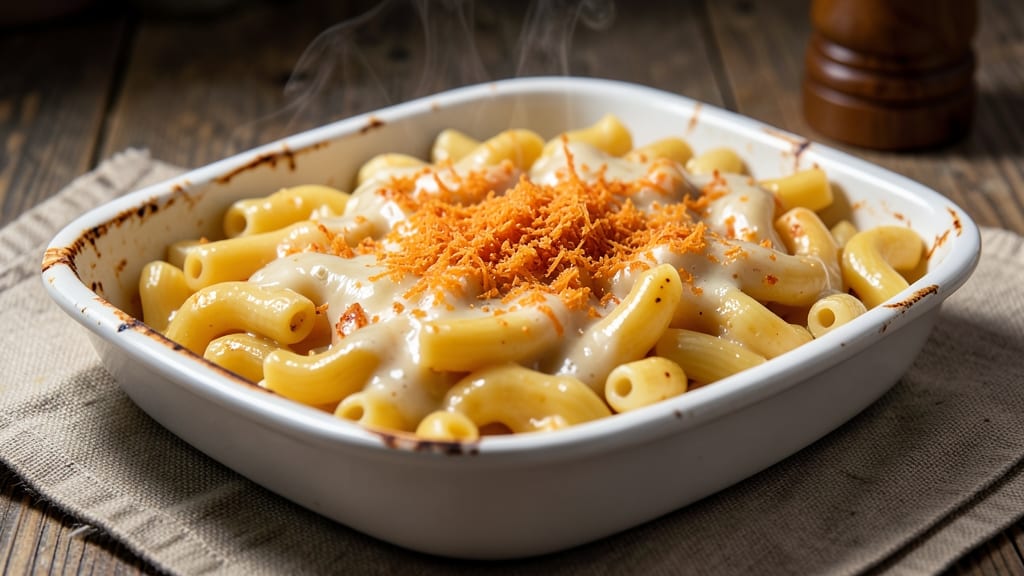
This basic cheese sauce recipe for mac and cheese delivers that creamy, velvety texture without a single lump—no fancy techniques required. The secret lies in proper layering: butter, flour, and milk create a smooth base before adding cheese, ensuring a sauce that coats every noodle perfectly.
I’ve perfected this version over years of testing, and it’s the foundation for restaurant-quality mac and cheese at home.
The process is straightforward but precise: melt butter, whisk in flour to form a roux, then gradually add warm milk while stirring constantly. This slow incorporation prevents lumps, while shredded cheese melts into a rich, golden sauce.
The key is patience—rushing leads to clumps, but taking your time guarantees a sauce so smooth it’ll make you question why you ever bought powdered versions.
Once you’ve achieved that perfect, silky consistency, you’ll have a sauce that’s versatile enough for more than just mac and cheese. Use it as a topping for baked potatoes, a dip for veggies, or even a creamy pasta sauce.
The best part? It reheats beautifully and freezes well, so you can make a big batch and store it for up to three months without sacrificing texture.
This recipe isn’t just about the sauce—it’s about confidence. No more scraping burned cheese off the bottom of the pot or dealing with grainy, uneven mixtures.
With just five simple ingredients and a few minutes of your time, you’ll have a sauce that’s foolproof, flavorful, and worthy of any dinner table. Let’s get started on mastering it.
Ingredients for basic cheese sauce recipe for mac and cheese
Five simple ingredients transform into velvety, lump-free cheese sauce perfect for mac and cheese.
| Ingredient | Amount | Notes |
|---|---|---|
| Unsalted Butter 🧈 | ½ cup | Cut into small pieces for even melting |
| All-Purpose Flour 🌾 | ½ cup | Sifted for smooth texture |
| Whole Milk 🥛 | 2 cups | Warmed to room temperature |
| Sharp Cheddar Cheese 🧀 | 1 ½ cups | Shredded on medium grate |
| Medium Cheddar Cheese 🧀 | 1 cup | Shredded on medium grate |
| Salt 🧂 | ½ tsp | Kosher or sea salt preferred |
| Black Pepper 🌶️ | ¼ tsp | Freshly ground for best flavor |
| Garlic Powder 🧄 | ¼ tsp | For subtle depth of flavor |
| Mustard Powder 🌶️ | ⅛ tsp | Optional for tangy kick |
The butter and flour are your foundation—don’t rush the roux. European-style butter from Land O’Lakes or Plugrá melts beautifully, but any good-quality unsalted butter works. I always sift the flour to avoid lumps, and Bob’s Red Mill all-purpose is my go-to for smooth results. The milk? Warm it just enough to feel slightly toasty—cold milk creates clumps. Organic Valley or Great Value both work perfectly. For cheese, Kraft sharp cheddar is reliable, but Cabot or Tillamook add richer flavor. Grab a box of each—you’ll want both sharp and medium for that perfect balance.
No sharp cheddar? Extra sharp cheddar at half the amount works in a pinch. Dairy-free? Swap milk for unsweetened almond milk and butter for vegan butter. The mustard powder is optional but adds a nice tang—skip it if you prefer classic cheddar flavor. For extra richness, add 1/4 cup sour cream at the end. The roux needs to be cooked for 2-3 minutes until bubbly but not browned—this is where patience pays off. If you accidentally brown it, just whisk in a splash of milk to reset.
This sauce reheats beautifully—just add a splash of milk if it thickens too much. Keeps for 5-6 days in the fridge, or 3 months frozen. I always double the batch and freeze half for lazy weeknights. For serving, drizzle over hot mac and cheese, use as a dip for veggies, or even as a creamy pasta sauce. The leftovers? Perfect for baked potato topping or grilled cheese sandwiches. Store in airtight containers to keep it fresh.
Why You'll Love This Recipe
- Five-Ingredient Magic: I swear, this sauce comes together with just butter, flour, milk, and two cheddars—no weird additives or fancy techniques. The sharp cheddar adds that tangy punch while the medium keeps it smooth, and honestly? That’s all you need for a sauce that feels like a hug.
- Creamy Without the Fuss: No whisking until your arm falls off—just melt the butter, toss in the flour, and let the milk simmer until it’s thick enough to coat a spoon. Between us, that’s the kind of recipe I can make while scrolling through my phone (or pretending to work).
- Leftover Goldmine: This sauce reheats like a dream—no graininess, no separation—so it’s my go-to for meal prep. Pack it with pasta for lunches all week, or drizzle it over baked potatoes when you’re too tired to cook.
- Budget Comfort Food: Sharp cheddar’s on sale at my grocery store, and this recipe stretches a block of cheese across multiple meals without breaking the bank. Plus, the butter and flour are pantry staples, so you’re not hunting for obscure ingredients.
Step-by-step instructions for velvety cheese sauce
Here's how to make a perfectly smooth cheese sauce every time—no lumps, no stress.
Melt Butter Over Medium Heat
Place a medium saucepan over medium heat and add the 0.5 cup unsalted butter cut into small pieces. Let it melt completely, stirring occasionally with a wooden spoon. You'll know it's ready when the butter foams and turns golden—this usually takes about 2-3 minutes.
This slow melt prevents burning and ensures even distribution of the butter throughout the sauce. If you rush this step, you'll end up with a greasy sauce instead of a rich, velvety base. Keep an eye on it and remove from heat if it starts to brown too quickly.
Whisk in Flour to Form a Roux
Reduce the heat to low and sprinkle in the 0.5 cup all-purpose flour all at once. Immediately begin whisking vigorously to prevent any flour from settling at the bottom. Cook for 1-2 minutes until the mixture turns a light golden color and smells nutty.
This step is crucial—it creates the roux that will thicken your sauce. If you see any brown spots forming, reduce the heat further or remove the pan from the heat for a moment. The goal is a smooth, paste-like consistency without any raw flour taste.
Gradually Add Warm Milk
Slowly pour in the 2 cups warm whole milk while whisking constantly. Add it gradually—about ¼ cup at a time—to prevent lumps from forming. Once all the milk is incorporated, increase the heat to medium-low and continue whisking for 3-5 minutes until the mixture thickens and coats the back of a spoon.
The milk should be warm but not hot—this helps the flour fully incorporate without developing a starchy taste. If you see any lumps, immediately whisk them out or strain the sauce through a fine-mesh sieve. This is where most beginners go wrong—patience is key!
Incorporate Cheeses and Seasonings
Remove the saucepan from heat and begin stirring in the 1.5 cups sharp cheddar cheese and 1 cup medium cheddar cheese using a rubber spatula. Add the 0.5 tsp salt, 0.25 tsp black pepper, 0.25 tsp garlic powder, and 0.125 tsp mustard powder as well. Stir until the cheeses are fully melted and the sauce is completely smooth.
If the sauce is too thick, thin it with a splash of warm milk. If it's too thin, let it simmer uncovered for another minute or two. The mustard powder adds a subtle tang that balances the richness, while the garlic powder gives it depth. Taste and adjust seasoning if needed—this is your chance to make it perfect!
Keep Sauce Warm and Smooth
Return the sauce to low heat and stir occasionally for 2-3 minutes to keep it warm. If you're not using it immediately, cover the saucepan with a lid and set it aside. When ready to use, give it a quick stir—it should be silky and lump-free.
This sauce is best used immediately for mac and cheese, but it can be reheated gently on the stovetop if needed. The key is to keep it moving and avoid high heat, which can cause separation. Serve it over your cooked pasta and enjoy that perfect, velvety texture you worked so hard to achieve!
Pro Tips For Making Basic Cheese Sauce Recipe For Mac And Cheese
- STIR CONSTANTLY AT FIRST: The first 2 minutes after adding milk to the roux are when lumps form fastest—ignore them, and you’re stuck scraping them out later. Use a wooden spoon and keep it moving; if you walk away even for 30 seconds, you’ll regret it.
- GRATE CHEESE FRESH: Pre-shredded cheese has anti-caking agents that make the sauce grainy, no matter how much you strain it. Buy blocks, grate them yourself, and store the extra in the freezer—it’s worth the 2 minutes.
- LOW AND SLOW AFTER BOIL: Once the sauce thickens, drop the heat to a simmer and let it cook uncovered for 5-7 minutes. Rushing it on high heat burns the milk flavor and makes the sauce taste flat.
- SALT THE BUTTER: Unsalted butter needs seasoning early—sprinkle ¼ teaspoon salt right into the melted butter before adding flour. You’ll save yourself from guessing later and over-salting the whole dish.
Storing and reheating your basic cheese sauce recipe for mac and cheese
Fridge Storage Tips
Let your cheese sauce cool completely before transferring it to an airtight container—I use glass Pyrex with snap-on lids for best results. Store it in the refrigerator at 40°F or below for up to 5-6 days.
The sauce actually improves in flavor as it sits, with the spices melding together beautifully. Just give it a quick stir before reheating to restore that silky texture. ❄️
Freezer-Friendly Secrets
This sauce freezes like a dream for up to 3 months without losing its velvety consistency. I recommend using quart-sized freezer bags—they’re space-efficient and thaw faster than containers.
Leave 1 inch of headspace to prevent expansion cracks, and squeeze out excess air to avoid freezer burn. Label with the date so you can track freshness. 🧊
Stovetop Reheating
My preferred method for reheating is gentle stovetop warming. Pour the sauce into a saucepan over low heat and stir frequently with a rubber spatula. If it thickens too much, add 1-2 tablespoons of warm milk to restore the perfect consistency.
Keep the heat at medium-low to prevent curdling—this sauce should never boil. Stir for 3-5 minutes until completely smooth. 🔥
Microwave Shortcuts
For quick meals, microwave reheating works in a pinch. Transfer the sauce to a microwave-safe bowl and heat on 50% power in 30-second intervals, stirring between each interval. Most sauces need 1-2 minutes total to reach 165°F.
Add a splash of milk if it separates, and whisk vigorously to re-emulsify. This method is fastest but requires more attention to avoid clumping. ⚡
Reviving Thickened Sauce
If your sauce thickens too much after storage, don’t panic! Simply whisk in 1-2 tablespoons of warm milk or beef broth while reheating. For extra richness, stir in 1 tablespoon of butter to restore that creamy mouthfeel.
The key is patience—never use high heat, as it can cause the sauce to separate or develop a grainy texture. A few minutes of gentle warmth will bring it back to perfection. 💫
Freezing Leftovers
When freezing extra sauce, portion it into smaller containers (like ½-cup portions) for easy thawing. Place the containers in the freezer, then transfer them to the fridge to thaw overnight. This gradual thawing prevents texture changes.
Once thawed, reheat as directed—your sauce will be just as smooth as the day you made it. Double batches are my secret weapon for lazy weeknights! 📅
Nutrition facts
Frequently asked questions
Can I make this cheese sauce without butter?
Yes, you can substitute butter with vegetable oil or vegan butter for a dairy-free version. Use the same amount (0.5 cup) and follow the same cooking process. The sauce will still thicken properly, though it may have a slightly different texture. For extra richness, add 1 tablespoon of nutritional yeast when incorporating the cheeses.
Why did my cheese sauce get grainy?
Graininess usually happens when cheese doesn't melt completely or when the sauce is heated too quickly. To fix it, remove the pan from heat and whisk in 1 tablespoon of warm milk or cream while stirring vigorously. If needed, strain the sauce through a fine-mesh sieve for ultra-smooth results. Always keep heat at low-medium when adding cheese to prevent clumping.
What's the best way to add extra flavor?
For deeper flavor, try adding 1/4 teaspoon of smoked paprika or 1/2 teaspoon of onion powder when incorporating the seasonings. You can also stir in 1/4 cup of cream cheese for extra creaminess, or a pinch of cayenne pepper for a subtle kick. The key is to add these at the end when the sauce is off heat to preserve their flavors.
Can I make this sauce ahead of time?
This sauce actually tastes better when made ahead. Store it in an airtight container in the fridge for up to 5-6 days or freeze it for 3 months. When reheating, use low heat and add a splash of milk if it thickens too much. The flavors meld beautifully over time, making it perfect for meal prep.
What if I don't have sharp cheddar?
No problem! Use extra sharp cheddar at half the amount (0.75 cup) or substitute with monterey jack or colby jack for a milder flavor. For a vegetarian option, try nutritional yeast (2 tablespoons) mixed with vegan cheese. The sauce will still be creamy, though the taste will differ slightly from traditional cheddar.