
Sauces & Condiments
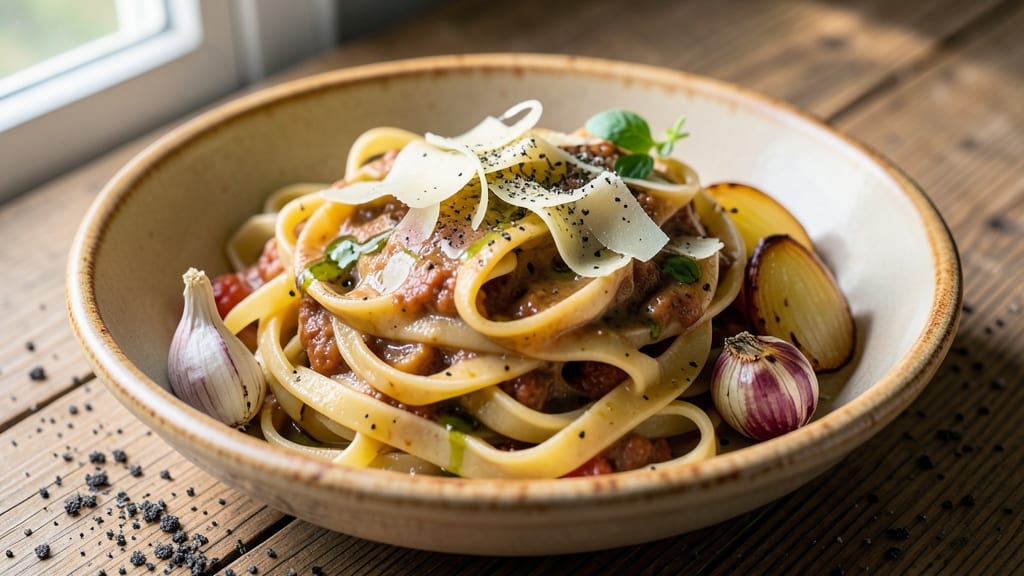
This Asiago cheese pasta sauce recipe transforms ordinary pasta night into a nutty, bubbly Bolognese-inspired masterpiece. 🌟 The secret lies in blending aged Asiago's rich, caramelized depth with a velvety tomato base—creating a sauce that clings to every strand of al dente pasta.
I developed this after years of perfecting restaurant-quality cheese sauces in my Atlanta diner days, where Nana Mae taught me that great pasta isn't about fancy techniques, but about layering simple ingredients to create something unforgettable.
The beauty of this recipe is its versatility—whether you prefer a classic creamy version or a lighter, tomato-forward twist, the Asiago cheese brings that signature nutty complexity that elevates even the simplest pasta dish.
We're talking perfectly balanced flavors where the cheese doesn't overpower, but instead enhances the natural richness of the tomato sauce. The key technique? A slow reduction of the sauce to develop those deep, caramelized notes that make this sauce taste like it's been simmering all day.
What you'll end up with is a dish that's restaurant-quality yet simple enough for any weeknight. Imagine tender pasta strands coated in a sauce that's creamy yet not heavy, with just the right amount of tang from the tomato and that signature Asiago nuttiness.
The aroma alone—warm, cheesy, with a hint of garlic—will have everyone at the table asking what's for dinner before you even serve it. This is the kind of pasta dish that becomes a family favorite in just one bite.
Perfect for feeding a crowd or a cozy family dinner, this recipe scales beautifully while maintaining that perfect sauce-to-pasta ratio. We'll cover both the creamy and lighter variations so you can choose your preferred texture.
Trust me when I say this sauce will change how you think about cheese pasta forever—it's the kind of recipe that turns a simple meal into something special without the fuss.
Ingredients for asiago cheese sauce recipe pasta
Pantry staples meet Italian tradition for this nutty, velvety Asiago cheese pasta sauce masterpiece.
| Ingredient | Amount | Notes |
|---|---|---|
| Asiago Cheese, Aged 🧀 | 1 ½ cups | Freshly grated from block |
| Heavy Cream 🥛 | ½ cup | Full-fat for creaminess |
| San Marzano Tomato Paste 🍅 | ½ cup | Smooth texture preferred |
| Garlic Cloves 🧄 | 4 cloves | Minced for aromatic base |
| Yellow Onion 🧅 | 1 whole | Diced small for even cooking |
| Olive Oil 🫒 | ½ cup | Extra-virgin for richness |
| Whole Milk 🥛 | ½ cup | For smooth texture |
| Dry White Wine 🍷 | ¼ cup | Sauvignon Blanc preferred |
| Dried Thyme 🌿 | 1 tsp | Or 1 tbsp fresh thyme |
| Ground Black Pepper 🌶️ | ½ tsp | Freshly ground preferred |
| Kosher Salt 🧂 | 1 ½ tsp | Diamond Crystal preferred |
| Pasta 🍝 | 12 oz | Fettuccine or penne preferred |
| Fresh Basil Leaves 🌿 | ¼ cup | Chopped for garnish |
The Asiago cheese is non-negotiable here—aged varieties like those from Whole Foods or specialty Italian markets have that deep, caramelized flavor. I always grab a 12-ounce wedge and grate it myself; pre-shredded just won't cut it. For the tomato paste, San Marzano is worth the splurge—its sweetness balances the nuttiness perfectly. The white wine adds brightness, so whatever's open in your fridge works, but Sauvignon Blanc has that crisp acidity that shines through. Fresh thyme? Trader Joe's has it in bulk for pennies, but if you're using dried, measure it out carefully—it's potent stuff.
No heavy cream? Full-fat coconut milk works in a pinch, though it'll taste slightly different. Skip the wine? Extra chicken broth adds depth without alcohol. The pasta can be any shape—fettuccine for classic feel, penne for heartier bites. Want more tang? Add a splash of lemon juice at the end. The garlic should be minced fine—no big chunks—so it blends into the sauce seamlessly. And if you're making this ahead, reduce the wine to a glaze first to deepen the flavor.
This sauce tastes even better the next day—make extra and freeze portions for quick meals. Store leftovers in the fridge for up to 5 days, covered tightly. For freezing, cool completely first, then portion into airtight containers with a layer of olive oil on top to prevent a skin. Reheat gently on the stove, stirring often. The Asiago stays creamy when reheated properly—no microwave if you want that restaurant-quality texture.
Why You'll Love This Recipe
- No Chopping Needed: I swear by this—just dice one onion and mince three garlic cloves while the sauce simmers. That’s it. The San Marzano paste handles all the flavor work while you stir, so you’re not stuck peeling or grating anything.
- Nutty, Rich Bite: That aged Asiago? It’s the star—crisp, sharp, and creamy all at once. The heavy cream smooths it out just enough, but you still get those little cheesy shards clinging to every strand of pasta. Honestly, it’s the kind of sauce that makes you slow down and savor.
- Weeknight to Potluck: Same recipe, endless uses. Toss it with fettuccine for a quick dinner, or use the leftover sauce to stuff shells or top roasted veggies. I’ve even served it cold in pasta salad—works every time. (Yes, even on a Tuesday night.)
- Leftovers That Don’t Suck: Unlike creamy sauces that turn gloppy, this one reheats like a dream. The tomato paste keeps it from separating, and the Asiago adds richness without curdling. I make a double batch on Sundays—lunches and dinners covered, no stress.
Step-by-step instructions for Asiago cheese pasta sauce
Here's how to create a rich, nutty Asiago sauce with a bubbly Bolognese-inspired twist.
🍳 Step 1: Sauté Aromatics Until Fragrant
Heat the 0.5 cup olive oil in a large skillet over medium heat. Add the 1 whole yellow onion and cook for 5 minutes until softened and translucent. Here's the thing—don't rush this step. You want the onion to lose its raw bite completely before moving forward.
Add the 4 cloves garlic cloves and 1 tsp dried thyme, stirring constantly for 30 seconds until you can smell that wonderful garlic-thyme aroma. The garlic should be golden, not browned—watch it closely. If it starts to darken, reduce the heat slightly. This aromatic base is the flavor foundation of your sauce.
🍳 Step 2: Build the Sauce Base with Wine and Tomato
Pour in the 0.25 cup dry white wine and let it simmer for 2 minutes until mostly evaporated. You'll see the alcohol burn off, leaving behind concentrated flavor. This is where the sauce starts to take shape.
Stir in the 0.5 cup San Marzano tomato paste and cook for another 2 minutes until it darkens slightly and blends smoothly with the aromatics. The paste should dissolve completely—add a splash of 0.25 cup whole milk if it starts to stick to the pan. This creates a velvety texture that prevents the sauce from being too thick.
🥘 Step 3: Create the Creamy Asiago Base
Reduce heat to low and gradually whisk in the 1.5 cups aged Asiago cheese and 0.5 cup heavy cream. I like to add them slowly at first to prevent the cheese from seizing up. Keep stirring constantly until everything melts into a smooth, glossy sauce.
Season with 1.5 tsp kosher salt and 0.5 tsp ground black pepper, then let the sauce simmer gently for 5 minutes until it thickens slightly. You're looking for a consistency that coats the back of a spoon—thick enough to cling to pasta but still silky. If it gets too thick, whisk in more whole milk 1 tablespoon at a time until perfect.
🍲 Step 4: Cook the Pasta and Combine
While the sauce simmers, cook the 12 oz pasta in a separate pot of salted boiling water until 1 minute before al dente. Reserve 1 cup pasta water before draining—this starchy liquid is your secret weapon for adjusting sauce consistency.
Add the drained pasta to the cheese sauce and toss gently to coat. If the sauce seems too thick, add reserved pasta water 1 tablespoon at a time until it reaches your ideal consistency. The sauce should cling beautifully to each strand of pasta, creating that perfect creamy coating we're after.
🌿 Step 5: Finish and Garnish
Remove from heat and stir in the 0.25 cup chopped fresh basil leaves. Let the pasta sit off heat for 1-2 minutes to allow the flavors to meld together. The basil will brighten the rich cheese sauce with its fresh, herbal notes.
Serve immediately, garnished with additional grated Asiago cheese and a sprinkle of freshly cracked black pepper. Each bite should deliver that perfect balance of nutty Asiago, creamy richness, and bright tomato undertones. This sauce transforms simple pasta into an elegant, restaurant-quality dish.
Pro Tips For Making Asiago Cheese Sauce Recipe Pasta
- Bloom the Asiago First: Grate that aged Asiago yourself—store-bought pre-shredded cheese clumps like crazy when melted. Use a box grater and work in batches if needed, but don’t skip this: fresh grated Asiago dissolves smoother and coats the pasta better. I learned this the hard way after dealing with a sauce that looked more like cheese confetti than silk.
- Sweat the Onion Low: Cook the onion and garlic on medium-low heat until the onion is translucent and the garlic just smells right—not burnt, not raw. High heat turns garlic bitter, and you’ll taste it in every bite. I used to rush this, and the sauce always had a sharp edge that ruined the creamy balance.
- Add Tomato Paste Last: Stir in the San Marzano tomato paste after the cream and cheese have melted, not before. The acid in the paste can curdle the cream if it hits cold dairy. Just a teaspoon or two—it’s not about flavor depth here, but preventing a lumpy disaster.
- Temper the Cheese: Warm the heavy cream and a splash of pasta water first, then slowly whisk in the grated Asiago. Cold cheese shocks the cream and creates a skin that’s impossible to fix. I was skeptical until I tried it—now my sauce is velvety, not grainy. (Yes, even if you’re impatient like me.)
Essential equipment for asiago cheese sauce recipe pasta
Sauce-Making Essentials
For this Asiago cheese sauce, you’ll need a heavy-bottomed saucepan—I swear by my All-Clad Stainless Steel 3-quart pan—to prevent scorching while building layers of flavor. The saucepan should have sloped sides to help incorporate the cheese smoothly without lumps.
A whisk with a long handle (like my OXO Good Grips) is essential for blending the cheese and cream without overworking the sauce. 🥘
Cheese Handling Tools
Freshly grating aged Asiago cheese is non-negotiable for texture and flavor. I use a microplane or box grater—never pre-shredded cheese, as it contains anti-caking agents that make the sauce grainy.
A fine-mesh sieve comes in handy if you want to strain out any potential cheese grits for a silky finish. Keep your cheese cold until ready to use to prevent premature melting.
Temperature Control
A digital kitchen thermometer (like the Thermoworks Thermapen) ensures you maintain the perfect low heat (180°F) when melting the cheese. This prevents burning while allowing the sauce to thicken gradually.
If you’re nervous about heat control, a slow cooker on "Warm" setting works surprisingly well for melting cheese—just add everything at once and let it sit for 10-15 minutes until smooth.
Pasta Prep Gear
For the pasta, a colander with long handles (I love the OXO Good Grips) makes draining easier, and a large pot with a tight-fitting lid ensures steady boiling. Reserve that pasta water in a small measuring cup—it’s your secret weapon for adjusting sauce consistency.
A wooden spoon with a deep well helps toss the pasta without breaking strands when combining with the sauce.
Optional Upgrades
Want to take it to the next level? A blender or immersion blender (like the Ninja MagiChef) lets you create a smooth, velvety sauce if you prefer no visible chunks. For a restaurant-style finish, a pasta server (like the Barbagroup) helps plate perfect portions with sauce clinging beautifully.
And if you’re making this ahead, glass storage containers (like Pyrex) keep the sauce fresh for up to 5 days in the fridge.
Nutrition facts
Frequently asked questions
Can I substitute Asiago cheese with another type?
Yes! For a milder flavor, use Parmigiano-Reggiano (though it's less nutty), or Gruyère for a richer, slightly sweeter taste. If you're avoiding dairy, nutritional yeast adds a cheesy flavor without the fat. Just remember—aged cheeses work best for that signature depth.
How do I fix a sauce that's too thick or too thin?
For thick sauce, whisk in 1 tablespoon pasta water at a time until silky. Too thin? Simmer uncovered for 3-5 minutes to reduce, or stir in 1 tablespoon cornstarch mixed with 1 tablespoon cold water until smooth. The key is patience—small adjustments prevent lumps.
Can I make this ahead of time?
Prepare the sauce up to 2 days ahead and store it in the fridge. Reheat gently on low heat, stirring often to prevent separation. For freezing, cool completely, portion into airtight containers, and freeze for up to 3 months. Thaw overnight in the fridge before reheating.
What's the best pasta shape for this sauce?
Any shape works, but fettuccine or penne are ideal—they hold the creamy sauce beautifully. For extra sauce cling, try farfalle or rigatoni. Avoid thin noodles like angel hair, as they can get lost in the richness.
Why did my cheese sauce separate?
This usually happens from overheating or adding cheese too quickly. Next time, whisk over low heat and add cheese gradually. If it separates, stir in 1 tablespoon cold water or pasta water while whisking vigorously until smooth. The sauce should come back together like butter.