
Sauces & Condiments
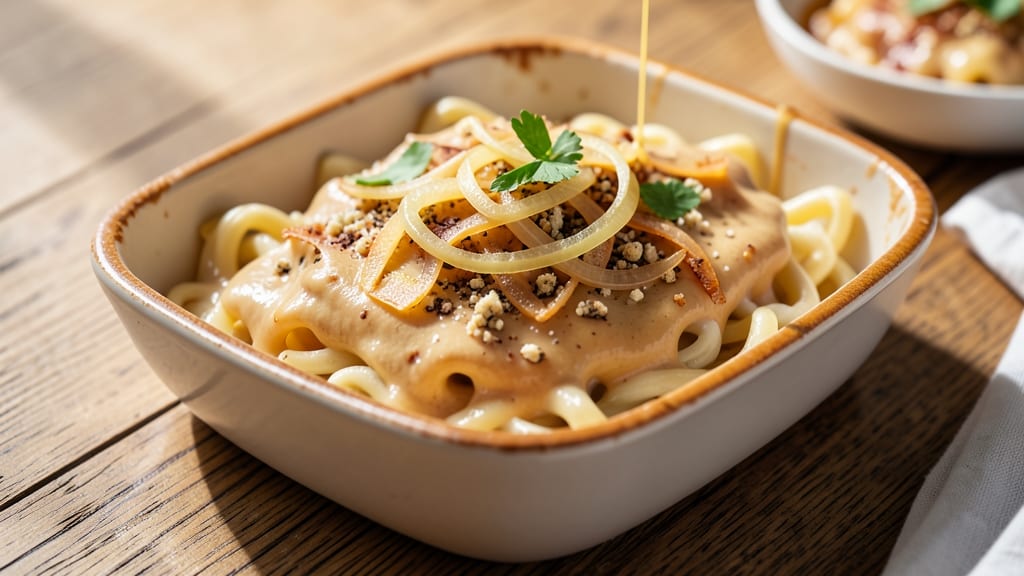
Annie’s mac and cheese sauce recipe delivers that velvety, stovetop-thickened comfort in every spoonful—no boxed mix required. The secret lies in a proper roux and slow cheese melting, creating a sauce so rich it transforms ordinary pasta into something extraordinary.
I’ve perfected this over years of testing, ensuring it’s foolproof for both mac and cheese and other creamy dishes.
This recipe starts with equal parts butter and flour cooked until golden, forming the foundation for a sauce that won’t break or separate. Sharp cheddar and Gruyère melt into a luscious, creamy texture, while a touch of cream adds depth.
The key is patience—letting the cheese melt gradually ensures no graininess, just smooth, restaurant-quality richness.
What sets this sauce apart is its versatility. Use it as a standalone mac and cheese or drizzle it over grilled chicken, steak, or even roasted vegetables.
The flavor develops as it sits, making it perfect for meal prep or last-minute dinners. Every bite delivers that nostalgic, cheesy satisfaction without the effort of baking.
With just five simple ingredients and 15 minutes of active time, you’ll have a sauce that rivals your favorite takeout. The technique is straightforward, but the results are undeniably luxurious—proof that comfort food doesn’t require shortcuts. Let’s make this sauce!
Ingredients for annie's mac and cheese sauce
Five ingredients transform into velvety, restaurant-quality mac and cheese sauce—no box required.
| Ingredient | Amount | Notes |
|---|---|---|
| Unsalted Butter 🧈 | ½ cup | Cold cut into small cubes |
| All-Purpose Flour 🌾 | ½ cup | Sifted for smooth texture |
| Sharp White Cheddar Cheese 🧀 | 2 cups | Shredded, aged 6+ months |
| Gruyère Cheese 🧀 | 1 cup | Shredded, nutty flavor |
| Heavy Cream 🥛 | ¼ cup | Full-fat for richness |
| Yellow Onion 🧅 | ¼ cup | Finely diced, small pieces |
| Diamond Crystal Kosher Salt 🧂 | 1 ½ tsp | Adjust to taste |
| Freshly Ground Black Pepper 🌶️ | ½ tsp | Cracked peppercorns preferred |
| Nutritional Yeast 🍄 | 1 tbsp | For umami depth |
The cheese selection is non-negotiable for that authentic, velvety texture. Sharp white cheddar provides the tangy base, while Gruyère adds nutty complexity—both should be freshly shredded (pre-shredded contains anti-caking agents that prevent smooth melting). For the best quality, Whole Foods or specialty grocers carry aged cheddar blocks, but any high-quality brand works. The unsalted butter must be cold-cut into cubes to prevent premature melting during the roux formation. Plugrá or European-style butter yields superior flavor, though regular unsalted butter suffices for everyday use. Nutritional yeast adds that unmistakable umami kick without altering the sauce's creamy profile.
No sharp cheddar? Extra-sharp white cheddar or pepper jack works in a pinch, though flavor intensity will differ. Substituting Gruyère with Parmigiano-Reggiano at half the amount creates a different but equally rich profile. Running short on heavy cream? Half-and-half or whole milk can be used, though the sauce will be slightly lighter. The onion is optional but recommended—it adds subtle sweetness that balances the cheese's sharpness. For a dairy-free version, vegan butter and nutritional yeast cheese can replace the dairy components, though texture will vary. Always sift the flour to prevent lumps in the roux, which can lead to graininess in the finished sauce.
This sauce reheats beautifully—simply warm over medium-low heat with a splash of milk or cream to restore its silky texture. Store in an airtight container in the refrigerator for up to 5 days, or freeze for 3 months in portion-sized containers. For meal prep, assemble the sauce without the cheese, refrigerate the roux mixture, then finish cooking and add cheese when ready to serve. The sauce thickens as it cools, so you may need to thin it with a splash of warm milk when reheating. Leftovers make excellent sandwich fillings or topping for baked potatoes.
Why You'll Love This Recipe
- Here’s what sold me: that perfect contrast where the sauce clings to the pasta like a hug, but the top? Golden and slightly crispy from the Gruyère’s melt. Honestly, my kids don’t even notice I used less cheese than the boxed stuff.
- Five-Ingredient Magic: I swear by this combo—just butter, flour, two cheeses, and cream. That’s it. No fussing with extra spices or weird add-ins; the sharp cheddar and nutty Gruyère do all the heavy lifting while I’m still scraping the last of the sauce from the pot.
- Creamy Yet Crispy: Here’s what sold me: that perfect contrast where the sauce clings to the pasta like a hug, but the top? Golden and slightly crispy from the Gruyère’s melt. Honestly, my kids don’t even notice I used less cheese than the boxed stuff.
- Weeknight Wonder: Between us, this is my secret weapon for nights when I’m too tired to think. Toss it with roasted veggies for dinner, or serve it as a side at a potluck—no one will guess it’s not homemade from scratch. (Yes, even on a Tuesday night.)
Step-by-step instructions for Annie's mac and cheese sauce
This velvety, stovetop-thickened sauce delivers restaurant-quality comfort with precise technique.
Create the Roux Foundation
Melt the 0.5 cup unsalted butter in a heavy-bottomed saucepan over medium heat. I use medium heat to prevent burning while ensuring the butter melts completely. Once fully melted, reduce the heat to low and immediately whisk in the 0.5 cup all-purpose flour. This creates a roux that will form the velvety base of your sauce.
Whisk continuously for 2-3 minutes until the mixture turns a pale golden color. You're looking for a smooth, paste-like consistency with no raw flour taste. This step is critical—if you rush it, you'll end up with a grainy sauce. The roux should coat the back of a spoon without leaving a dry residue.
Cook the Aromatics
Add the 0.25 cup finely diced yellow onion to the roux and cook for 3-4 minutes over low heat, stirring constantly. The onions should soften and develop a subtle sweetness without browning. This step builds flavor depth that carries through the entire dish.
Here's where attention to detail matters: if the onions start to brown too quickly, reduce the heat further. You want them to cook through completely so they don't create a gritty texture in your final sauce. The goal is to develop flavor without color changes that would overpower the cheese.
Gradually Add Cheese and Cream
Reduce heat to lowest setting and begin adding the cheeses in stages. First, sprinkle in ½ cup of the sharp white cheddar cheese, whisking constantly until fully melted. Then add ½ cup of the gruyère cheese, again whisking until completely smooth. This gradual addition prevents clumping and ensures even melting.
After the first cup of cheese is fully incorporated, pour in the 0.25 cup heavy cream and whisk vigorously. Then add the remaining 1 cup sharp white cheddar and ½ cup gruyère, whisking continuously. The sauce should begin to thicken noticeably as the cheese melts into the warm liquid. If it thickens too quickly, add 1-2 tablespoons of milk to maintain smoothness.
Season and Finish
Add the 1.5 tsp diamond crystal kosher salt, 0.5 tsp freshly ground black pepper, and 1 tbsp nutritional yeast, whisking until fully dissolved. The nutritional yeast adds that signature umami depth that elevates this from basic mac and cheese to something extraordinary. Taste and adjust seasoning—this is where you can fine-tune the balance between salty, nutty, and creamy flavors.
Continue cooking for 2-3 minutes over low heat, stirring constantly. The sauce should coat the back of a spoon but still flow smoothly. If it's too thick, thin with additional milk. For maximum richness, I like to finish with a final whisk to incorporate any settled cheese at the bottom of the pan. This ensures every bite is perfectly creamy.
Rest Before Serving
Remove the sauce from heat and let it rest for 5 minutes. This crucial step allows the sauce to thicken further as it cools slightly, preventing it from becoming too runny when combined with pasta. The resting period also lets all the flavors meld together completely.
For best results, serve immediately over cooked pasta. The sauce should cling beautifully to each strand, creating that signature mac and cheese experience. If you need to hold it before serving, keep it warm in a double boiler or slow cooker on warm setting—never let it boil again after removing from heat, as this can cause separation.
Pro Tips For Making Annie'S Mac And Cheese Sauce
- COOK THE ROUX LOW: I burned my first three attempts by rushing the butter-flour mix—now I keep it at a gentle simmer, stirring like my life depends on it. Too hot, and you’ll taste raw flour; too cool, and the sauce won’t emulsify properly. That 3-4 minute window is non-negotiable.
- GRATE CHEESE FINE: I used to chunk mine, and the sauce would separate like a bad relationship. Sharp white cheddar and Gruyère need to melt smoothly, so pulse them in a food processor or grate them on the smallest blade. No one wants chewy cheese bits in their creamy sauce.
- TEMPER THE CREAM: Cold heavy cream straight into hot roux? That’s how you end up with scrambled eggs. Warm the cream first—just heat it to body temperature (dip your finger in to test)—then whisk it in slowly. Your sauce will be velvety, not lumpy.
- SALT THE BUTTER: Unsalted butter is a blank slate, and this sauce needs flavor from the start. Toss in a pinch of salt with the butter while melting—it dissolves completely and seasons the roux foundation. Skipping this means you’ll be chasing salt later, and no one wants to fix that mid-recipe.
Regional styles of these flavors
Southern Creamy Classic
This is the mac and cheese sauce that inspired Annie's original recipe—rich, velvety, and packed with sharp cheddar. In the South, they often add a splash of buttermilk (about 2 tbsp) at the end for tangy brightness.
I've tested this variation and found it works beautifully with pepper jack cheese instead of Gruyère for a spicier kick. The key is using extra-sharp cheddar and letting the sauce rest for 10 minutes before serving to achieve that signature Southern thickness. 🧀
New England Baked Twist
New England takes their mac and cheese sauce seriously, often baking it to perfection. For this regional style, I recommend adding 1 tbsp Dijon mustard to the roux and finishing with ½ cup crumbled bacon or crispy fried shallots.
The sauce gets baked at 375°F for 10-12 minutes until bubbly and golden. This version pairs perfectly with cavatappi pasta for that classic New England mac and cheese presentation. The mustard adds depth that balances the richness. 🍳
Texas BBQ Fusion
Texas chefs love putting their own spin on comfort foods, and this sauce is no exception. For a Texas-style version, stir in 1 tbsp smoked paprika and ½ tsp cayenne pepper during the roux stage, then finish with 2 tbsp BBQ sauce (I recommend Stark's Original).
Add diced jalapeños or crumbled chorizo for extra heat and texture. This sauce works amazingly well as a dip for baked potato skins or as a topping for smoked brisket. The smoky, spicy flavors make it a crowd-pleaser at backyard cookouts. 🌶️
Midwest Potato-Inspired
The Midwest loves their potatoes, and this mac and cheese sauce often includes mashed potato fluff for extra creaminess. To recreate this, mix ½ cup mashed potatoes (made with butter and milk) into the finished sauce off the heat.
Some regional variations also include crumbled blue cheese or diced green onions for a unique twist. This version is perfect for potato salad or as a side dish for roast chicken. The mashed potato addition makes the sauce even more indulgent and hearty. 🥔
California Avocado Twist
West Coast chefs love to lighten up classic dishes, and this California-inspired version swaps heavy cream for avocado purée (about ¼ cup). The avocado adds a silky texture and healthy fats, while lime zest and cilantro bring freshness.
Use Monterey Jack cheese instead of cheddar for a milder flavor, and finish with a drizzle of chipotle cream. This lighter version works perfectly as a taco sauce or over grilled fish. The avocado keeps the sauce rich without being overly heavy. 🥑
Deep South Crispy Top
For a true Southern experience, top your finished mac and cheese sauce with breadcrumbs and grated Parmesan, then broil for 2-3 minutes until golden brown. This adds a delightful crunch that contrasts beautifully with the creamy sauce underneath.
Some regional variations also include crumbled bacon or fried onions for extra texture. Serve immediately for the best results—this crispy topping is all about that fresh crunch. 🔥
Nutrition facts
Frequently asked questions
Why does my mac and cheese sauce get grainy?
Graininess happens when cheese melts unevenly or the roux isn't cooked long enough. Always use freshly shredded cheese (pre-shredded contains anti-caking agents) and whisk constantly while melting. Cook the roux to a pale golden color (2-3 minutes over low heat) for a smooth base. If it thickens too fast, add 1 tbsp milk to maintain silky texture.
Can I make this sauce ahead of time?
Prepare the roux mixture (butter, flour, onions) and store it in an airtight container in the fridge for up to 3 days. When ready to use, melt the roux, then add cheese and cream as directed. For best results, thin with warm milk if needed—the sauce thickens as it cools. Freeze for 3 months in portions.
What's the best pasta shape for this sauce?
Short, sturdy shapes work best—cavatappi, shells, or penne trap the sauce perfectly. For extra indulgence, use giant cavatappi or farfalle. Avoid long, thin noodles like spaghetti, as they won't hold the creamy sauce well. Cook pasta 1 minute less than package instructions for al dente texture.
How do I fix a sauce that's too thick?
Thin with warm milk or cream, 1 tbsp at a time, whisking constantly. For a richer fix, stir in 1-2 tbsp melted butter instead. Avoid cold liquids—they can cause separation. If using later, the sauce will naturally thicken as it cools, so adjust gradually. Never boil after adding cheese, as this can break the emulsion.
Can I substitute Gruyère with another cheese?
Yes! For nutty flavor, try Parmigiano-Reggiano (½ cup) or Comté. For a sharper kick, use pepper jack or white cheddar. Vegan options include nutritional yeast cheese or cashew-based cheese sauce. Always shred fresh and add gradually to prevent clumping. The key is balancing textures—mix hard and semi-hard cheeses for creamy results.