
Sauces & Condiments
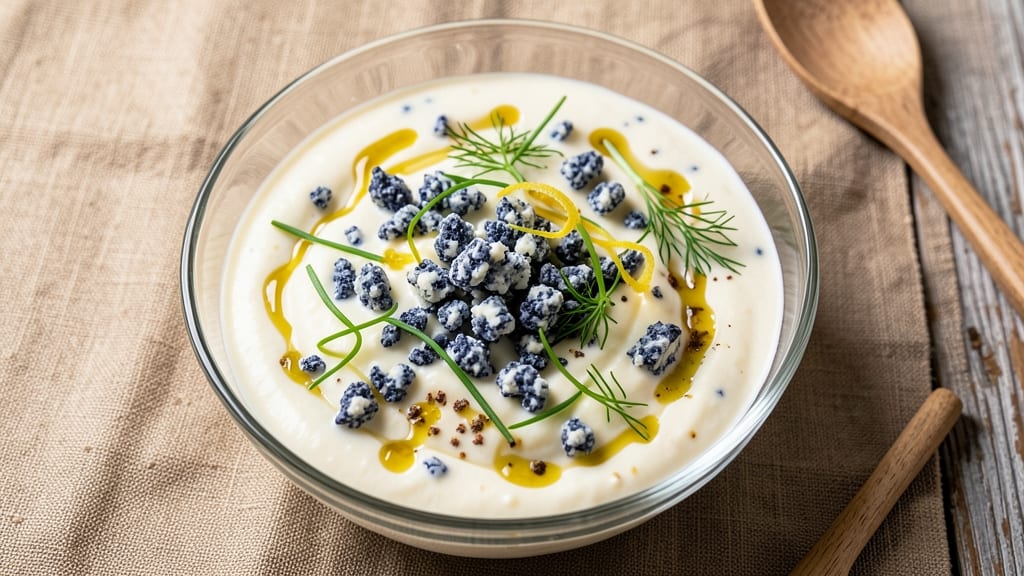
Alton Brown's blue cheese dressing recipe delivers that signature tangy, creamy richness that elevates everything from crispy fried chicken to fresh garden salads. The secret lies in balancing bold blue cheese with buttermilk and sour cream for a velvety texture that clings perfectly. I've adapted this classic technique to ensure it's foolproof—no lumps, no separation, just smooth, restaurant-quality flavor every time.
What sets this dressing apart is the emulsification process, where we gradually incorporate the cheese into the buttermilk base. This method guarantees a silky consistency that stays creamy even after chilling.
The addition of fresh herbs and a touch of honey rounds out the boldness of the blue cheese, creating a dressing that's versatile enough for dips, toppings, or salad dressings.
By the time you're done, you'll have a dressing that's tangy yet balanced, creamy yet light, and packed with that unmistakable blue cheese character. It's the kind of condiment that transforms simple meals into something special—think crispy Brussels sprouts, fried green tomatoes, or a hearty wedge salad.
The best part? It keeps beautifully in the refrigerator for up to a week, so you can make a batch and use it all week long. Let's get started on this crowd-pleasing classic that's sure to become a staple in your kitchen.
Ingredients for alton brown blue cheese dressing
Nine ingredients transform into velvety blue cheese magic—creamy, tangy, and restaurant-worthy.
| Ingredient | Amount | Notes |
|---|---|---|
| Blue Cheese Crumbles 🧀 | 1 cup | Aged blue cheese preferred |
| Buttermilk 🥛 | ¾ cup | Full-fat for creaminess |
| Sour Cream 🧀 | ½ cup | Full-fat preferred |
| Extra-Virgin Olive Oil 🫒 | ½ cup | Light, fruity variety |
| Fresh Chives 🌿 | 2 tbsp | Finely chopped |
| Fresh Dill 🌿 | 1 tbsp | Finely chopped |
| Honey 🍯 | 1 tbsp | Wildflower preferred |
| Apple Cider Vinegar 🍎 | 1 tbsp | For tangy balance |
| Diamond Crystal Kosher Salt 🧂 | ½ tsp | Adjust to taste |
| Freshly Ground Black Pepper 🌶️ | ¼ tsp | For subtle heat |
The blue cheese is non-negotiable here—aged varieties like Maytag Blue or Gorgonzola deliver the most complex flavor. I grab mine from the specialty cheese counter at Whole Foods (their selection is top-notch), but any quality blue cheese crumbles work. The buttermilk and sour cream should be full-fat for that luxurious creaminess. Trader Joe's carries excellent options, or make your own by fermenting cream. Fresh herbs make all the difference—chives and dill add brightness that cuts through the richness, so don't skip them. For the honey, wildflower has the most nuanced flavor, but clover works in a pinch.
No blue cheese? Stilton or Roquefort are the closest substitutes, though the flavor profile shifts slightly. Short on buttermilk? Plain yogurt thinned with milk mimics the tang. The olive oil is crucial—avoid heavy, peppery varieties that overpower the delicate balance. Need to adjust the tang? More vinegar for punch, honey for sweetness. The emulsification process is key—gradually whisking the cheese into the buttermilk base prevents lumps. If you're nervous about separation, add a pinch of mustard powder as an emulsifier (it works like magic).
This dressing keeps beautifully for up to 7 days in the fridge, though I find it tastes best within the first 3. For longer storage, freeze in ice cube trays—thaw overnight in the fridge before using. The emulsified texture holds up well, but give it a quick whisk before serving if it's been chilled. Portion into small jars for easy dipping—perfect for Brussels sprouts, fried green tomatoes, or crispy chicken wings. Make a double batch; you'll want it on everything.
Why You'll Love This Recipe
- Five-Ingredient Magic: I swear, this dressing comes together with zero fuss—just whisk buttermilk, sour cream, and olive oil until smooth, then fold in those tangy blue cheese crumbles. No standing over a stove, no complicated ratios, just done.
- Tangy Without Trying: That first bite of creamy, funky blue cheese cutting through the richness? It’s like a flavor explosion in your mouth. The buttermilk keeps it bright, while the chives add a fresh finish—honestly, it’s the kind of dressing that makes you reach for seconds before the meal even arrives.
- Party in a Jar: Slather it on burgers, toss it with greens, or drizzle it over steak—this stuff works everywhere. I’ve used it for game day wings, as a dip for crudités, and even as a sauce for baked potatoes. Between us, it’s my go-to for any gathering where I don’t want to stress over sides.
- Leftovers That Don’t Let You Down: Make a big batch and store it—it keeps for days in the fridge, and the flavor only gets better. I’ve had it last me a full week, and it’s still rich, still tangy, still exactly as good as the first day. (Yes, even on a Tuesday night.)
Step-by-step instructions for alton Brown's blue cheese dressing
This dressing balances rich blue cheese with bright acidity and herbal freshness—every step matters.
Whisk Together the Base Ingredients
In a medium bowl, combine the 1 cup blue cheese crumbles, 0.75 cup buttermilk, and 0.5 cup sour cream. Use a whisk to blend until smooth, breaking up any large cheese clumps. The buttermilk and sour cream will create a creamy foundation while tempering the blue cheese's intensity. Let this mixture sit at room temperature for 5 minutes—this allows the cheese to soften slightly and blend more easily with the liquids.
I always use aged blue cheese for this recipe because it has a more complex, nutty flavor that stands up to the tangy vinegar and sweet honey. If your blue cheese is particularly salty, you can reduce the 0.5 tsp Diamond Crystal kosher salt slightly, but taste as you go. The texture should be velvety at this stage, with no graininess remaining.
Incorporate the Olive Oil and Vinegar
Slowly drizzle in the 0.5 cup extra-virgin olive oil while continuing to whisk. The oil should emulsify with the cheese mixture, creating a thick, mayonnaise-like consistency. Next, add the 1 tbsp apple cider vinegar and 1 tbsp honey, whisking constantly. The vinegar brightens the dressing with acidity, while the honey rounds out the sharpness of the blue cheese and balances the tang.
This is where the magic happens—whisking vigorously for 1-2 minutes ensures the dressing comes together smoothly. If it starts to separate, add 1 tsp of buttermilk at a time until it recombines. The dressing should now have a thick, pourable consistency, similar to a well-emulsified vinaigrette but with a creamier body.
Fold in the Herbs and Season
Gently fold in the 2 tbsp finely chopped fresh chives and 1 tbsp finely chopped fresh dill using a rubber spatula. The herbs add a fresh, bright note that cuts through the richness of the cheese. Sprinkle in the 0.5 tsp Diamond Crystal kosher salt and 0.25 tsp freshly ground black pepper, then give everything one final stir to distribute the seasoning evenly.
Taste the dressing at this point—it should be tangy, slightly sweet, and herby, with the blue cheese adding a creamy, umami depth. If it needs more acidity, add another ½ tsp of apple cider vinegar; if it needs more sweetness, add ½ tsp of honey. The dressing should be balanced, with no single flavor overpowering the others.
Rest and Adjust for Perfection
Cover the bowl with plastic wrap and let the dressing rest at room temperature for 15-20 minutes. This resting period allows the flavors to meld and the dressing to thicken slightly. After resting, give it one final taste and adjust the seasoning if needed—this is the only way to ensure it’s perfectly balanced.
The dressing is now ready to use. It pairs beautifully with hearty greens like romaine or arugula, grilled meats, or even as a dip for crusty bread. If the dressing thickens too much after resting, thin it with 1-2 tsp of buttermilk or extra-virgin olive oil until it reaches your desired consistency. Store any leftovers in an airtight container in the refrigerator for up to 5 days, shaking gently before use.
Pro Tips For Making Alton Brown Blue Cheese Dressing
- Whisk in Stages: Don’t dump all the blue cheese crumbles at once—they’ll clump like a stubborn toddler refusing to share. Start with half, whisk until smooth, then add the rest. This keeps the texture silky, not grainy.
- Use Cold Buttermilk: Straight from the fridge, buttermilk blends better and won’t curdle when mixed with the sour cream. I learned this the hard way after a batch separated like a bad divorce—now I never skip it.
- Toast the Chives: Give those fresh chives a quick 10-second toss in a dry pan before chopping. They’ll add a nutty depth instead of just a fresh cut. (Yes, even if you’re impatient like me.)
- Salt the Blue Cheese: Most blue cheese crumbles are unsalted—add a pinch of flaky salt (½ tsp) directly to the crumbles before whisking. It balances the tang and makes the dressing pop without overpowering. Trust me, your taste buds will notice.
Common mistakes when making this dish
Over-Whisking the Cheese
I’ve seen so many people over-whisk the blue cheese into the buttermilk, and this is a big mistake. When you whisk too aggressively, you risk creating a dressing that’s grainy rather than silky.
Instead, use a whisking motion that gently incorporates the cheese without breaking it down into tiny, gritty bits. Think of it like folding in soft butter—just enough to blend, not enough to overwork. 🌡️
Skipping the Resting Time
Rushing the 15-20 minute rest at room temperature is another common error. This step lets the dressing emulsify properly and allows the flavors to meld. If you skip it, the dressing might separate or taste uneven.
Trust me, those extra minutes make all the difference in the final texture and taste.
Using Low-Quality Blue Cheese
Not all blue cheese is created equal. Using a cheap, processed variety with artificial flavors can ruin the dressing’s depth. Always opt for aged blue cheese like Maytag Blue or Gorgonzola.
These cheeses have a richer, more complex flavor that stands up to the tangy vinegar and sweet honey. Your local specialty cheese shop or Whole Foods will have great options.
Adding Oil Too Quickly
Drizzling the extra-virgin olive oil too fast is a recipe for separation. The key is to add it slowly while whisking constantly. This gradual incorporation helps the oil emulsify smoothly with the cheese mixture.
If you pour it all in at once, you’ll end up with a dressing that looks like it’s curdling. Patience is key here!
Ignoring the Emulsification Test
Before adding the herbs and seasoning, always do a quick emulsification test. Dip a spoon into the dressing and let it drip back into the bowl. If it slides off smoothly, you’re good to go.
If it clumps or separates, you need to whisk in 1 tsp of buttermilk at a time until it recombines. This step ensures your dressing stays creamy and cohesive.
Over-Salting or Under-Sweetening
Balancing the flavors is crucial. Some people add too much salt, making the dressing harsh, while others skip the honey entirely, leaving it too sharp. Taste as you go! If it’s too salty, thin with a splash of buttermilk.
If it’s too tangy, add a touch more honey. The goal is a harmonious blend of tangy, creamy, and slightly sweet notes.
Nutrition facts
Frequently asked questions
Can I make this dressing without buttermilk?
Yes! Use ½ cup plain yogurt mixed with ¼ cup milk to mimic the tang and creaminess. For extra insurance, whisk in ½ tsp lemon juice to balance the flavor. The texture will be slightly thicker, so thin with 1-2 tsp olive oil if needed.
How do I fix separated dressing?
Whisk in 1 tsp of buttermilk or plain yogurt at a time until smooth. For stubborn separation, add ½ tsp Dijon mustard (it acts as a natural emulsifier) and whisk vigorously. If too thick, thin with 1 tsp olive oil or warm water. Most separation happens when oil is added too quickly—future batches need slower incorporation.
What are the best uses for this dressing?
This versatile dressing shines on crispy Brussels sprouts, fried green tomatoes, or as a dip for warm pita chips. Toss with romaine hearts and grilled chicken for a restaurant-worthy salad, or drizzle over seared scallops for a rich topping. The tangy creaminess also elevates charcuterie boards or crudité platters.
Can I substitute sour cream with something else?
Yes! For a lighter version, use Greek yogurt (same amount). For extra richness, try crème fraîche or mascarpone cheese (reduce by 2 tbsp to match fat content). Avoid low-fat options—they won't emulsify as well. The key is maintaining the dressing's velvety texture, so full-fat dairy works best.
How long will this keep in the fridge?
The dressing stays fresh for up to 5-7 days when stored in an airtight container. For longer storage, freeze in ice cube trays (thaw overnight in the fridge). Before using, whisk gently to recombine. The flavor actually improves after 24 hours as the ingredients meld, but texture may thicken slightly—thin with 1 tsp buttermilk if needed.