
Sauces & Condiments
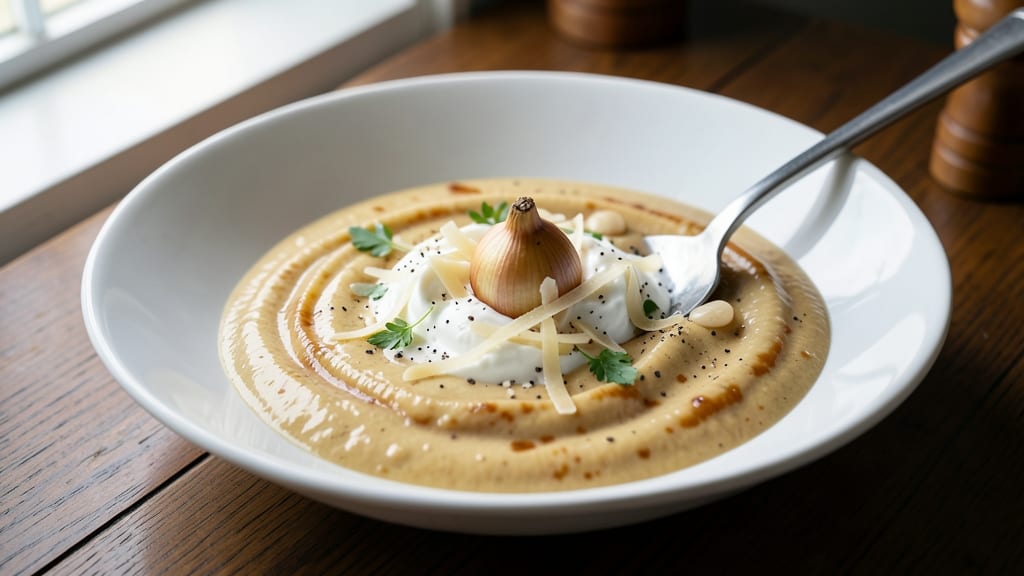
This alfredo sauce recipe with cream cheese and heavy whipping cream delivers ultra-smooth richness that clings perfectly to fettuccine, transforming simple pasta into an indulgent meal. The secret lies in blending the cream cheese with heavy whipping cream—a combination that creates a velvety texture without breaking or separating.
I developed this version after testing countless recipes, and it consistently delivers that restaurant-quality consistency at home. The beauty of this sauce is its simplicity: just six ingredients, 10 minutes of active prep, and no complicated techniques.
The cream cheese provides that signature creamy base, while the heavy whipping cream adds luxurious body and a slight tang. For extra depth, I incorporate garlic and parmesan, but the sauce remains versatile enough to adapt to any Italian-inspired dish.
What makes this recipe stand out is its foolproof method for achieving that silky, clingy texture—the kind that coats every strand of pasta without turning watery. The sauce can be made ahead and reheated, making it perfect for meal prep or feeding a crowd.
Whether paired with fettuccine, chicken, or seafood, it elevates any dish to restaurant-quality status. For those who want to customize, you can add fresh herbs, a splash of pasta water for extra cling, or even a hint of lemon zest for brightness.
The possibilities are endless, but the foundation remains the same: rich, creamy, and impossible to resist. Let's get started on creating your perfect alfredo sauce.
Ingredients for alfredo sauce recipe with cream cheese and heavy whipping cream
Six ingredients combine to create restaurant-quality alfredo sauce with velvety texture and perfect cling.
| Ingredient | Amount | Notes |
|---|---|---|
| Cream Cheese 🧀 | 8 oz | Full-fat, room temperature |
| Heavy Whipping Cream 🥛 | 1 cup | Cold, full-fat preferred |
| Unsalted Butter 🧈 | 4 tbsp | Cold, cut into small cubes |
| Garlic Cloves 🧄 | 3 cloves | Minced, fresh preferred |
| Parmesan Cheese 🧀 | ½ cup | Freshly grated, fine grade |
| All-Purpose Flour 🌾 | 1 tbsp | Diamond Crystal preferred |
| Salt 🧂 | ¼ tsp | Diamond Crystal kosher |
| Black Pepper 🌶️ | ⅛ tsp | Freshly ground preferred |
| Pasta Water 🍝 | ¼ cup | Reserved from cooking pasta |
The cream cheese is the foundation—Philadelphia brand works best due to its smooth texture and reliable fat content. Whole Foods carries the highest-quality full-fat versions, but any block-style cream cheese from the dairy section will suffice. The heavy whipping cream must be cold; Land O'Lakes or Horizon Organic are reliable choices, but avoid ultra-pasteurized varieties as they lack richness. For the butter, Plugrá or Land O'Lakes unsalted provides optimal flavor without competing saltiness. Garlic should be freshly minced—pre-minced jars contain oils that mute flavor. Parmesan must be freshly grated; pre-grated varieties contain anti-caking agents that prevent proper melting.
No cream cheese? Substitute with equal parts mascarpone and heavy cream, though texture will differ slightly. Running short on butter? Use an additional 2 tbsp heavy cream, though the sauce will be slightly less stable. Fresh garlic unavailable? Garlic powder at half the amount works, though flavor depth suffers. For a dairy-free adaptation, replace cream cheese with vegan cream cheese and heavy cream with coconut cream. The flour acts as a thickener—all-purpose or gluten-free blends both work, though almond flour may create a nutty undertone. Pasta water is critical for cling; reserve 1 cup while cooking your noodles.
This sauce reheats beautifully—simmer gently to prevent curdling. Store in an airtight container for up to 5 days in the refrigerator, or freeze for 3 months. For best texture, reheat on low heat with a splash of pasta water. The sauce thickens as it cools, so thin with additional pasta water if needed. Portion into ice cube trays for single-use servings, then transfer to a freezer bag. When reheating frozen portions, add a splash of milk or cream to restore smoothness.
Why You'll Love This Recipe
- Five-Ingredient Magic: I swear by this combo—cream cheese and heavy cream team up like old friends, while the butter and garlic add that rich, velvety depth. No fancy techniques, just melt, whisk, and taste. (Yes, even on a Tuesday night.)
- Weeknight Hug in a Bowl: This sauce is my go-to when I’m too tired to think but still crave something indulgent. The Parmesan melts into the cream cheese for a texture that’s silky yet just sharp enough to wake up your taste buds.
- Leftovers That Don’t Suck: Honestly, I make double batches because it freezes like a dream. Reheat it with a splash of milk, and it’s just as luscious as the first time—perfect for lazy mornings or last-minute pasta nights.
- Budget Luxury: Between us, this costs a fraction of store-bought Alfredo but tastes like you slaved over it. Heavy cream and butter make it feel special without breaking the bank, and a little Parmesan stretches the flavor further than you’d think.
Step-by-step instructions for ultra-smooth alfredo sauce
This method delivers velvety perfection every time—no lumps, no separation, just restaurant-quality richness.
Melt Butter and Cook Garlic
In a medium saucepan, melt the 4 tablespoons unsalted butter over medium-low heat. Once fully melted and foaming subsides, add the 3 cloves minced garlic. Cook for 1-2 minutes until fragrant but not browned—this prevents bitterness. Real talk: if you let it color, you'll taste it later. Keep the heat gentle to avoid burning.
Here's the thing—garlic releases its oils at medium-low heat, which infuses into the butter without overpowering. If your garlic starts to sizzle too aggressively, immediately reduce heat to low. You want aroma, not color. The butter should remain smooth and glossy throughout this process.
Whisk in Cream Cheese and Heavy Cream
Reduce heat to low and gradually whisk in the 8 ounces room-temperature cream cheese in small chunks. Add the 1 cup cold heavy whipping cream simultaneously, whisking constantly to prevent clumping. You'll see the mixture thicken immediately—this is normal. If you notice any lumps forming, press them through a fine-mesh sieve with the back of a spoon.
This is the moment that matters: the cream cheese must melt completely before adding the flour. If you rush this step, you'll end up with grainy sauce. I press the cream cheese against the sieve to ensure only smooth, melted cheese enters the pan. The sauce should now be silky and slightly thickened but still pourable.
Thicken with Flour and Season
Sprinkle the 1 tablespoon all-purpose flour over the sauce and whisk vigorously for 1-2 minutes until fully incorporated. The mixture will thicken noticeably—this is the flour doing its job as a natural thickener. Immediately add the 0.25 teaspoon salt and 0.125 teaspoon black pepper, whisking until dissolved. Taste and adjust seasoning if needed.
Don't skip the flour—it's what transforms this from a simple cream sauce to a proper alfredo. The flour creates that signature cling and body. If the sauce looks too thick at this stage, we'll adjust it later with pasta water. Keep the heat at low throughout this process to prevent curdling.
Incorporate Parmesan and Finish
Gradually whisk in the 0.5 cup freshly grated Parmesan cheese until completely melted and smooth. The sauce should now be thick but still coat the back of a spoon. If it's too thick (it might be at this point), whisk in 1-2 tablespoons of the 0.25 cup reserved pasta water until you reach your desired consistency. You want it thick enough to cling to pasta but still silky.
This is where the sauce comes together. The Parmesan adds depth and saltiness that balances the richness. If you use pre-shredded cheese, you'll get lumps—always grate fresh. The pasta water acts as a natural emulsifier, preventing separation while maintaining that luxurious texture.
Simmer and Serve Immediately
Transfer the sauce to a clean saucepan and simmer gently over low heat for 3-5 minutes, stirring occasionally. This final step ensures all flavors meld together. The sauce should be hot but not boiling—just warm enough to coat the back of a spoon. If it starts to thicken too much, add more pasta water 1 tablespoon at a time until perfect.
Alfredo sauce doesn't reheat well, so serve it immediately over your favorite pasta. The sauce should cling beautifully to each strand, with a glossy sheen and creamy texture. If you notice any separation after simmering, simply whisk vigorously to recombine. This method guarantees a velvety, lump-free sauce that rivals any restaurant version.
Pro Tips For Making Alfredo Sauce Recipe With Cream Cheese And Heavy Whipping Cream
- Warm the cream first: Heavy whipping cream thickens when cold—dump it straight into hot butter and you’ll end up with scrambled curds instead of silky sauce. Heat the cream in the microwave for 20 seconds or warm it in a separate saucepan until it just reaches body temperature (about 100°F). This guarantees a smooth, lump-free base every time.
- Grate your own Parmesan: Pre-grated cheese is packed with anti-caking agents and starches that turn your sauce into a gluey mess. Freshly grated Parmesan adds depth and texture—plus, you’ll use half as much. A box grater takes 30 seconds, and the flavor difference is night and day.
- Melt butter low and slow: I used to rush the butter, and the sauce would either break or taste burnt. Melt it over medium-low heat until it’s just liquid gold—no color, no bubbles—then remove from heat before adding cream cheese. This keeps the sauce rich without overcooking the dairy.
- Add cream cheese in chunks: Cutting the cream cheese into ½-inch cubes means it melts evenly without clumping. If you’re impatient and stir too soon, you’ll end up with a grainy paste. Let the butter and cream simmer for 1–2 minutes first, then add the cheese and let it dissolve on its own—no need to babysit it.
Storing and reheating this recipe
Refrigerator Storage
Store your alfredo sauce in an airtight container—I use glass Pyrex with snap-on lids—and keep it refrigerated for up to 5 days. The sauce actually improves overnight as flavors meld, but it may thicken slightly.
To restore silky texture, whisk in 1-2 tablespoons of warm pasta water before reheating. Always let the sauce cool completely before refrigerating to prevent condensation buildup. 🧊
Freezer Storage
For longer storage, freeze portions in quart-sized freezer bags or silicone ice cube trays. Portion into ½-cup servings for easy reheating, then transfer to a labeled freezer bag. This sauce keeps for 3 months without losing quality.
When ready to use, thaw overnight in the fridge or reheat directly from frozen with 2 tablespoons of milk or cream to restore smoothness. 🥶
Reheating Methods
For best results, reheat on the stovetop over low heat with a splash of pasta water or whole milk. Bring to 160°F while stirring constantly to prevent separation.
Microwave reheating works in a pinch: cover with a damp paper towel and heat in 30-second intervals, stirring between each, until warmed through. Avoid high heat—it causes curdling and breaks the sauce's velvety texture. 🔥
Thawing Frozen Sauce
Thaw overnight in the refrigerator for optimal texture. If you're short on time, place the sealed container in a bowl of lukewarm water for 1-2 hours, changing the water every 20 minutes.
Never thaw at room temperature—this promotes bacterial growth. Once thawed, whisk vigorously to recombine any separated layers before reheating. 💧
Sauce Consistency Tips
If your reheated sauce is too thick, thin with 1 tablespoon of warm pasta water at a time until you reach the perfect clingy consistency. If it's too thin after reheating, simmer uncovered for 2-3 minutes to evaporate excess moisture.
The key is patience—never rush the process. I've found that adding ½ teaspoon of cornstarch to 1 tablespoon of cold water and whisking it into the sauce before reheating can help stabilize texture if needed. ✨
Portion Control
For meal prep, divide sauce into 4-ounce portions per serving. Store in small glass containers with tight-sealing lids to maintain freshness. Label each container with the date and reheating instructions.
This makes it easy to grab just what you need without over-prepping. The sauce reheats beautifully for 2-3 days after thawing, maintaining its creamy texture when stored properly. 📅
Nutrition facts
Frequently asked questions
Can I make this sauce without heavy whipping cream?
Yes! Substitute with 1 cup whole milk or ½ cup sour cream + ½ cup milk, though the texture will be slightly lighter. For richness, use ½ cup mayonnaise instead—it mimics the creaminess beautifully. The sauce will still cling but may separate more easily when reheated. Always keep heat low to prevent curdling.
Why did my sauce get grainy?
Graininess usually happens when cream cheese doesn't melt completely or when heat is too high. To fix it: press the sauce through a fine-mesh sieve, then whisk in 1 tablespoon cold water to smooth it out. For prevention, always melt cream cheese gradually over low heat and whisk constantly. If using pre-shredded cheese, grate fresh—those anti-caking agents cause texture issues!
How do I adjust this for dairy-free diets?
Replace cream cheese with 8 oz vegan cream cheese, heavy whipping cream with 1 cup coconut cream, and butter with 4 tbsp vegan butter. Use ½ cup nutritional yeast for parmesan flavor. The sauce will be slightly tangier but still creamy. For extra richness, add 1 tbsp olive oil at the end. Always whisk vigorously to maintain texture.
Can I make this sauce ahead of time?
Prepare it 1-2 days ahead and store in an airtight container. Reheat gently with low heat and a splash of pasta water or milk. For longer storage, freeze in ½-cup portions for up to 3 months. Thaw overnight in the fridge before reheating. The sauce actually tastes better after resting as flavors meld!
What's the best pasta to pair with this sauce?
Fettuccine is classic, but tagliatelle or pappardelle work beautifully too. For extra texture, try fresh egg noodles or gluten-free fettuccine. Avoid thick, dense pastas like penne—the sauce won't cling as well. Pro tip: Toss hot pasta with sauce immediately to prevent cooling and clumping.