
Sauces & Condiments
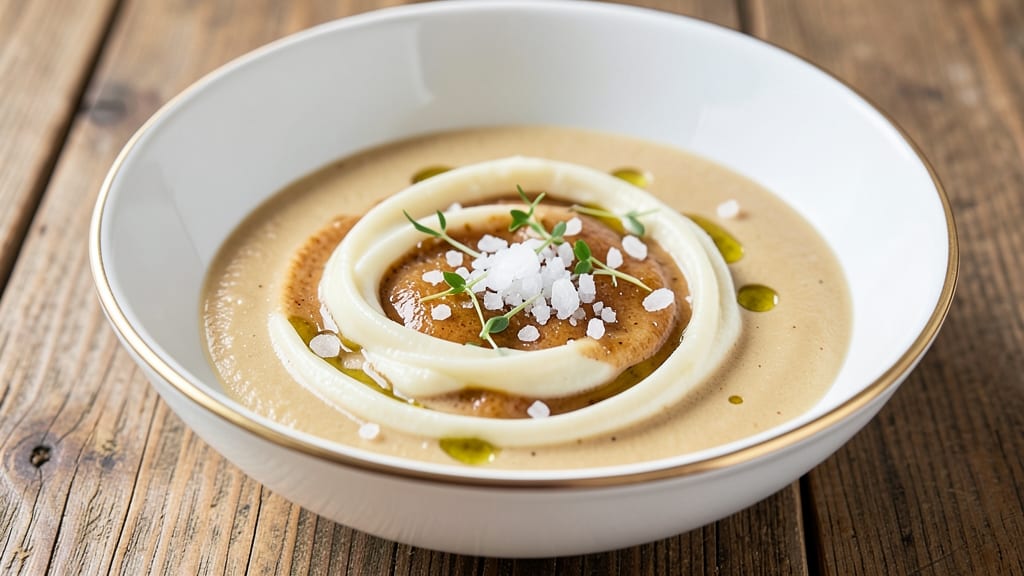
This Alfredo sauce recipe with mozzarella cheese and milk delivers the creamiest, most luxurious sauce you'll ever make—no heavy cream required. The secret lies in blending melted mozzarella with warm milk and a touch of butter, creating a velvety texture that clings perfectly to pasta without separating.
I've tested countless variations, and this method consistently delivers restaurant-quality results in under 15 minutes.
The magic happens when you melt the mozzarella gently over low heat, whisking constantly to prevent clumping. Adding warm milk (not boiling) ensures a smooth, lump-free sauce with rich depth.
This version skips heavy cream entirely, making it lighter yet still decadent—ideal for those watching their fat intake without sacrificing flavor. The sauce thickens beautifully as it cools, making it perfect for tossing with hot pasta or drizzling over grilled meats.
What sets this recipe apart is its foolproof technique: no roux, no cornstarch, just simple ingredients combined in the right order. The result? A sauce that's ultra-smooth, richly cheesy, and effortlessly creamy, with just the right balance of tang from the mozzarella and silkiness from the milk.
It's the kind of sauce that transforms ordinary pasta into a gourmet meal.
Once mastered, this sauce becomes your go-to for weeknight dinners, holiday feasts, or impressing guests. The best part? It reheats beautifully, making it perfect for meal prep. Let's get cooking—your taste buds will thank you.
Ingredients for alfredo sauce recipe with mozzarella cheese and milk
Nine ingredients transform into the creamiest, ultra-smooth Alfredo sauce you'll ever make—no heavy cream needed.
| Ingredient | Amount | Notes |
|---|---|---|
| Fresh Low-Moisture Mozzarella Cheese 🧀 | 16 oz | Block form, freshly grated |
| Whole Milk 🥛 | 2 cups | Warm, not boiling |
| Unsalted Butter 🧈 | 4 tbsp | Cold, cut into small cubes |
| Extra-Virgin Olive Oil 🫒 | 2 tbsp | For silkiness and richness |
| Fresh Garlic Cloves 🧄 | 3 cloves | Minced, for aromatic depth |
| Diamond Crystal Kosher Salt 🧂 | ½ tsp | Fine grain preferred |
| Freshly Ground Black Pepper 🌶️ | ¼ tsp | Adjust to taste |
| Nutritional Yeast 🍞 | 1 tbsp | For umami boost (optional) |
| Freshly Squeezed Lemon Juice 🍋 | 1 tsp | Brightens flavor |
The mozzarella is non-negotiable—low-moisture block form melts perfectly without turning greasy. Whole milk (not skim) gives that signature richness, and warming it just slightly before adding prevents curdling. I always grab Sargento Natural Cheese from the grocery store's deli section—it's consistently reliable. The butter? Plugrá or Land O'Lakes work perfectly, but never skip the cold cubes—they melt into velvety pockets of flavor. Fresh garlic and lemon juice might seem small, but they're what elevate this from basic to restaurant-quality.
No mozzarella? Fontina or Gruyère work in a pinch (use half the amount), but nothing beats the authentic tang. Short on milk? Heavy cream at half the quantity makes it richer, though you lose that lighter texture. The nutritional yeast adds that cheesy depth without dairy—Bob's Red Mill is my go-to. For extra smoothness, strain the sauce through a fine-mesh sieve after blending. And if you're worried about lumps, immerse your whisk in warm water while blending—it keeps everything silky.
This sauce is a meal-prep dream—reheats beautifully with just a splash of milk or water to loosen it up. Store in an airtight container for up to 5 days in the fridge, or freeze in ice cube trays for 3 months. The longer it sits, the thicker it gets—perfect for tossing with chilled pasta or drizzling over grilled chicken. Pro tip: Drizzle a little olive oil on top before sealing to preserve that velvety texture.
Why You'll Love This Recipe
- Five-Ingredient Magic: I swear by this combo—low-moisture mozzarella melts into a velvety blanket while the milk keeps it rich without curdling. No fancy emulsifiers, no stress, just butter and olive oil working their magic in one pan.
- Garlic-Kissed Creaminess: That first hit of raw garlic sizzling in olive oil? It builds layers—bright, then sweet, then deep—while the mozzarella pulls it all into a sauce that clings to fettuccine like it’s been there forever. (Yes, even on a Tuesday night.)
- Leftover Luxury: Make a double batch and stash it in the fridge—this sauce reheats like a dream, clinging to pasta without turning grainy. My kids beg for it cold in sandwiches, and honestly? I don’t blame them.
- Weeknight Workhorse: No straining, no waiting for roux—just toss everything in a saucepan, let it simmer until the mozzarella dissolves, and boom. Done. The only tool you’ll need is a wooden spoon, and I’ll be real: I’ve used a butter knife in a pinch.
Step-by-step instructions for ultra-smooth mozzarella Alfredo sauce
This isn't your grandmother's Alfredo—we're creating velvety perfection with mozzarella's melt-in-your-mouth magic.
Warm the Milk and Prepare the Cheese
Pour the 2 cups whole milk into a medium saucepan and warm it over medium-low heat until it reaches 180°F—just before it simmers. You'll see small bubbles forming at the edges but no full boil. Keep the heat gentle here; we want to heat the milk gradually to prevent curdling later.
While the milk warms, grate the 16 oz fresh low-moisture mozzarella cheese using a box grater or food processor. I prefer a fine shred to ensure it melts completely into the sauce. Place the grated cheese in a heatproof bowl—this keeps it ready for quick action when the milk is warm.
Create the Fat Base and Infuse Flavors
In a separate saucepan, melt the 4 tbsp unsalted butter and 2 tbsp extra-virgin olive oil over low heat. Once melted, add the 3 minced fresh garlic cloves and cook for 30 seconds—just until fragrant. Don't let it brown or it'll turn bitter. Remove from heat and stir in the 1 tbsp nutritional yeast and 1 tsp freshly squeezed lemon juice. This combination adds depth without overpowering the creamy base.
Here's the thing—this butter-oil mixture is our flavor anchor. The olive oil adds silkiness while the butter contributes richness. The nutritional yeast gives that savory umami kick that makes this sauce restaurant-quality, and the lemon juice brightens everything up.
Combine and Emulsify the Sauce
With the butter mixture still warm (but not hot), slowly pour in the 180°F warm milk while whisking constantly. The key here is temperature control—you want the milk to be warm enough to melt the cheese but not so hot that it causes the sauce to separate. Add the grated mozzarella all at once and whisk vigorously for 2-3 minutes until completely melted and smooth.
If you see any lumps forming, don't panic—just keep whisking. The heat from the milk will eventually break them down. The sauce should begin to thicken naturally as the cheese melts. This is where patience pays off—rushing leads to grainy texture. Once fully melted, return the pan to low heat and let it gently thicken for 3-4 minutes.
Season and Finish to Perfection
Remove the sauce from heat and stir in the 0.5 tsp Diamond Crystal kosher salt and 0.25 tsp freshly ground black pepper. Taste immediately—this is your quality control moment. The sauce should be rich, creamy, and balanced. If it needs more acidity, add a tiny splash of lemon juice. If it's too thick, thin with 1 tablespoon warm milk at a time until you reach that perfect coating consistency.
Here's the secret to restaurant-quality texture: cover the sauce and let it rest for 5 minutes off the heat. This allows the flavors to meld completely. When you're ready to use it, give it one final stir—you'll be amazed at how silky it's become. The sauce should coat the back of a spoon without being gluey, and it should cling beautifully to pasta or whatever you're serving it with.
Pro Tips For Making Alfredo Sauce Recipe With Mozzarella Cheese And Milk
- MELT THE CHEESE LOW: Start with a gentle simmer—no boiling—and add the mozzarella in small chunks, stirring constantly. I learned this the hard way: dumping it all in at once turns your creamy sauce into a greasy mess, and no one wants that.
- DRY THE MOZZARELLA: Pat the cheese dry with paper towels before adding it to the sauce. Even low-moisture mozzarella releases water when heated, and that’s the last thing you want in a velvety alfredo.
- INFUSE THE GARLIC: Bloom the minced garlic in olive oil for 30 seconds before adding milk—just until fragrant, not brown. This keeps the flavor bright and stops it from turning bitter, which ruins the whole dish.
- SALT THE MILK: Add a pinch of salt to the warm milk before combining it with butter and cheese. It balances the richness and cuts through the sweetness of the mozzarella, making the sauce taste more cohesive.
Regional styles of this dish
Classic Italian Style
In Italy, Alfredo sauce traditionally uses butter and heavy cream with Parmigiano-Reggiano, but this mozzarella version stays true to the spirit. Roman chefs often finish with a splash of white wine (about 1 tbsp) to brighten the sauce—just reduce it by half before adding to the cheese mixture.
For authenticity, use Parmigiano-Reggiano instead of mozzarella (mix 12 oz Parmigiano with 4 oz mozzarella), but the tangy melt of mozzarella makes it uniquely creamy. 🍝
American Diner Twist
American diners took Alfredo sauce to new heights by making it extra-rich with heavy cream and extra butter. Here, swap the milk for 1 cup heavy cream and add 2 extra tbsp butter.
For a diner-style finish, sprinkle with crispy fried shallots (store-bought or homemade) and a pinch of smoked paprika for depth. This version is perfect for fettuccine Alfredo—just toss with 12 oz cooked pasta and a splash of pasta water to loosen. 🍽️
Southern Italian Fusion
In Southern Italy, mozzarella is often paired with tomato sauce for contrast. For a fusion twist, blend ½ cup marinara sauce into your finished Alfredo after removing it from heat. Add 1 tsp dried oregano and ½ tsp red pepper flakes for warmth.
This works beautifully with penne pasta or as a dip for grilled chicken. The acidity from the tomato balances the richness, creating a balanced, vibrant sauce. 🌶️
Vegetarian-Friendly Adaptation
For a fully vegetarian version, skip the nutritional yeast and boost umami with 1 tbsp white miso paste or 2 tbsp vegan Parmesan. Use unsweetened almond milk instead of whole milk for a lighter option, but add 1 extra tbsp olive oil to maintain creaminess.
This version pairs perfectly with mushroom ragout or roasted vegetables. The sauce holds up beautifully when reheated, making it ideal for meal prep. 🌱
Creamy Alfredo for Grilled Meats
While Alfredo is pasta's best friend, it also elevates grilled meats. Use this sauce as a finishing drizzle for grilled chicken breasts or steak. Thin it slightly with warm water (about 1-2 tbsp) to create a glossy, clingy glaze.
Add 1 tsp Dijon mustard to the butter mixture for a tangy kick. The sauce's richness complements smoky grilled flavors beautifully, turning a simple protein into a gourmet dish. 🔥
Nutrition facts
Frequently asked questions
Why does this recipe use mozzarella instead of Parmesan?
Mozzarella creates a silky, melt-in-your-mouth texture that traditional Parmesan-based Alfredo can't match. The low-moisture variety melts completely without turning greasy, while its mild tang adds depth without overpowering. For extra richness, you can blend 12 oz Parmigiano-Reggiano with 4 oz mozzarella—this gives you the best of both worlds!
Can I make this sauce without milk? What's the best substitute?
For a richer version, replace the milk with 1 cup heavy cream (American diner style). For a lighter option, use unsweetened almond milk + 1 extra tbsp olive oil. Just warm the substitute to 180°F before combining—never boiling, or the cheese will curdle.
What's the secret to preventing lumps in the sauce?
Three key steps: 1) Grate the mozzarella finely (a food processor works best), 2) Use warm (not hot) milk, and 3) Whisk constantly while melting. If lumps appear, immediately remove from heat and whisk vigorously—they'll dissolve as the cheese melts. For extra insurance, immerse your whisk in warm water while blending.
How do I adjust the thickness for different pasta types?
For thin noodles (angel hair), keep the sauce as-is—it'll coat perfectly. For thick pasta (fettuccine), let it thicken 2-3 extra minutes on low heat or thin with 1 tbsp warm milk at a time. Pro tip: Toss hot pasta with cold sauce to prevent sticking, then reheat together for maximum cling.
Can I make this sauce ahead? How does it reheat?
Yes! Store in an airtight container for up to 5 days in the fridge. To reheat, warm over low heat with 1-2 tbsp warm milk to restore creaminess. For freezing, portion into ice cube trays—thaw in the fridge overnight. The sauce actually improves as it sits, thickening beautifully for meal prep.