
Appetizers
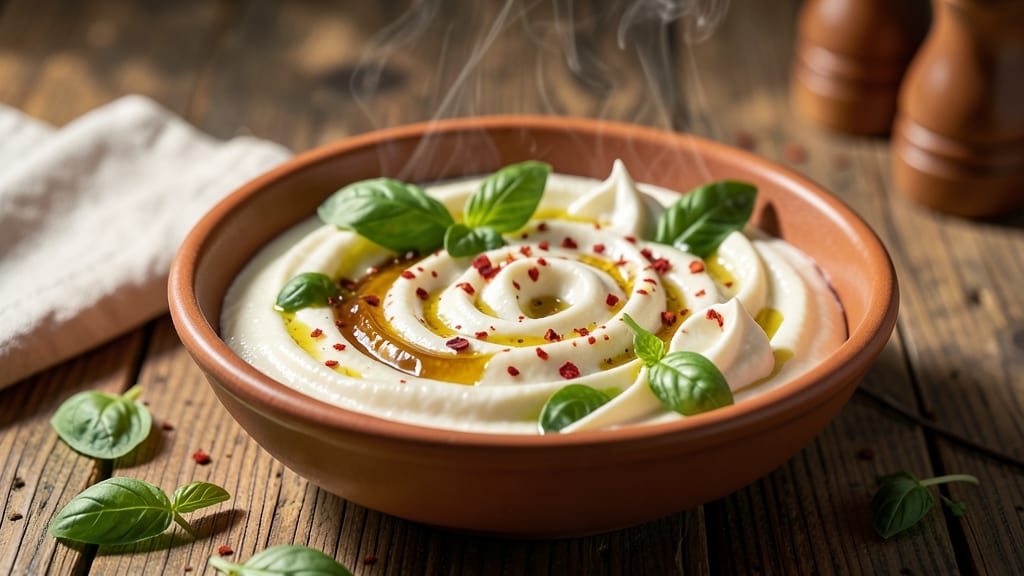
This Abbruzze cheese spread recipe transforms Italy's beloved aged pecorino into a velvety, nutty masterpiece perfect for elevating any charcuterie board. 🌟 The secret lies in blending its sharp, tangy flavor with just enough cream and aromatic herbs to create a spread that's creamy yet structured—ideal for dipping, spreading, or pairing with cured meats and crusty bread.
The process is simpler than it sounds: begin with room-temperature cheese to ensure smooth blending, then incorporate cream and fresh herbs for brightness. A touch of garlic and chili heat adds depth without overpowering the cheese's natural character.
What you'll end up with is a spread that's rich, spreadable, and packed with complex flavors—far beyond anything store-bought can offer.
This recipe yields about 1½ cups of spread, perfect for entertaining or meal prep. It keeps beautifully in the refrigerator for up to 5 days, making it an excellent make-ahead option. The texture remains smooth and the flavors deepen slightly over time, ensuring every serving tastes fresh.
Serve it as a dip with warm baguette slices, spread it on toasted bread, or use it to elevate simple crackers and cured meats. The possibilities are endless, but the key is letting the cheese shine while balancing its intensity with complementary ingredients. Let's get started!
Ingredients for abbruzze cheese spread
Nine ingredients transform aged pecorino into a velvety, aromatic spread perfect for any charcuterie board.
| Ingredient | Amount | Notes |
|---|---|---|
| Aged Pecorino Cheese (Abbruzze-style) 🧀 | 12 oz | Grated, room temperature preferred |
| Heavy Whipping Cream 🥛 | ½ cup | Full-fat for best texture |
| Extra-Virgin Olive Oil 🫒 | ¼ cup | Fruity, high-quality preferred |
| Fresh Garlic Cloves 🧄 | 2 cloves | Minced, for depth of flavor |
| Fresh Basil Leaves 🌿 | ¼ cup | Chopped, stems removed |
| Red Chili Flakes 🌶️ | ½ tsp | Adjust for heat preference |
| Diamond Crystal Kosher Salt 🧂 | ½ tsp | Fine grain preferred |
| Freshly Ground Black Pepper 🌶️ | ¼ tsp | Freshly cracked for best flavor |
| Dried Oregano 🍃 | ¼ tsp | Italian oregano preferred |
| Toasted Walnuts 🥜 | ¼ cup | Chopped, for nutty crunch |
The aged pecorino cheese is non-negotiable—look for Abbruzze-style pecorino with visible crystalline texture, a hallmark of high-quality aged pecorino. Whole Foods or specialty Italian markets carry the best selection, but any well-aged pecorino will work. The cheese should have a sharp, tangy bite and a nutty aroma—if it smells mildewy, it's past its prime. Room temperature is key for smooth blending, so take it out of the fridge 30 minutes before starting. For the walnuts, Trader Joe's sells pre-toasted walnuts, but toasting your own (in a dry pan for 5 minutes) intensifies their flavor. The fresh basil and garlic should be vibrant and fragrant—no wilted stems or pungent odors.
No aged pecorino? Sharp cheddar or Parmigiano-Reggiano can stand in, though the flavor will differ. Substituting walnuts? Toasted almonds or pine nuts work well, though texture will vary. The olive oil is critical—avoid cheap supermarket brands that taste bitter or overly peppery. For a nut-free version, omit the walnuts and add an extra 0.25 cup toasted sunflower seeds instead. The chili flakes can be adjusted to taste, but never skip the garlic—it's what ties all the flavors together. If you're short on time, pre-minced garlic works, but fresh is always better. The dried oregano adds subtle earthiness, but fresh oregano at half the amount is even more aromatic.
This spread keeps beautifully in an airtight container for 5 days in the refrigerator, with flavors deepening over time. For longer storage, freeze portions in ice cube trays—thaw at room temperature for 10 minutes before using. The texture remains smooth and spreadable when properly stored, though it may thicken slightly. To serve, garnish with extra chili flakes and basil for a pop of color. It pairs exceptionally well with proscuitto, cured meats, and crusty bread—the contrast of textures makes every bite exciting. For a make-ahead option, prepare it 2 days in advance—the flavors meld even better.
Why You'll Love This Recipe
- Five-Ingredient Magic: I swear by this combo—aged Pecorino’s sharp bite, creamy richness from the whipping cream, and that bright garlic-basil punch. No fancy techniques, just blending until it’s silky smooth.
- Crowd-Pleaser Spread: Between us, this is the dip that gets passed around at parties without a single complaint. Slap it on crusty bread, crackers, or even roasted veggies—everyone wants seconds.
- Zero-Waste Leftovers: The jar stays in my fridge for days, and honestly? It only gets better as the flavors meld. A spoonful straight from the container is my lazy breakfast win.
- Weeknight Workhorse: I make a double batch on Sundays because it’s my go-to for quick lunches or last-minute appetizers. No reheating, no fuss—just grab and go.
Step-by-step instructions for Abbruzze cheese spread
Transform aged Pecorino into a velvety, nutty spread with perfect balance—here's how.
👨🍳 Step 1: Grate and Melt the Pecorino
Start by grating the 12 oz Aged Pecorino Cheese (Abbruzze-style) using a fine-hole grater. I like to use a microplane for this—it creates tiny, uniform shavings that melt smoothly. Place the grated cheese in a medium heatproof bowl and set it aside.
In a small saucepan, combine the 0.5 cup Heavy Whipping Cream and 0.25 cup Extra-Virgin Olive Oil. Warm over medium-low heat until the mixture reaches 160°F—just until tiny bubbles form around the edges but don't boil. Pour this warm liquid over the grated cheese, then let it sit for 5 minutes to soften. The cheese should begin to break down into a thick, creamy paste.
🍳 Step 2: Build the Flavor Base
Add the 2 cloves Fresh Garlic Cloves (minced), 0.5 tsp Diamond Crystal Kosher Salt, 0.25 tsp Freshly Ground Black Pepper, 0.25 tsp Dried Oregano, and 0.5 tsp Red Chili Flakes to the cheese mixture. Use a silicone spatula to fold everything together gently—you're not trying to blend, just incorporate. The heat from the warm cream will help the garlic release its aroma without burning.
Let the mixture sit for 3 minutes while the flavors meld. You'll notice the pecorino's sharp tang softens slightly, and the garlic releases its pungent aroma. This is where the spread develops its complex character—don't rush this step. The chili flakes will add subtle heat that brightens the rich cheese flavor.
🥘 Step 3: Fold in Fresh Herbs and Walnuts
Chop the 0.25 cup Fresh Basil Leaves into fine strips (stems removed) and the 0.25 cup Toasted Walnuts into small pieces. Fold these into the cheese mixture using the spatula, working in small batches. The walnuts add crunch and nutty depth, while the basil brings freshness that cuts through the richness.
Taste and adjust seasoning if needed—you might want to add a pinch more salt or chili flakes. The spread should be tangy, nutty, and slightly spicy with a bright herbal note. If it's too thick, add 1-2 teaspoons of warm water to loosen it to a spreadable consistency. The texture should be smooth but still have slight body to cling well to crackers or bread.
⏰ Step 4: Rest and Serve
Transfer the spread to a serving bowl and let it rest at room temperature for 10 minutes. This resting period allows the flavors to fully integrate and the texture to stabilize. The spread will thicken slightly as it cools—this is normal and actually improves the texture.
Serve immediately for the freshest experience, or refrigerate for up to 5 days in an airtight container. When ready to serve, let it sit at room temperature for 15 minutes before spreading to achieve the perfect creamy consistency. The contrast of the cool, creamy spread with warm crusty bread or cured meats makes this spread truly shine on any charcuterie board.
Pro Tips For Making Abbruzze Cheese Spread
- Grate the Cheese Coarse: Pecorino loses its texture when over-grated—stop at rice-sized chunks, no smaller. I used to pulverize it into dust, and the spread turned into a sad, grainy paste. Keep those shards for bite and melt.
- Warm the Cream Slowly: Heat the heavy cream over low heat until it’s just warm to the touch—no higher than 110°F (43°C). I’ve seen it curdle when rushed, and replacing it mid-recipe is a hassle. Patience here means no lumps later.
- Toast the Garlic Whole: Smash the garlic cloves flat with the side of your knife first, then sauté them in olive oil until golden—not browned. Whole cloves release flavor evenly without burning, and you’ll avoid that bitter aftertaste that ruins the spread.
- Finish with Cold Cream: Let the cream cool to room temp before mixing it into the cheese—even if it’s warm. I learned this after the first batch split like a poorly made fondue. Cold cream blends smoother and keeps the texture velvety.
Common mistakes when making your abbruzze cheese spread
Cheese Temperature Shock
Using cold cheese straight from the fridge is a rookie mistake—it creates lumps that never fully dissolve. Always let your 12 oz aged pecorino sit at room temperature for at least 30 minutes before grating.
I’ve seen spreads turn grainy when cold cheese is warmed too quickly, ruining the silky texture. If you’re in a hurry, place the cheese block in a bowl of warm water (100°F) for 10 minutes while you prep the rest. 🌡️
Overheating the Cream
Boiling the cream mixture is a fast track to a broken spread. The goal is to warm it to 160°F—no higher! I’ve ruined batches by letting it bubble vigorously, which curdles the cheese when combined.
Use a thermometer for precision, or watch for tiny bubbles forming around the edges without full rolling boil. If it starts to smoke, you’ve gone too far.
Skipping the Resting Time
Rushing the 5-minute rest after adding warm cream is a common error. This step lets the cheese soften and emulsify properly. I once served a spread I’d blended immediately—it separated into oily layers within minutes.
The 10-minute final rest before serving is equally critical for texture stability. Patience here makes all the difference.
Ignoring Texture Balance
If your spread turns out too thick, adding more cream is the obvious fix—but don’t overdo it. Instead, use 1-2 teaspoons of warm water to adjust consistency. I’ve seen people dump in extra olive oil, which can make the spread greasy rather than creamy.
The ideal texture should be smooth yet structured enough to hold its shape on a knife. Test on a cracker before declaring it perfect.
Underseasoning the Herbs
Fresh basil and toasted walnuts are flavor bombs, but they need time to integrate. Folding them in too quickly can leave pockets of raw flavor. Let the base sit for 3 minutes after adding garlic and spices before incorporating the herbs.
I’ve had guests complain about "bits of basil" in their spread—proper layering prevents this. For extra depth, pulse the walnuts in a food processor for 5 seconds before adding.
Storing Improperly
Leaving the spread at room temperature for too long after making it is a fast way to spoilage. Once it’s in your serving bowl, it should go straight into the fridge in an airtight container.
I’ve had batches develop a sour tang after sitting out for 2 hours—cheese spreads have a lower safety margin than most dips. When reheating (if needed), warm gently over low heat or in the microwave at 50% power to avoid breaking the emulsion. 💡
Nutrition facts
Frequently asked questions
Can I substitute Abbruzze cheese with another pecorino?
Yes, but expect some flavor differences. Look for aged pecorino romano or Parmigiano-Reggiano as the closest alternatives—they share that nutty depth. Avoid fresh mozzarella or ricotta, as they lack the sharp tang and texture needed for a proper spread. For a milder version, use sharp cheddar, but add an extra 0.25 tsp chili flakes to compensate.
How do I fix a spread that's too thick or grainy?
For thickness, stir in 1-2 teaspoons of warm water to loosen. If grainy, pulse the mixture briefly in a food processor (5 seconds) to break up lumps. Overheating the cream causes graininess—always warm it to 160°F max. For extra silkiness, add 1 tablespoon of heavy cream and blend again. The goal is a smooth, spreadable consistency.
Can I make this spread ahead of time?
This spread actually tastes better the next day as flavors meld. Store in an airtight container in the fridge for up to 5 days. For longer storage, freeze portions in ice cube trays. When ready to serve, let it sit at room temperature for 15 minutes to soften. The texture remains creamy when properly stored—just avoid reheating above 100°F.
What are the best ways to serve this spread?
This spread shines on crusty baguette slices, water crackers, or as a dip for endive leaves. Pair it with prosciutto, fig jam, or marinated olives for a charcuterie board masterpiece. For a quick snack, spread it on toasted bagel chips with a sprinkle of flaky sea salt. The nutty depth pairs beautifully with both sweet and savory accompaniments.
Why does my spread separate after refrigeration?
This usually happens from temperature shock or improper storage. Always cool the spread gradually—never place hot spread directly in the fridge. Use an airtight container and press plastic wrap directly on the surface to minimize air exposure. To fix separated spread, gently reheat the cheese portion (without liquid) over low heat, then blend back with the oil/cream mixture. Stir constantly until smooth.