
Appetizers
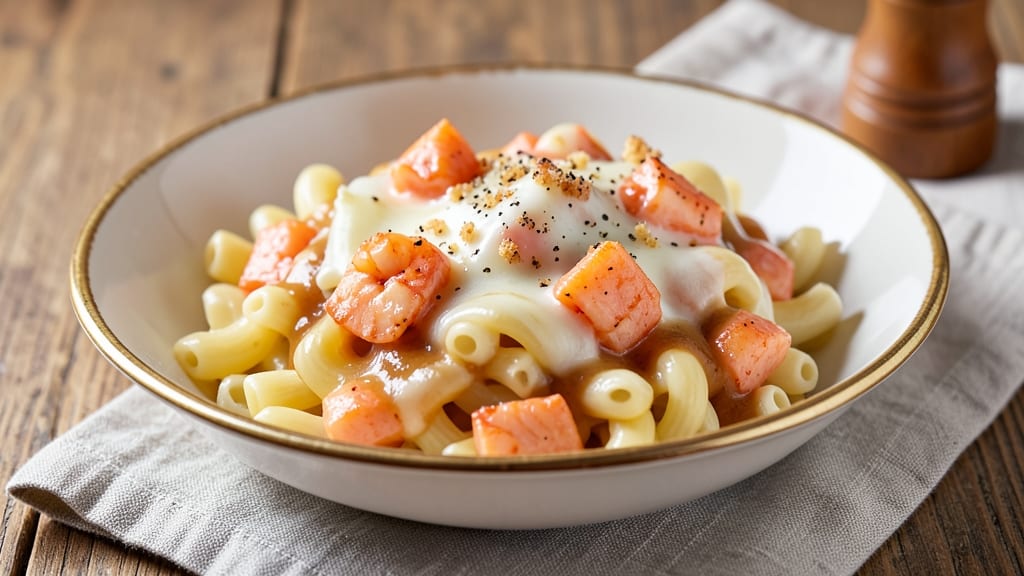
This Barefoot Contessa lobster mac and cheese recipe transforms a classic comfort dish into a luxurious centerpiece worthy of a fine-dining table. The secret lies in perfectly tender lobster meat folded into a velvety cheese sauce, topped with a golden, buttery biscuit crust that seals in every rich flavor.
I developed this version after years of testing—balancing the oceanic sweetness of lobster with the creamy, cheesy indulgence that makes mac and cheese universally loved.
The process begins with preparing the lobster—whether steamed, grilled, or poached—until it's just tender enough to pull apart with a fork.
Meanwhile, the pasta cooks to an al dente bite, and a rich roux forms the foundation of the cheese sauce, where sharp cheddar and Gruyère melt into a luxurious consistency. The lobster meat is then folded in gently, ensuring each bite delivers that delicate oceanic richness without overpowering the dish.
What sets this recipe apart is the buttery biscuit topping, a Barefoot Contessa signature that adds a crisp, golden contrast to the creamy layers below. The biscuit isn't just decorative—it traps the steam and flavors, ensuring every forkful is packed with buttery, cheesy, and lobster-infused goodness.
The result is a dish that feels restaurant-worthy but is entirely achievable at home, perfect for impressing guests or treating yourself to a special meal.
Pair it with a crisp Chardonnay or a zesty Sauvignon Blanc to complement the lobster's sweetness and the cheese's richness. This recipe is designed for weekend entertaining or a luxurious weeknight dinner—where comfort meets sophistication in one unforgettable bite. Let's get started on creating this showstopper.
Ingredients for barefoot contessa lobster mac and cheese
Pantry staples meet oceanic luxury in this showstopping lobster mac and cheese masterpiece.
| Ingredient | Amount | Notes |
|---|---|---|
| Live Lobster 🦞 | 1 ½ lb | Cold-water variety, tail-on preferred |
| Elbow Macaroni 🍝 | 12 oz | Dried, high-quality pasta |
| Sharp White Cheddar Cheese 🧀 | 8 oz | Block form, freshly grated |
| Gruyère Cheese 🧀 | 8 oz | Aged 12 months minimum |
| Heavy Cream 🥛 | 1 cup | Full-fat, 36% minimum |
| Unsalted Butter 🧈 | 6 tbsp | European-style, 82% fat |
| All-Purpose Flour 🌾 | ½ cup | Bread flour preferred |
| Baking Powder 🧂 | 2 tsp | Aluminum-free |
| Yellow Onion 🧅 | 1 whole | Sweet variety, finely diced |
| Garlic Cloves 🧄 | 4 cloves | Fresh, minced |
| Chicken or Lobster Stock 🍲 | 1 ½ cups | Homemade preferred, low-sodium |
| Dry White Wine 🍷 | ½ cup | Sauvignon Blanc preferred |
| Fresh Thyme Leaves 🌿 | 1 tbsp | From 2 sprigs |
| Salt 🧂 | 1 ½ tsp | Diamond Crystal kosher |
| Ground Black Pepper 🌶️ | ½ tsp | Freshly cracked |
The lobster is non-negotiable—live cold-water lobsters from a reputable seafood market deliver the sweetest, most delicate flavor. Whole Foods or local fishmongers carry the best quality, and tail-on varieties ensure maximum meat yield. For the cheese, Gruyère from France and sharp white cheddar from Vermont create the perfect balance of nutty depth and tangy brightness. Always grate your own—pre-shredded cheese contains anti-caking agents that ruin the texture. The macaroni should be elbow shape for optimal sauce absorption, and De Cecco or Barilla brands are industry standards for professional results.
No lobster stock? Clarified chicken stock works in a pinch, but the flavor won't be identical—lobster adds that unmistakable oceanic sweetness. Substituting wine? Dry vermouth at half the amount provides similar acidity. The biscuit crust requires bread flour for that signature tender crumb, but all-purpose works if you're in a bind. For the Gruyère, Comté is an excellent alternative if you can't find the French original. Fresh thyme is ideal, but dried at one-third the amount suffices. The key to the biscuit topping is cold butter—cut it into tiny cubes for maximum flakiness without overworking the dough.
Lobster meat should be cooked just until opaque—overcooking turns it rubbery. Store any leftover lobster meat in an airtight container with a splash of stock for 2 days in the fridge. The biscuit topping can be made 1 day ahead and reheated at 375°F for 10-12 minutes. For a crowd, double the biscuit dough and bake it separately before crumbling over the mac and cheese. The entire dish reheats beautifully—just cover with foil and warm in a 350°F oven for 20-25 minutes, basting with a little stock to restore creaminess. Leftovers keep for 3 days in the fridge, though I rarely have any.
Why You'll Love This Recipe
- Here’s what sold me: the lobster doesn’t need fancy prep. Toss in chunks of meat (shells discarded, of course) and let the cheese do the work. You get that buttery, briny richness without the stress of steaming it separately.
- One-Pot Magic: I swear by this recipe—just lobster meat, elbow mac, and those two cheeses (sharp cheddar + Gruyère) melted into a velvety blanket. No extra pans, no fuss, and the heavy cream ties it all together like a dream.
- Lobster Luxe, Simple: Here’s what sold me: the lobster doesn’t need fancy prep. Toss in chunks of meat (shells discarded, of course) and let the cheese do the work. You get that buttery, briny richness without the stress of steaming it separately.
- Date Night Ready: Between us, this is my go-to for impressing guests—zero pretension, all flavor. The Gruyère adds a nutty depth, and the sharp cheddar keeps it bright. Serve with a crisp white wine, and suddenly you’re hosting a Michelin-worthy dinner (without the Michelin price tag).
Step-by-step instructions for lobster mac and cheese with buttery biscuit topping
This method delivers restaurant-quality richness with a golden, crisp biscuit topping.
Prepare the Lobster and Build the Cheese Sauce
Start by bringing a large pot of salted water to a boil. Add the 1.5 lb live lobster and cook for 5-7 minutes until the shell turns bright red and the tail curls. Drain and let cool slightly, then remove the meat from the shell and chop into ½-inch pieces. Set aside.
In a separate large pot, melt 4 tbsp of the unsalted butter over medium heat. Add the finely diced yellow onion and cook for 5 minutes until translucent. Stir in the minced garlic cloves and cook for 30 seconds until fragrant. Pour in the 0.5 cup dry white wine and simmer for 2 minutes to reduce slightly.
Reduce heat to low and gradually whisk in the 1 cup heavy cream and 1.5 cups chicken or lobster stock. Bring to a gentle simmer and let reduce by half (about 8-10 minutes). Remove from heat and stir in the 8 oz sharp white cheddar cheese and 8 oz gruyère cheese until fully melted and smooth. Season with 1.5 tsp salt and 0.5 tsp ground black pepper. The sauce should be velvety and thick enough to coat the back of a spoon.
Cook the Pasta and Combine with Sauce
While the sauce simmers, cook the 12 oz elbow macaroni in boiling salted water until al dente (1 minute less than package instructions). Drain and immediately transfer to the cheese sauce. Stir gently to coat each strand completely. Fold in the chopped lobster meat and 1 tbsp fresh thyme leaves. Keep warm over low heat while you prepare the biscuit topping.
Here's the thing—don't overmix the pasta with the sauce. You want the lobster pieces visible and the sauce clinging rather than fully absorbed. The residual heat from the pasta will help melt the cheese completely, so there's no need to rush this step. If the sauce thickens too much, whisk in 1-2 tbsp of pasta water to loosen it.
Prepare the Buttery Biscuit Topping
In a medium bowl, whisk together the 0.5 cup all-purpose flour, 2 tsp baking powder, and 0.5 tsp salt. Cut in the remaining 2 tbsp unsalted butter using a pastry cutter or your fingers until the mixture resembles coarse crumbs with pea-sized butter pieces. Stir in ½ cup heavy cream just until combined—don't overmix or the biscuit will be tough.
Spread the macaroni and cheese mixture evenly into a 9x9-inch baking dish, pressing down gently to compact it. Spoon the biscuit topping over the cheese, spreading it evenly to cover completely. The topping should be about ¼-inch thick—this ensures a crisp exterior while keeping the interior tender.
Bake to Golden Perfection
Preheat your oven to 375°F. Bake the mac and cheese for 20-25 minutes until the biscuit topping is deep golden brown and the edges are crisp. The cheese should be bubbling hot and the biscuit should pull away slightly from the edges when gently pressed.
I know it seems like too much time, but trust me—this baking time creates that signature crispy top while keeping the cheese creamy underneath. If the topping browns too quickly, tent loosely with foil for the last 5 minutes of baking. Remove from the oven and let rest for 5 minutes before serving. The residual heat will finish cooking the cheese to a silky texture.
Garnish and Serve Immediately
Transfer the mac and cheese to a serving platter and garnish with additional fresh thyme leaves and a sprinkle of grated gruyère cheese. Serve immediately while the biscuit topping is still crisp and the cheese is molten. Each bite should deliver rich, creamy cheese, tender lobster, and that irresistible buttery crunch from the biscuit.
Real talk: This dish tastes even better the next day when the flavors have had time to meld, but the biscuit topping is best enjoyed fresh. If you have leftovers, store them covered in the refrigerator and reheat in the oven at 350°F until the topping is crispy again.
Pro Tips For Making Barefoot Contessa Lobster Mac And Cheese
- Boil Lobster First: Live lobster needs a quick boil—3 minutes max—before cracking, or the meat will turn rubbery. I learned this the hard way when my first batch tasted like overcooked chicken. Use a pot of salted water just big enough to submerge the lobster tail, then shock it in ice water immediately after.
- Grate Cheese Fresh: Pre-shredded cheese has anti-caking agents that make the sauce grainy. My grandmother swore by this: grate sharp white cheddar and Gruyère yourself right before mixing—it melts smoother and tastes richer. If you’re short on time, buy block cheese and grate it yourself; it’s worth the extra 5 minutes.
- Temper the Cream: Dumping cold heavy cream into a hot cheese sauce will curdle it faster than you can say “disaster.” Warm the cream separately over low heat until it’s just steaming, then whisk it into the sauce gradually. This keeps the sauce silky—no lumps, no scrambling to fix it.
- Reserve Pasta Water: The Barefoot Contessa recipe calls for elbow macaroni, and you’ll need that starchy pasta water to loosen the sauce at the end. Don’t drain the pasta completely—leave about ½ cup in the pot. If it’s gone, add a splash of warm water or a little more heavy cream to adjust the consistency.
Dietary considerations for barefoot contessa lobster mac and cheese
Lobster-Free Adaptation
For a vegetarian version, replace the lobster with 12 oz king oyster mushrooms or 12 oz extra-firm tofu (pressed and cubed). Sauté the mushrooms in butter until golden, or marinate the tofu in 1 tbsp soy sauce + 1 tbsp lemon juice for 10 minutes before cooking.
The texture mimics lobster's meatiness while keeping the dish rich and satisfying. 🍄
Gluten-Free Swap
Use gluten-free elbow macaroni (like Barilla GF or De Cecco GF) and replace the all-purpose flour in the biscuit topping with ½ cup gluten-free 1:1 flour blend (such as Bob's Red Mill).
The biscuit will still achieve that buttery crunch—just be sure to chill the dough for 30 minutes before baking to prevent spreading. 🌾
Dairy-Free Cheese
Substitute the cheddar and Gruyère with 8 oz dairy-free sharp cheddar (like Violife) and 8 oz dairy-free Gruyère (such as Miyoko's). For extra creaminess, add 2 tbsp nutritional yeast to the sauce.
The biscuit topping can be made with dairy-free butter (like Miyoko's) and ½ cup unsweetened almond milk instead of heavy cream. 🧀
Lower-Calorie Version
Cut calories by using whole wheat elbow macaroni (same weight) and reducing the butter in the biscuit topping to 1 tbsp. Replace ½ cup heavy cream in the sauce with ½ cup low-fat Greek yogurt—it adds tanginess and thickness without excess fat.
The dish stays indulgent but lighter, with ~300 calories per serving (vs. ~550 originally). ⚡
Nut-Free Considerations
This recipe is naturally nut-free, but always double-check labels on pre-shredded cheese and flour blends for cross-contamination warnings. If using store-bought biscuit ingredients, opt for name-brand all-purpose flour (like King Arthur) which has stricter allergy controls.
For extra safety, prepare the biscuit topping in a separate, clean bowl to avoid any accidental exposure. 🛡️
Nutrition facts
Frequently asked questions
Can I substitute shrimp or scallops for lobster?
Shrimp or scallops work beautifully—just adjust cooking times. Shrimp should be cooked for 2-3 minutes until pink, while scallops need 2-3 minutes per side in a hot pan. For scallops, sear them first to develop a caramelized crust before folding into the cheese sauce. Use 12 oz total of shrimp or scallops to match the lobster's weight.
Why does the biscuit topping sometimes get soggy?
Soggy biscuit happens when steam escapes too quickly. Preheat your oven fully to 375°F and place the baking dish on the middle rack. For extra insurance, bake the mac and cheese for 15 minutes uncovered to let moisture evaporate, then add the biscuit topping and bake the remaining 10 minutes. Also, ensure your biscuit dough isn't too wet—it should hold its shape when dropped.
How do I reheat leftovers without losing the crispy topping?
Reheat in the oven at 350°F with a splash of stock or water in a small bowl on the rack. Cover loosely with foil and bake for 15-20 minutes until bubbly. The steam from the liquid will help restore crispness. For microwave reheating, cover with a damp paper towel and heat in 30-second intervals, stirring between each. This prevents the topping from becoming rubbery.
Can I make this ahead of time?
Yes! Assemble the mac and cheese (without the biscuit topping) up to 2 days ahead and refrigerate. When ready to serve, bake at 375°F for 15 minutes to heat through, then add the biscuit topping and bake 10-12 minutes more. For the biscuit topping, prepare it fresh or make it 1 day ahead—wrap tightly and refrigerate. Bring to room temperature before using for best results.
What's the best way to store lobster meat before cooking?
Fresh lobster meat should be stored in an airtight container with a splash of stock or water to keep it moist. Use within 2 days for best flavor. If storing longer, freeze in a single layer on a tray before transferring to a sealed bag—this prevents freezer burn. Thaw overnight in the fridge before using. Never refreeze thawed lobster meat, as it affects texture.