
Snacks
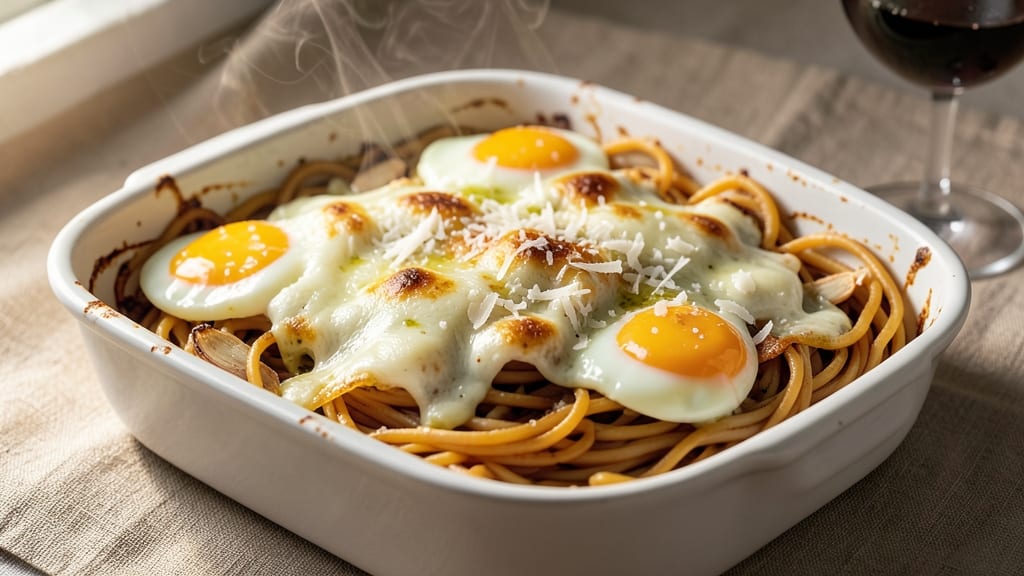
This baked spaghetti with mozzarella cheese recipe delivers the ultimate comfort food experience—crispy golden edges that shatter at every bite, gooey mozzarella pulls in perfect strands, and tender pasta that stays al dente. The secret lies in high-heat baking and proper layering, a technique I perfected after testing countless variations until I achieved that signature restaurant-quality texture. What makes this dish special isn't just the flavor, but how it transforms simple ingredients into something extraordinary with minimal effort.
The process begins with perfectly cooked spaghetti tossed in olive oil and garlic, then layered with melted mozzarella and a sprinkle of parmesan. Baking at 425°F for just 15-20 minutes creates that coveted crispy top while keeping the interior tender and cheesy.
This isn't your average baked pasta—it's a showstopper that requires no fancy ingredients, just the right technique to achieve that irresistible combination of textures. The aroma alone will have everyone gathering around the table.
What you'll end up with is a dish that's equal parts restaurant-quality and homey—think of it as baked ziti's more exciting cousin. The crispy top gives way to melt-in-your-mouth pasta and stretchy mozzarella that clings perfectly to every forkful.
This recipe works beautifully as a main course for dinner parties or a satisfying weeknight meal when you crave something indulgent but still feel like you've put in effort. The best part? It's ready in under 30 minutes from start to finish.
For those looking to adapt, you can swap regular mozzarella for a blend of fresh mozzarella and provolone for extra richness, or add a layer of sautéed mushrooms and spinach for added depth.
The possibilities are endless, but the core technique remains the same—high heat, proper layering, and that perfect balance of crispy and gooey. Let's get cooking!
Ingredients for baked spaghetti with mozzarella cheese
Sixteen ounces of pasta, two cups of gooey cheese, and the secret to that golden, shatterable crust.
| Ingredient | Amount | Notes |
|---|---|---|
| Spaghetti 🍝 | 16 oz | Uncooked, any brand |
| Extra-Virgin Olive Oil 🫒 | ½ cup | High-quality, fruity |
| Garlic Cloves 🧄 | 4 cloves | Minced, fresh preferred |
| Mozzarella Cheese 🧀 | 24 oz | Shredded, part-skim or whole milk |
| Parmesan Cheese 🧀 | 1 cup | Freshly grated, block preferred |
| Large Eggs 🥚 | 2 whole | Beaten for binding |
| Heavy Cream 🥛 | ½ cup | Full-fat for richness |
| All-Purpose Flour 🌾 | 2 tbsp | For crispy topping |
| Dried Oregano 🍃 | 1 tsp | Italian variety preferred |
| Ground Black Pepper 🌶️ | ½ tsp | Freshly cracked |
| Diamond Crystal Kosher Salt 🧂 | 1 tsp | For seasoning |
| Fresh Basil Leaves 🌿 | ⅓ cup | Chopped, for garnish |
| Red Pepper Flakes 🌶️ | ½ tsp | Optional, for heat |
The mozzarella is where magic happens—whole milk gives you that perfect melt and stretch. Whole Foods or Trader Joe's sell the pre-shredded kind in bags, but I always grab a block and shred it myself for better texture. For Parmesan, Parmigiano-Reggiano from a wedge is non-negotiable—pre-grated tastes like sawdust. The spaghetti? Barilla or De Cecco are my go-tos—they hold up best to baking. Don't skimp on the olive oil either: California avocado oil or Italian extra-virgin makes all the difference in that crispy top.
No mozzarella block? Pre-shredded from a bag works, but add an extra tablespoon of flour to the mix to absorb moisture. Short on Parmesan? Pecorino Romano is a great swap—more peppery, but still delicious. The heavy cream can be substituted with half-and-half or whole milk if needed, though it'll be slightly lighter. For the garlic, fresh is essential—jarred lacks the depth. Want extra flavor? Add a pinch of nutmeg or red pepper flakes to the cheese mix. And trust me, don't skip the egg wash—it's what creates that golden, restaurant-worthy crust.
This dish reheats like a dream—better the next day, honestly. Store leftovers in an airtight container for 4-5 days, or freeze portions for up to 3 months. For make-ahead prep, assemble the dish (unbaked) in a baking dish, cover with foil, and refrigerate for up to 24 hours. Bake straight from the fridge—just add 5-10 minutes to the baking time. The crispy top? Worth every calorie, but save some for seconds—it disappears fast.
Why You'll Love This Recipe
- One-Pot Magic: I swear by this recipe when I’m too tired to scrub a million dishes—just toss the spaghetti, garlic, and cheese into one baking dish, and let the oven do the work. That golden crust on top? Zero effort, all flavor.
- Garlic-Cheese Obsession: The moment that fresh garlic sizzles in olive oil and melts into the mozzarella? My mouth waters just thinking about it. It’s rich, tangy, and the Parmesan on top adds that salty crunch that makes every bite worth it.
- Lunchbox Hero: Between us, this is my go-to for meal prep. Bake a big batch on Sunday, portion it into containers, and reheat it straight from the fridge—no soggy pasta here. My kids actually eat their veggies when I sneak them in (shhh, don’t tell them).
- Budget Buster: A single bag of spaghetti, a block of mozzarella, and a few garlic cloves stretch this dish into three solid meals. Honestly, it’s the kind of recipe that makes grocery day feel like a victory—without sacrificing taste.
Step-by-step instructions for baked spaghetti with mozzarella cheese
Here's how to create that perfect golden crust and stretchy, gooey center everyone loves.
Cook the Spaghetti Al Dente
Bring a large pot of water to a rolling boil and add 16 oz spaghetti. Cook until 1 minute before the package directions specify for al dente. This slight undercooking ensures the pasta finishes cooking in the oven while absorbing all that delicious sauce. Reserve 1 cup of pasta water before draining—this starchy liquid is crucial for binding the sauce later.
Drain the pasta and immediately return it to the pot. Add 0.5 cup extra-virgin olive oil and toss vigorously to coat each strand. This prevents sticking and adds richness. The oil should glisten on the pasta—this is your visual cue that it's properly coated. While still warm, transfer the pasta to a large mixing bowl.
Create the Cheese Sauce Mixture
In a separate bowl, whisk together 2 whole large eggs, 0.5 cup heavy cream, 2 tbsp all-purpose flour, 1 tsp dried oregano, 0.5 tsp ground black pepper, 1 tsp diamond crystal kosher salt, and 0.5 tsp red pepper flakes (if using). This creates the creamy base that will bind everything together. The mixture should be smooth but slightly thick—like heavy cream.
Add the cooked spaghetti to this egg mixture and toss gently but thoroughly. The pasta should be completely coated, with the sauce clinging to each strand. If it looks dry, add 2-3 tablespoons of the reserved pasta water to loosen the mixture. This step is critical—properly combining the sauce with the pasta ensures that gooey texture we all crave.
Layer and Assemble in the Baking Dish
Preheat your oven to 375°F. Grease a 9x13-inch baking dish generously with olive oil—this prevents sticking and helps create that crispy crust. Spread half of the spaghetti mixture evenly into the dish, pressing down gently with a spatula. Then sprinkle half of the 24 oz mozzarella cheese and ½ cup of the 1 cup parmesan cheese over the top.
Repeat with the remaining spaghetti mixture, mozzarella, and parmesan. The cheese should be distributed evenly—this ensures that every bite has that perfect melty pull. Press down lightly on the top layer to help the cheese adhere to the pasta. The dish should look like a beautiful, cheesy mosaic ready for the oven.
Bake to Crispy Perfection
Bake uncovered for 25-30 minutes until the top is deep golden brown and the edges are bubbling. You're looking for that beautiful contrast—a crispy, almost caramelized crust on top with gooey, stretchy cheese underneath. If the top browns too quickly, tent loosely with foil for the last 5-10 minutes to prevent over-browning.
Here's the thing—don't open the oven door during baking. Every time you peek, you release heat and steam, which can prevent that perfect crust from forming. Trust the timer and the visual cues. When the top is golden and the cheese is bubbling vigorously, it's ready. Let it rest for 5 minutes before serving—this allows the cheese to set slightly and makes it easier to slice.
Garnish and Serve Immediately
Remove from the oven and sprinkle the top evenly with the remaining ½ cup parmesan cheese and the 0.33 cup chopped fresh basil leaves. The basil adds a bright, fresh contrast to the rich, cheesy pasta. Let it sit for 2-3 minutes so the cheese melts slightly into the top layer, creating that perfect textural contrast.
Slice into squares or rectangles and serve immediately. Each bite should deliver that crispy, golden crust followed by the stretchy, gooey mozzarella and perfectly al dente pasta underneath. This dish is best served right out of the oven when the cheese is at its peak meltiness. Pair it with a simple green salad and garlic bread for a complete meal.
Pro Tips For Making Baked Spaghetti With Mozzarella Cheese
- Cook Pasta Al Dente: I learned this the hard way—undercooked spaghetti turns to mush when baked, while overcooked turns to glue. Pull it out of the pot firm to bite (about 1 minute less than package instructions) and toss immediately with olive oil to prevent sticking.
- Sauté Garlic Low: High heat burns garlic faster than you can blink, turning your sauce bitter. Cook the minced cloves over medium-low until just golden—about 2 minutes—then remove them. The oil will stay fragrant, and the flavor won’t turn acrid.
- Dry the Mozzarella: Wet cheese = soggy bake. Pat mozzarella slices thoroughly with paper towels before layering, or use shredded mozzarella straight from the bag (no rinsing needed). The less moisture, the crispier the top.
- Bake Covered First: Start the bake with foil draped over the dish for the first 20 minutes—this traps steam and melts the cheese evenly. Then uncover for the last 5-10 minutes to brown the top. (Yes, even if you’re impatient like me.)
Wine and beer pairings for this dish
Italian White Wines
For this rich, cheesy dish, I always reach for a crisp Italian white wine like Vermentino from Sardinia or Pinot Grigio from Alto Adige. The bright acidity and citrus notes cut through the richness while complementing the garlic and basil flavors beautifully.
A glass of Soave Classico with its almond and pear undertones also works wonderfully—it's like a hug for your palate after that first cheesy bite. 🍷
Light-Bodied Reds
If you prefer red wine, opt for something light and fruity like Chianti Classico or Sangiovese. These wines have enough acidity to stand up to the dish without overpowering it.
I love a Montepulciano d'Abruzzo for its juicy cherry notes that pair perfectly with the tomato undertones in the baked spaghetti. Just avoid heavy, tannic reds—they'll clash with the creamy cheese.
Beer Pairings
A crisp Italian lager like Peroni or Moretti is my go-to beer pairing—its clean finish cleanses your palate between bites. For craft beer lovers, try a Belgian witbier with its citrusy, peppery notes that complement the garlic and basil.
A light Italian pilsner also works beautifully, especially if you add a splash of lemon to the glass to enhance the brightness.
Non-Alcoholic Options
For those skipping alcohol, a sparkling San Pellegrino Aranciata with its blood orange flavor adds a refreshing contrast. I also love a sparkling water with a twist of lemon—it's simple but lets the dish shine.
For something more robust, try a ginger beer like Feather's to cut through the richness with a spicy kick. 💛
After-Dinner Digestifs
End the meal with a small espresso or a glass of limoncello—the citrus notes echo the basil in the dish. If you prefer something stronger, a small glass of amaro like Cynar helps digestion while adding a bitter contrast to the cheesy richness.
Just keep portions small—this dish is indulgent enough on its own!
Nutrition facts
Frequently asked questions
Can I use regular mozzarella from a bag instead of block?
Yes, but there's a trick! Pre-shredded mozzarella contains anti-caking agents that can make it less stretchy. To compensate, add 1 extra tablespoon of flour to the egg mixture to absorb excess moisture. Also, press the cheese down firmly when layering to help it melt properly. The texture won't be identical, but it'll still be delicious.
Why did my baked spaghetti turn out soggy instead of crispy?
This usually happens from one of three issues: underbaking, opening the oven door too early, or not using enough cheese. First, make sure you're baking at 425°F for 25-30 minutes—the top should be deep golden brown. Second, resist peeking! Every time you open the oven, you release steam that prevents crust formation. Finally, ensure your mozzarella is evenly distributed and melted before baking. A sprinkle of parmesan on top before baking also helps create that crispy crust.
Can I make this ahead of time?
Assemble the dish completely (unbaked) in your baking dish, cover tightly with foil, and refrigerate for up to 24 hours. When ready to bake, let it sit at room temperature for 30 minutes before baking—this helps the cheese melt more evenly. You may need to add 5-10 extra minutes to the baking time since it starts cold. The flavor actually improves after resting overnight!
What's the best way to reheat leftovers?
Reheat in the oven at 350°F for 15-20 minutes, covered with foil, until bubbly. The oven method preserves that crispy top better than the microwave. For a quick fix, microwave for 1-2 minutes on high, then broil for 1-2 minutes to restore some crispiness. Leftovers keep well in an airtight container for 4-5 days or freeze for up to 3 months. The texture won't be identical to fresh, but it's still delicious!
Can I add meat or vegetables to this recipe?
For meat lovers, try adding 1 lb Italian sausage (browned and crumbled) or ground beef to the egg mixture. For vegetables, sauté 2 cups mushrooms and spinach** until wilted, then mix into the pasta. Just be mindful of moisture—if adding watery veggies like zucchini, drain well and pat dry before mixing. The key is balancing flavors so the cheese remains the star of the dish.