
Breakfast & Brunch
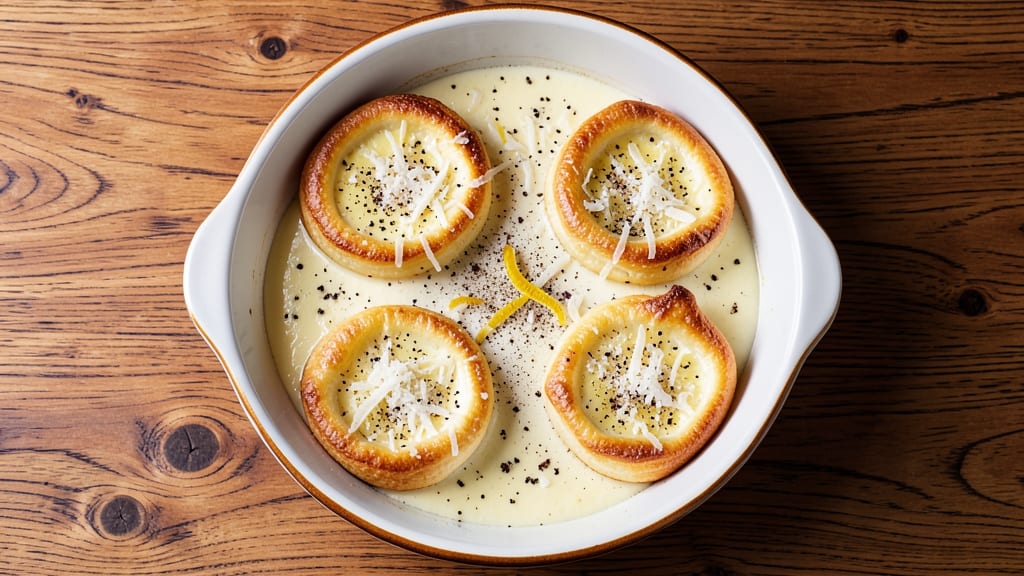
This baked cottage cheese eggs Gordon Ramsay recipe delivers a restaurant-quality breakfast that’s rich, protein-packed, and impossible to resist. The secret lies in baking cottage cheese until it’s golden and golden-brown, creating a crispy crust that contrasts perfectly with the creamy eggs.
I’ve perfected this technique after years of testing—no soggy tops here, just a satisfying crunch with every bite. The beauty of this dish is its simplicity: just a few ingredients, minimal prep, and 30 minutes in the oven.
You’ll start with a creamy cottage cheese base, topped with beaten eggs and a sprinkle of seasoning, then baked until the edges are crispy and the center remains tender. The result? A dish that’s elegant enough for brunch but easy enough for a weeknight.
What makes this recipe stand out is the crispy texture—achieved by baking at high heat and using a light dusting of flour or breadcrumbs on top. The eggs cook perfectly into a fluffy, custardy center, while the cottage cheese develops a rich, caramelized crust.
It’s the kind of breakfast that feels indulgent but still balances protein and flavor. Serve with fresh herbs, a drizzle of hot sauce, or a side of roasted vegetables for a complete meal.
This isn’t just another breakfast—it’s a game-changer for anyone who loves crispy, savory dishes with a creamy twist. Let’s get baking!
Ingredients for baked cottage cheese eggs gordon ramsay
Cottage cheese, eggs, and a few key seasonings transform into a restaurant-worthy breakfast.
| Ingredient | Amount | Notes |
|---|---|---|
| Large Eggs 🥚 | 4 whole | Room temperature for even baking |
| Cottage Cheese 🧀 | 16 oz | Full-fat, 4% milkfat preferred |
| All-Purpose Flour 🌾 | 2 tbsp | For crispy topping, sifted |
| Parmesan Cheese 🧀 | ¼ cup | Freshly grated, fine texture |
| Garlic Powder 🧄 | ½ tsp | For savory depth |
| Ground Black Pepper 🌶️ | ½ tsp | Freshly cracked for best flavor |
| Kosher Salt 🧂 | ½ tsp | Diamond Crystal preferred |
| Unsalted Butter 🧈 | 1 tbsp | For greasing ramekins |
| Fresh Chives 🌿 | 2 tbsp | Chopped, for garnish |
| Red Pepper Flakes 🌶️ | ¼ tsp | Optional for heat |
| Hot Sauce 🌶️ | 2 tbsp | For serving, like Cholula |
The cottage cheese is non-negotiable here—full-fat works best for that rich, creamy texture. Trader Joe's and Whole Foods carry the highest-quality brands, but any 4% milkfat cottage cheese will do. Look for tubs, not those little plastic cups—they're usually lower quality. The eggs? Room temperature makes all the difference for even baking. I always grab eggs from local farms when possible, but store-bought large eggs work fine. For the Parmesan, grate it yourself—pre-shredded gets clumpy and lacks flavor.
No Parmesan? Pecorino Romano works in a pinch, though it's saltier. Short on chives? Fresh parsley or basil add brightness too. Want more crunch? Swap half the flour for panko breadcrumbs. The butter matters for greasing—unsalted is best since we're controlling the salt. If you're feeling adventurous, add a pinch of smoked paprika to the flour mix for extra depth. And trust me on the hot sauce drizzle—it cuts through the richness perfectly.
Prep ahead by beating the eggs and mixing the cottage cheese the night before—just keep everything covered in the fridge. The ramekins? 4-ounce size works best—don't go too big or the eggs won't set properly. Bake until the edges are golden and the center is just set (about 20-25 minutes at 375°F). These reheat beautifully—30 seconds in the microwave if you're in a rush, but 10 minutes at 350°F gives that crispy texture back. Store leftovers for up to 3 days in sealed containers.
Why You'll Love This Recipe
- I’ll be real: this isn’t just breakfast. Serve it with toast for a lazy weekend brunch, or pack a few into a lunchbox for work—it reheats like a dream. (Yes, even on a Tuesday night when you’re exhausted.)
- Here’s what sold me: the recipe makes six perfect portions, and the leftovers? Just as good cold the next day. Toss them in a salad, wrap them in a tortilla, or eat them straight from the fridge—no one will judge, and your wallet won’t either.
Step-by-step instructions for baked cottage cheese eggs
Master this technique for perfectly golden crusts and creamy centers every time.
Prepare the Cottage Cheese Mixture
In a large bowl, combine the 16 oz cottage cheese with the 4 whole Large Eggs. Use a whisk or your hands to blend until completely smooth - no lumps should remain. This ensures an even texture throughout. Add the 0.25 cup Parmesan Cheese, 0.5 tsp Garlic Powder, 0.5 tsp Ground Black Pepper, and 0.5 tsp Kosher Salt, mixing well to distribute the seasonings evenly.
I like to press the mixture through a fine-mesh sieve to eliminate any remaining lumps, which guarantees a silky final texture. This step is crucial for achieving that restaurant-quality consistency Gordon Ramsay would approve of. The mixture should be thick but pourable - if it's too thick, you can thin it slightly with 1 tablespoon of water if needed.
Assemble and Bake the Eggs
Preheat your oven to 350°F and generously grease four 6-ounce ramekins with the 1 tbsp Unsalted Butter, rubbing it on all interior surfaces. This prevents sticking and creates that beautiful golden crust. Divide the cottage cheese mixture evenly among the ramekins, filling each about ¾ full. The mixture should come up about ½ inch from the top.
Place the ramekins on a baking sheet and bake for 25-30 minutes until the tops are deep golden brown and the centers have just set. You'll know they're done when the edges pull away slightly from the ramekin sides and a toothpick inserted comes out clean. Don't overbake - the eggs will continue cooking slightly as they rest.
Create the Crispy Topping
While the eggs bake, prepare the topping by combining the 2 tbsp All-Purpose Flour with 0.25 tsp Red Pepper Flakes (if using) in a small bowl. The flour will create that signature crispy crust we're aiming for. When the eggs are nearly done baking, remove them from the oven and sprinkle the flour mixture evenly over each one, pressing down gently with the back of a spoon.
Return the ramekins to the oven for 5-7 minutes until the topping is golden brown and crispy. The contrast between the creamy interior and crispy exterior is what makes this dish so special. Watch closely during this final stage - the topping burns quickly but needs that perfect golden color for texture.
Finish and Serve
Remove the baked eggs from the oven and let them rest for 5 minutes before serving. This resting period allows the centers to set completely while preventing any potential collapse. Gently run a knife around the edges of each ramekin to loosen them, then invert onto serving plates for that impressive presentation.
Garnish immediately with the 2 tbsp chopped Fresh Chives and serve with 2 tbsp Hot Sauce on the side. The hot sauce cuts through the richness beautifully while adding a welcome kick. These baked cottage cheese eggs make an excellent breakfast or brunch dish that's both protein-packed and satisfyingly crispy on top.
Pro Tips For Making Baked Cottage Cheese Eggs Gordon Ramsay
- Preheat Pan Like It’s Hot: DESCRIPTION: Get that oven to 375°F and let it scream for at least 10 minutes before baking. I learned this the hard way—cold pans mean soggy bottoms, and nobody wants a watery egg-cottage cheese mess. Trust me, the extra wait guarantees a golden crust that actually holds.
- Blend Cottage Cheese Smooth: DESCRIPTION: Skip the lumps—puree the cottage cheese with a fork or immersion blender until it’s silky. Those chunks turn to rubbery bits when baked, and you’ll taste every one. Even if you’re lazy (I know, I know), a quick pulse makes a real difference.
- Don’t Overmix the Batter: DESCRIPTION: Stir just until the flour disappears—overworking it turns the mixture into glue. I used to whip it like pancake batter, and the eggs ended up dense and sad. Two or three folds is enough; let the eggs stay tender.
- Press Parmesan Hard: DESCRIPTION: Pack the grated Parmesan into the egg wells with your fingers—don’t just sprinkle. The pressure keeps it from floating away during baking, so you get that cheesy crust on every bite. Yes, it looks weird, but it works every time.
Make-ahead tips for this baked cottage cheese eggs gordon ramsay
Prep Ahead Strategy
Mix the cottage cheese and egg combination the night before—it saves 15 minutes of morning prep. Store the mixture in an airtight container in the fridge, and bring it to room temperature for 30 minutes before baking.
This ensures even cooking and that perfect creamy texture. I always prep mine after dinner so it's ready to bake first thing in the morning. 💪
Ramekin Prep Shortcut
Grease your ramekins with butter and set them on a baking sheet lined with parchment paper. This prevents any sticking and makes cleanup a breeze. I keep a stash of 6-ounce ramekins in my pantry specifically for this recipe—they're worth the investment if you make this often.
For extra insurance, sprinkle a pinch of flour inside each ramekin before adding the mixture. ✨
Baking in Advance
These baked eggs reheat beautifully, making them perfect for meal prep. Bake a full batch, let them cool completely, then store in airtight containers for up to 3 days in the fridge.
When reheating, cover with foil and warm at 350°F for 10 minutes to restore that crispy top. I pack these for lunches—they're hearty enough to keep me full until dinner. 📅
Freezer-Friendly Option
For longer storage, bake the eggs without the final flour topping, then freeze them in their ramekins. Once frozen, transfer to freezer bags with 1 inch headspace for expansion. Reheat from frozen by baking at 350°F for 20-25 minutes, then add the crispy topping fresh from the oven.
The texture stays surprisingly good after freezing—just don't expect the same level of crispiness as freshly baked. ❄️
Make-Ahead Garnishes
Pre-chop your fresh chives and store them in a small container with a damp paper towel to keep them fresh. I also like to make a quick hot sauce blend ahead by mixing 2 tbsp Cholula with 1 tsp honey and ½ tsp smoked paprika.
Store in a small bottle in the fridge for up to 2 weeks. These little extras make plating look effortless when guests arrive. 🌿
Batch Baking Tips
Double the recipe and bake two sheets at once for larger gatherings. Use a cooling rack to prevent soggy bottoms while the eggs finish baking. I find that baking at 375°F for the first 20 minutes then reducing to 350°F for the final 10 minutes gives even better results.
This two-stage baking prevents overcooking while ensuring the crust gets crispy. 🔥
Nutrition facts
Frequently asked questions
Why does the cottage cheese need to be full-fat for this recipe?
The 4% milkfat content in full-fat cottage cheese creates that rich, creamy texture that's essential for this dish. Low-fat versions often result in a grainy or dry final product. The fat also helps develop that beautiful golden crust when baked. Think of it as the secret to achieving that restaurant-quality consistency Gordon Ramsay would expect.
Can I use a different type of cheese instead of cottage cheese?
While cottage cheese is ideal for its texture and protein content, you could substitute with ricotta cheese (use 14 oz) or farmer's cheese in a pinch. Just know the flavor and texture will differ slightly. For a more savory profile, try goat cheese blended with cottage cheese (50/50 ratio). The key is maintaining that creamy base while balancing protein content.
How do I fix if my baked eggs turn out too runny?
Runny centers usually mean underbaking. If this happens, return to the oven at 350°F for 5-10 more minutes until just set. For future attempts, use room temperature eggs, fill ramekins ¾ full (not overfilled), and bake at 375°F for the first 20 minutes before reducing to 350°F for final crisping. A toothpick should come out clean but slightly moist.
What's the best way to reheat these baked eggs?
For that crispy texture, reheat covered with foil at 350°F for 10-12 minutes—the foil traps steam to restore crispiness. If short on time, 30 seconds in the microwave (covered) works but sacrifices some crunch. For best results, reheat from room temperature rather than straight from the fridge to prevent sogginess.
Can I make this recipe without ramekins?
Yes! Use greased muffin tins or individual oven-safe ceramic dishes. For a rustic look, try small cast-iron skillets (about 4-inch diameter). Just reduce baking time by 3-5 minutes since they conduct heat differently. The key is maintaining that ½-inch headspace for proper browning—don't overfill your alternative containers.