
Breakfast & Brunch
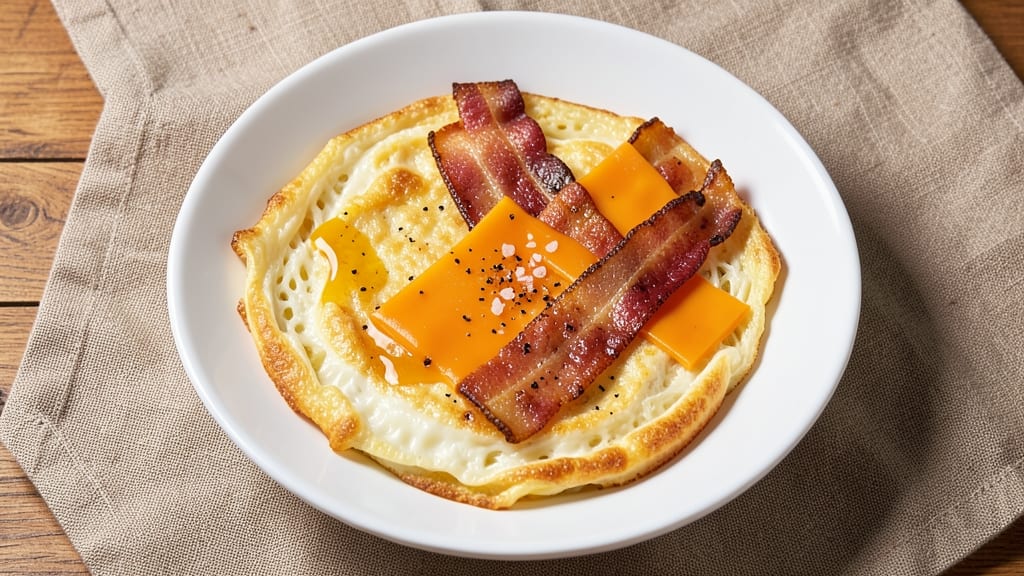
This bacon egg and cheese omelet recipe delivers the perfect balance of crispy edges, stringy cheese pulls, and tender bacon—all in under 15 minutes. The secret lies in high-heat cooking and a precise technique that transforms simple ingredients into a restaurant-worthy breakfast.
I’ve perfected this method after years of testing, ensuring every bite is packed with flavor and texture.
The foundation starts with properly whisked eggs, cooked on medium-high heat until the edges set into a golden crust. Meanwhile, crispy bacon and melted cheese infuse the omelet with savory depth, while the center remains creamy and custardy.
This isn’t just any omelet—it’s a foolproof method that guarantees crispy edges and stringy cheese every time, even for beginners.
What you’ll end up with is a fluffy, golden omelet with layers of crispy bacon, melted cheese that pulls perfectly, and a tender interior. The aroma alone will have everyone at the table anticipating breakfast.
Whether you’re feeding a crowd or treating yourself to a solo meal, this recipe delivers restaurant-quality results at home.
Ready to elevate your morning routine? The best part is the versatility—swap in spinach, herbs, or different cheeses to customize it to your taste. Let’s get cooking!
Ingredients for bacon egg cheese omelet
Six simple ingredients transform into a restaurant-quality breakfast with crispy edges and stringy cheese pulls.
| Ingredient | Amount | Notes |
|---|---|---|
| Large Eggs 🥚 | 6 whole | Room temperature for even cooking |
| Thick-Cut Bacon 🥓 | 6 oz | Center-cut for crispiness |
| Sharp Cheddar Cheese 🧀 | 1 cup | Shredded, aged for best melt |
| Unsalted Butter 🧈 | 2 tbsp | European-style preferred |
| Salt 🧂 | ½ tsp | Kosher or sea salt |
| Black Pepper 🌶️ | ¼ tsp | Freshly cracked preferred |
| Fresh Chives 🌿 | 2 tbsp | Chopped, for garnish |
| All-Purpose Flour 🌾 | 1 tbsp | For egg whisking |
The bacon is non-negotiable for that signature smoky depth. Thick-cut center-cut bacon from Oscar Mayer or Costco delivers the best texture—thin bacon burns before it crisps. For the cheese, sharp cheddar like Cabot or aged Gouda melts beautifully and pulls perfectly. If you're using pre-shredded cheese, pulse it in a food processor to break up the anti-caking agents. The eggs should be large, fresh eggs—they whip up fluffier and hold their shape better. Room temperature eggs prevent uneven cooking, so take them out 10 minutes before starting.
No thick-cut bacon? Regular bacon chopped into 1-inch pieces works in a pinch, but it won't be as crispy. Swap cheddar for Gruyère or Monterey Jack for different flavor profiles. If you're avoiding dairy, nutritional yeast or vegan cheese shreds can mimic the pull, though texture will differ. For extra richness, add 1 tbsp heavy cream to the eggs. Freshly cracked black pepper adds a subtle kick—pre-ground loses potency quickly. The flour is optional but helps stabilize the eggs for a smoother texture when folding.
Cook the bacon first, then set aside on paper towels to drain excess fat. Keep the eggs and cheese at room temperature until ready to use. This omelet reheats beautifully—wrap portions in foil and warm in a 200°F oven for 5-7 minutes. Store leftovers in the fridge for 2 days or freeze for 1 month. For meal prep, cook extra bacon and cheese separately, then assemble omelets fresh. The flavor actually improves the next day as the cheese continues to meld with the eggs.
Why You'll Love This Recipe
- Five-Ingredient Magic: I swear by this combo—eggs, bacon, cheddar, butter, and salt. That’s it. No fancy prep, no stress, just pure, salty, cheesy satisfaction in minutes.
- Crispy-Creamy Balance: The thick-cut bacon gets perfectly rendered while the eggs cook up fluffy inside, and that sharp cheddar? Melts into gooey perfection. It’s the kind of bite that makes you close your eyes.
- Breakfast or Brunch Fix: Make it for a lazy Sunday morning or a quick weeknight dinner—it works both times. Add hot sauce for a kick or keep it classic. Honestly, it’s my go-to when I don’t want to think.
- Budget Breakfast Win: A few eggs, a handful of bacon, and some cheese stretch farther than you’d think. I’ve fed my whole family with leftovers, and they’re still begging for seconds. Not the fanciest, but it gets the job done.
Step-by-step instructions for bacon egg and cheese omelet
Here's how to make omelets with perfectly crisp edges and melty cheese every time.
Prepare the Egg Mixture for Maximum Fluffiness
Crack all 6 whole Large Eggs into a medium bowl and add the 1 tablespoon All-Purpose Flour. Whisk vigorously with a fork or wire whisk until the mixture is completely smooth and no streaks of flour remain. This step ensures a tender, even texture rather than a dense omelet.
Season immediately with 0.5 teaspoon Salt and 0.25 teaspoon Black Pepper, whisking to distribute evenly. Let the mixture sit for 2-3 minutes while you prepare the bacon. Room temperature eggs incorporate air better, which helps create that light, fluffy interior we're after.
Cook the Bacon Until Crispy
Place the 6 ounces Thick-Cut Bacon in a cold, dry skillet over medium-low heat. Cook undisturbed for 5 minutes to render the fat evenly. This low-and-slow approach prevents burning while allowing the bacon to crisp perfectly. After 5 minutes, use tongs to flip the bacon and cook for another 5-6 minutes until the edges are deep golden brown.
Remove the bacon from the skillet and transfer to a paper towel-lined plate. Leave 2 tablespoons of bacon fat in the skillet—this is our cooking medium for the omelet. If you need more fat, add 1 tablespoon Unsalted Butter to the skillet and let it melt completely. The residual bacon fat adds incredible flavor to the omelet.
Cook the Omelet with Perfectly Crisp Edges
Wipe the skillet clean with a paper towel to remove any excess grease, then return it to medium heat. Add 1 tablespoon Unsalted Butter and let it melt, swirling to coat the pan evenly. Pour in ¼ of the egg mixture (about 1½ eggs) and immediately tilt the pan to spread the eggs evenly across the surface.
Cook without stirring for 2-3 minutes until the edges begin to set and the bottom is lightly golden. Here's the trick: when the edges look set and the top is still slightly runny, sprinkle ¼ cup Sharp Cheddar Cheese evenly over one half of the omelet. Let it sit for 30 seconds—this ensures the cheese melts into the egg rather than sitting on top.
Fold and Finish with Stringy Cheese Pulls
Use a spatula to gently fold the empty half of the omelet over the cheese-filled half. Press down lightly to help the cheese melt into the egg. Cook for another 1-2 minutes until the cheese is completely melted and the omelet is fully set. The cheese should have those beautiful stringy pulls when you cut into it.
Transfer the omelet to a warm plate and repeat with the remaining egg mixture, bacon, and cheese. For extra crispiness, you can finish under a broiler for 30-60 seconds—just watch closely to prevent burning. Garnish each omelet with ½ tablespoon chopped Fresh Chives before serving.
Serve Immediately for Maximum Enjoyment
Serve the omelets right away while the cheese is still melty and the edges are crisp. The combination of smoky bacon, sharp cheddar, and fluffy eggs creates a perfect balance of textures and flavors. If you have any leftover bacon fat, drizzle it over the top for an extra layer of richness.
This method ensures crisp edges every time by controlling the heat and using just the right amount of fat. The key to stringy cheese pulls is melting the cheese into the egg rather than placing it on top—this creates that signature texture we all love in a great omelet.
Pro Tips For Making Bacon Egg Cheese Omelet
- CRANK THE HEAT HIGH: That first 30 seconds with the butter in the pan is where flavor happens—get it smoking hot before adding eggs. I used to play it safe with medium heat, and my omelets always tasted bland. Now I let the butter foam and sizzle like it’s auditioning for a role in a food commercial.
- CUT BACON THIN: Thick-cut bacon takes forever to crisp, and you’ll end up with soggy bits in your omelet. Grab kitchen shears and slice each strip in half crosswise—this guarantees even cooking and crispy edges that won’t turn into a greasy mess.
- SALT THE EGGS: Skip salting the eggs? Big mistake. Whisk in a pinch of salt (about ¼ teaspoon per egg) before cooking—it keeps the whites from overcooking into rubber and makes the yolk creamier. Trust me, your taste buds will notice the difference.
- STACK CHEESE LAYERS: Don’t just dump shredded cheddar on top—fold in half the cheese before adding eggs, then sprinkle the rest on top. This ensures every bite has melty, gooey goodness, not just a sad, cheesy top layer. (Yes, it’s a little extra work, but it’s worth it.)
Troubleshooting this recipe
Eggs Too Runny
If your omelet turns out too runny, the heat was likely too low or the eggs weren't cooked long enough. Always use medium-high heat for the initial cook—this creates that golden crust while keeping the center creamy.
I find 12-inch nonstick skillets like All-Clad Stainless work best for even heat distribution. Another trick? Add 1 tablespoon cold water to your egg mixture before whisking—it helps stabilize the proteins for a firmer set. 🔥
Cheese Not Melting
Cheese that refuses to melt usually means it was added too late or the heat wasn't high enough. Sprinkle cheese when the eggs are still slightly runny (about 2 minutes into cooking) and let it sit for 30 seconds before folding.
For extra melt, cover the skillet with a lid for 1 minute to trap steam. I recommend sharp cheddar or Gruyère—they melt beautifully and pull perfectly. If your cheese is pre-shredded, pulse it in a food processor first to break up anti-caking agents.
Bacon Too Greasy
Excessive grease happens when you don't drain the bacon properly or use too much fat in the pan. After cooking, transfer bacon to a paper towel-lined plate and blot with another towel to absorb excess fat.
For the omelet, use only 1 tablespoon butter plus the 2 tablespoons bacon fat that remains in the pan—no more! If your pan feels too greasy, wipe it clean with a paper towel before adding butter. A slotted spoon helps remove excess fat without losing flavor. 🧈
Omelet Sticking
Sticking occurs when the pan isn't hot enough or you're using a nonstick pan that's lost its coating. Always preheat your skillet over medium heat for 2 minutes before adding butter. For nonstick pans, avoid metal utensils—use silicone or rubber spatulas.
If your pan is old, try a well-seasoned cast iron skillet like Lodge for better release. A light coat of oil before adding butter can also help, but don't overdo it—too much fat makes crispy edges impossible.
Uneven Cooking
Uneven cooking usually means your heat isn't consistent or you're stirring too much. Once you pour the eggs, leave them completely alone for the first 2 minutes—no poking or prodding! If your stove has hot spots, use a diffuser disc to even out the heat.
Also, make sure your eggs are at room temperature (they cook more evenly this way). For extra insurance, whisk the eggs vigorously for 30 seconds longer than usual to incorporate more air, which helps create an even texture throughout.
Soggy Edges
Soggy edges happen when you don't cook the omelet long enough or use too much cheese. Let the edges set for 2-3 minutes before adding cheese, then fold immediately. For crispy edges, finish under the broiler for 30 seconds—just watch closely to avoid burning.
Another trick? Sprinkle a pinch of salt on the edges before folding—it helps draw out moisture for a firmer crust. If your edges still feel soft, increase the heat slightly for the final 30 seconds of cooking. ✨
Nutrition facts
Frequently asked questions
Can I make this omelet without butter?
Yes! Use olive oil or avocado oil instead—just heat 1 tablespoon in the skillet until shimmering. For extra flavor, add 1 teaspoon bacon fat to the oil. Avoid vegetable oils with low smoke points, as they can burn easily at high heat.
How do I make this recipe vegetarian?
Swap the bacon for crispy tempeh bacon or smoked tofu strips, and use vegan cheese like Miyoko's or Violife. For extra richness, add 1 tablespoon nutritional yeast to the eggs. Cook the tempeh/tofu the same way as bacon—just monitor closely to avoid burning.
Why does my omelet turn out rubbery?
Overcooking or stirring too much causes rubbery texture. Cook over medium-high heat for 2-3 minutes max before folding, and never stir the eggs—just tilt the pan occasionally. For fluffier results, whisk the eggs with 1 tablespoon cold water before cooking.
Can I make this ahead of time?
Omelets reheat best fresh, but you can prep components ahead: Cook bacon and shred cheese in advance, then store separately. Assemble and cook omelets just before serving. For leftovers, wrap portions in foil and reheat in a 200°F oven for 5-7 minutes—the cheese may lose some pull but stays delicious.
What's the best pan for crispy edges?
A 12-inch nonstick skillet (like All-Clad) or well-seasoned cast iron (like Lodge) works best. Nonstick prevents sticking, while cast iron creates the crispiest edges. Avoid aluminum—it heats unevenly. Always preheat the pan for 2 minutes before adding butter.