
Appetizers
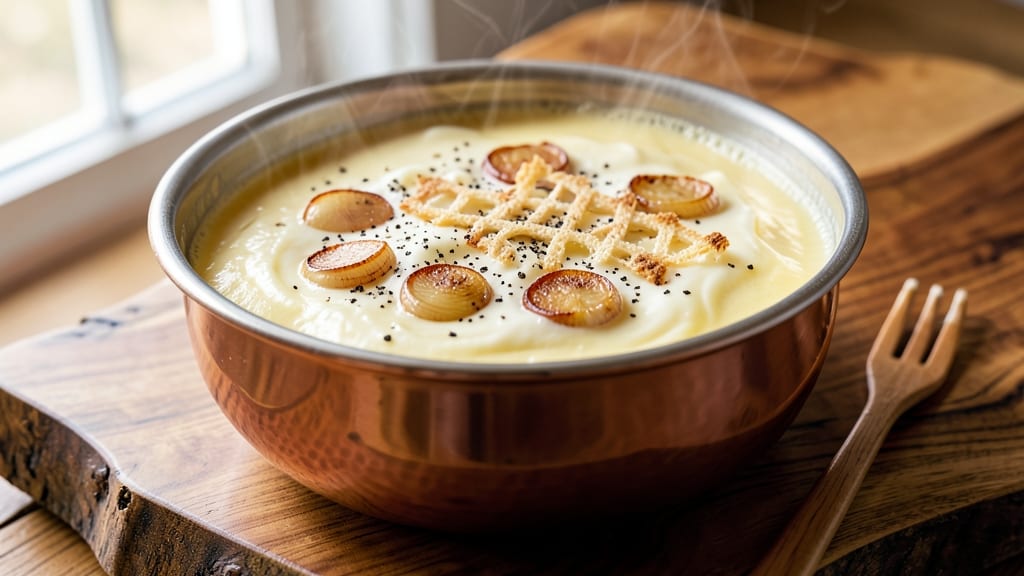
This Asiago cheese fondue recipe transforms simple ingredients into a luxurious, creamy experience that's perfect for gatherings or cozy nights in. The secret lies in proper temperature control—keeping the pot warm enough to maintain that signature stretchy, golden melt while preventing scorching.
I've perfected this technique over years of hosting fondue nights, and it never fails to impress. What sets this recipe apart is the toasted garlic crust that forms on the cheese's surface, adding a savory depth that balances Asiago's nutty sweetness.
The fondue pot setup is straightforward: a heat source that maintains a steady 180-190°F, allowing the cheese to melt smoothly without separating. A splash of white wine enhances the flavor profile while keeping the fondue light and elegant.
By the time you're dipping warm bread, crisp vegetables, or delicate apple slices, you'll experience a cheese that's rich yet smooth, with that perfect elastic pull that makes every bite satisfying. The aroma alone transforms your kitchen into a cozy alpine retreat.
This is comfort food elevated to restaurant-quality status. Serve with an assortment of dippers—from crusty baguettes to marinated vegetables—and watch as everyone reaches for seconds. The beauty of this recipe lies in its simplicity and versatility, making it ideal for both casual weeknight suppers and festive entertaining.
Ingredients for asiago cheese fondue
Six essential ingredients create a velvety Asiago fondue with golden garlic crust and perfect melt.
| Ingredient | Amount | Notes |
|---|---|---|
| Asiago Cheese, Grated 🧀 | 2 cups | Freshly grated, aged 10+ months preferred |
| Garlic Cloves 🧄 | 6 whole | Thinly sliced, peeled |
| Dry White Wine 🍷 | 1 cup | Sauvignon Blanc or Pinot Grigio |
| Unsalted Butter 🧈 | ½ cup | Cold, cubed for even melting |
| All-Purpose Flour 🌾 | 1 tbsp | For thickening if needed |
| Kosher Salt 🧂 | ½ tsp | Diamond Crystal preferred |
| Freshly Ground Black Pepper 🌶️ | ¼ tsp | Freshly cracked preferred |
| Nutmeg, Freshly Grated 🌿 | ¼ tsp | Microplane for fine texture |
| Cornstarch 🌾 | 1 tsp | For smooth consistency |
| Dry Breadcrumbs 🍞 | ½ cup | Panko for crispy dippers |
| Apples, Honeycrisp Variety 🍎 | 1 whole | Sliced into wedges |
| Bell Peppers, Mixed Colors 🌶️ | 1 whole | Sliced into strips |
| Baguette 🍞 | 1 whole | Crusty, sliced into sticks |
| Extra-Virgin Olive Oil 🫒 | ¼ cup | For dipping oil |
The cheese is the foundation—aged Asiago (10+ months) delivers that signature nutty depth. Whole Foods or specialty cheese shops carry the best aged varieties, but look for vibrant color and minimal crumbling when grated. Freshly grated cheese melts more smoothly than pre-shredded, which contains anti-caking agents that can cause separation. The garlic should be freshly sliced—pre-minced garlic lacks the toasted crust development that elevates this dish. For the wine, Sauvignon Blanc or Pinot Grigio work best—their acidity balances the richness without overpowering. If you prefer dry white, Chardonnay is acceptable but may require a splash of lemon juice to maintain brightness.
No white wine? Substitute with apple cider or extra chicken broth—both add acidity without altering the flavor profile. Fresh garlic unavailable? Garlic powder at half the amount works in a pinch, though it won’t develop the same toasted crust. For a dairy-free option, nutritional yeast can replace 20% of the cheese, though texture will differ. The fondue pot itself can be a cast-iron skillet on low heat or a fondue set with adjustable thermostat. If using a skillet, maintain 180-190°F—any hotter and the cheese risks scorching. The cornstarch and flour are insurance policies: mix them into a slurry and add only if the fondue becomes too thin during melting.
Prep dippers ahead to streamline service—slice apples and bell peppers, toast breadcrumbs for extra crunch, and portion olive oil into small bowls. The fondue keeps 2-3 hours at a steady temperature, so plan accordingly. If storing leftovers, cool completely and refrigerate in an airtight container—reheat gently over a double boiler, stirring frequently to restore smoothness. For a make-ahead shortcut, grate the cheese and mix all dry ingredients the night before, then assemble just before serving. The aroma alone will have guests anticipating the first dip.
Why You'll Love This Recipe
- Five-Ingredient Magic: I swear by this combo—just cheese, wine, butter, flour, and garlic. That’s it. No fancy gadgets, no stress, just melt-as-you-go simplicity while the fondue pot does all the work.
- Garlic-Wine Kiss: The white wine cuts through the richness, and those roasted garlic cloves? They infuse the Asiago with this nutty, almost sweet depth that makes every dip unforgettable—like a hug in cheese form.
- Game for Any Gathering: Weeknight snack? Check. Holiday appetizer? Done. Date night with zero effort? Absolutely. It’s the one dish that feels special without requiring a Pinterest-perfect spread.
Step-by-step instructions for Asiago cheese fondue
This method delivers velvety, stretchy fondue with a toasted garlic crust that clings perfectly to every dipper.
Prepare the Garlic-Infused Base
In a heavy-bottomed fondue pot or saucepan, melt the ½ cup unsalted butter over medium-low heat until it foams but doesn't brown. Add the 6 whole garlic cloves, sliced thinly, and cook for 3-4 minutes until they become golden and fragrant—this creates the aromatic foundation.
Remove the garlic slices with a slotted spoon and set aside for garnish. Immediately add the 1 cup dry white wine to the pot, scraping up any browned bits from the bottom. Let it simmer gently for 2-3 minutes until the alcohol aroma dissipates completely—this ensures a smooth, clean flavor profile.
Build the Cheese Emulsion
Reduce heat to low and gradually sprinkle in the 2 cups grated Asiago cheese, stirring constantly with a wooden spoon. The cheese should melt smoothly into the wine-butter mixture, forming a thick, creamy sauce. If the fondue starts to curdle or separate, whisk vigorously for 30 seconds to re-emulsify.
Once fully melted, stir in the ½ tsp kosher salt, ¼ tsp freshly ground black pepper, and ¼ tsp freshly grated nutmeg. The nutmeg adds a subtle warmth that complements the sharpness of the Asiago beautifully. Taste and adjust seasoning—this is your flavor baseline before any other ingredients are added.
Thicken and Stabilize the Fondue
In a small bowl, whisk together the 1 tablespoon all-purpose flour and 1 teaspoon cornstarch. Gradually sprinkle this mixture into the fondue pot while stirring continuously over low heat. The fondue should thicken noticeably within 1-2 minutes, reaching a consistency where it coats the back of a spoon but still flows smoothly.
If the fondue becomes too thick, add 1 tablespoon warm water at a time until it reaches the perfect dipping consistency—it should cling to dippers without dripping excessively. Keep the fondue warm over low heat or transfer to a fondue warmer set to 160-170°F.
Prepare the Dippers and Garnishes
Slice the 1 whole baguette into ½-inch thick sticks and toast them lightly in a 375°F oven for 3-4 minutes until just crisp. Slice the 1 whole Honeycrisp apple into wedges and the 1 whole bell pepper into ½-inch thick strips. Arrange these on a platter with the reserved toasted garlic slices and ½ cup dry breadcrumbs for dipping.
For the olive oil dip, whisk together the ¼ cup extra-virgin olive oil with a pinch of kosher salt in a small bowl. This adds a refreshing contrast to the rich fondue. Serve all components family-style with the warm fondue at the center.
Serve and Maintain Temperature
Invite guests to dip their bread, apple slices, and bell pepper strips into the fondue using long fondue forks. The cheese should stretch slightly when pulled from the pot, forming delicate strands that cling beautifully to each dipper. If the fondue begins to thicken during serving, thin it with warm water or white wine as needed.
To maintain optimal temperature, keep the fondue pot over a low flame or use a fondue warmer set to 160-170°F. Never let it boil or it will curdle. The ideal serving temperature is when the fondue remains smooth and creamy without being runny—this ensures each bite delivers that perfect balance of texture and flavor.
Pro Tips For Making Asiago Cheese Fondue
- Melt Slow, Stir Constant: Start your fondue on medium-low heat—if you rush it, the cheese will seize up and turn grainy. I learned this the hard way after scraping clumps off my fondue pot for 10 minutes. Keep stirring every 30 seconds once it hits the pot, especially after the roux forms.
- Toast the Garlic: Smash those garlic cloves with the flat side of your knife first, then sauté them in butter until they’re golden—not brown. This adds depth without bitterness, and skipping it means your fondue will taste flat. (Yes, even if you’re impatient like me.)
- Wine First, Then Cheese: Deglaze the pot with wine before adding the cheese—this stops the butter from burning and keeps the fondue silky. I used to add cheese first and ended up with a lumpy mess every time. Pour the wine, scrape up those browned bits, then let it reduce by half.
- Grate Your Own Asiago: Pre-shredded cheese has starch added to prevent clumping, which ruins fondue texture. Take 5 minutes to grate your own—it’s not a big deal, and the result is worth it. If you’re short on time, buy a block and grate it yourself the night before.
Troubleshooting perfect results
Cheese Separation Fix
If your fondue starts separating or curdling, immediately whisk vigorously for 30 seconds to re-emulsify. The most common cause is adding cheese too quickly or heating too aggressively. For stubborn separation, remove from heat, stir in 1 teaspoon cold water, then return to low heat while stirring constantly.
I’ve found that pre-whisking the flour and cornstarch into a slurry before adding prevents this entirely. 🌡️
Temperature Troubles
Fondue that’s too thin? Your pot is likely too hot—ideal temperature is 160-170°F. If it’s too thick, the heat is too low or you over-thickened it. Use a fondue warmer or place the pot over a low flame with a candle warmer underneath for precise control.
I keep a thermometer in my fondue pot at all times to avoid guesswork.
Garlic Burnt or Bitter
Overcooking garlic turns it bitter and burns its delicate flavor. Cook sliced garlic in butter for no more than 3-4 minutes—just until golden. Remove immediately when fragrant.
For extra safety, add ½ teaspoon lemon juice to the wine to balance any bitterness. Fresh garlic should smell sweet and pungent, not sharp or acrid.
Fondue Too Runny
Runny fondue usually means one of two things: either the heat is too high or you didn’t thicken enough. If it’s still too thin after adding the flour-cornstarch slurry, let it cool slightly, then whisk in ½ teaspoon cornstarch mixed with 1 tablespoon cold water.
Simmer gently for 1-2 minutes to thicken. Never rush this—rushing causes lumps.
Dippers Not Clinging
If cheese isn’t sticking to dippers, your fondue is either too thin or too hot. The perfect consistency coats the back of a spoon but still flows smoothly. For extra cling, add 1 tablespoon breadcrumbs to the fondue and stir until absorbed.
I also recommend lightly toasting dippers—crispy bread or roasted veggies create better adhesion than raw surfaces.
Wine Overpowering
If the wine flavor dominates, you’ve likely used too much or a bold variety. For a more balanced fondue, reduce wine to ½ cup and add ½ cup warm chicken broth instead. If using a stronger white like Chardonnay, add ½ teaspoon lemon juice to brighten the flavor.
Always let the wine simmer for 2-3 minutes to burn off harsh alcohol notes before adding cheese. 🍷
Nutrition facts
Frequently asked questions about Asiago cheese fondue
Can I make this fondue without wine?
Replace the 1 cup dry white wine with ½ cup apple cider or ½ cup warm chicken broth for a non-alcoholic version. Both add acidity to balance the richness while keeping the fondue smooth and creamy. The broth option works especially well if you're serving this as a vegetarian appetizer for a broader crowd.
What's the best way to keep the fondue warm for serving?
Use a fondue warmer set to 160-170°F for perfect temperature control. If you don't have one, place the pot over a low flame with a candle warmer underneath—this creates a gentle, even heat. Never let it boil, as this causes separation. For extra insurance, keep a small pot of hot water nearby to reheat if needed.
How do I prevent the fondue from getting grainy?
Always use freshly grated Asiago cheese—pre-shredded contains anti-caking agents that cause separation. Grate it yourself with a microplane or box grater right before melting. Also, add cheese gradually while stirring constantly over low heat. If it starts to curdle, whisk vigorously for 30 seconds to re-emulsify.
What are the best dippers besides bread?
Try crispy apple slices, roasted bell pepper strips, or marinated artichoke hearts for fresh, flavorful options. For protein, add grilled chicken skewers or prosciutto crisps. Even pretzel bites or sweet potato fries work beautifully—just ensure they're dry to help the cheese cling. The key is contrast in texture!
Can I make this fondue ahead of time?
Yes! Prep everything except the cheese: mix the butter, wine, flour, and spices in the pot and refrigerate overnight. When ready to serve, reheat gently over low heat while stirring in the freshly grated cheese. For a shortcut, grate the cheese and mix all dry ingredients the night before, then assemble just before serving. The aroma alone will have guests excited to dip!