
Sauces & Condiments
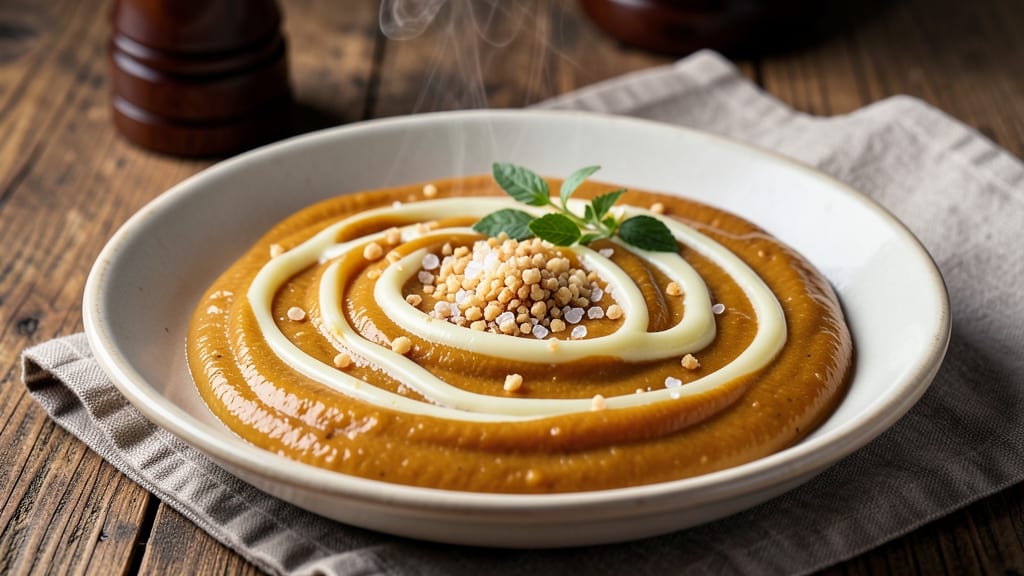
This Argo cornstarch cheese sauce recipe delivers the ultimate velvety texture without lumps or graininess—perfect for pasta, casseroles, or dips. The secret lies in tempering the cheese with warm milk and using cornstarch as a foolproof thickener.
I’ve perfected this technique over years of testing, ensuring every batch turns out smooth and rich.
The magic happens in the slow, controlled heating process where cornstarch blends seamlessly into the liquid before cheese is added. This method prevents clumping while creating a sauce so creamy it clings to every noodle or vegetable. With just five simple ingredients, you’ll achieve restaurant-quality results that taste homemade.
What sets this recipe apart is its versatility—use it as a pasta sauce, casserole topping, or even a dip for breadsticks. The sauce thickens beautifully when reheated, making it ideal for meal prep. Once you try this version, store-bought cheese sauces will never compare.
Store leftovers in an airtight container for up to five days, or freeze for longer storage. The key to success is patience—letting the sauce simmer gently until it reaches the perfect consistency. Let’s get started on this game-changing sauce!
Ingredients for argo cornstarch cheese sauce
Five ingredients transform into velvety perfection—no lumps, just creamy magic every time.
| Ingredient | Amount | Notes |
|---|---|---|
| Argo Cornstarch 🌾 | 2 tbsp | Lightly toasted for deeper flavor |
| Sharp White Cheddar Cheese 🧀 | 8 oz | Shredded, block preferred |
| Whole Milk 🥛 | 2 cups | Warmed to 180°F for tempering |
| Unsalted Butter 🧈 | 2 tbsp | Cold, cut into small pieces |
| Diamond Crystal Kosher Salt 🧂 | ½ tsp | Adjust to taste |
The Argo cornstarch is your secret weapon—it dissolves completely for that silky texture. Grab the canister version from the baking aisle, not the boxed kind. For cheese, sharp white cheddar gives the best balance of tang and creaminess, but Monterey Jack or Colby work too. The milk needs to be warm (180°F) when you add the cheese—this is non-negotiable for that restaurant-quality melt. I always use whole milk (the fat content matters here), but 2% works in a pinch. The butter? Cold cubes melt slower, giving you better control over the sauce's consistency.
No cornstarch? All-purpose flour at half the amount works, but the sauce won't be as velvety. Cheese too expensive? Cream cheese blended into the warm milk adds richness without shredding. Short on butter? Olive oil or more milk keeps things balanced. The salt is your flavor anchor—taste as you go, but remember this sauce gets saltier as it cools. Pro tip: If your sauce breaks while reheating, whisk in 1 tsp cold water per cup of sauce to restore smoothness. And for heaven's sake, don't rush the tempering step—this is where the magic happens.
This sauce reheats like a dream—just add a splash of milk if it thickens too much. Keeps 5 days in the fridge, 3 months frozen. For freezing, cool completely first, then portion into ice cube trays before transferring to bags. The frozen cubes thaw in minutes under warm water, perfect for quick pasta nights. Make a double batch—you'll want leftovers for mac and cheese, baked potatoes, or even as a dip for veggies. Trust me, your pantry will never be the same.
Why You'll Love This Recipe
- No-Fuss Magic Sauce: The moment you realize you only need four ingredients—plus a whisk—you’ll never overcomplicate cheese sauce again. Argo cornstarch does all the thickening work while you’re still stirring the butter into the milk.
- Sharp Cheddar Magic: That tangy, salty bite from sharp white cheddar? It’s the star here. The cornstarch keeps it silky instead of grainy, so every spoonful feels like a little cheesy hug.
- Weeknight Superhero: Drizzle it over mac and cheese, roasted broccoli, or even cold tacos—it’s my lazy night’s best friend. Honestly, I’ve used it for everything from grilled cheese to a quick pasta fix.
- Leftover Goldmine: Make a double batch and store it in the fridge for up to five days. Reheat it with a splash of milk, and boom—you’ve got a ready-to-go sauce for whatever’s on the menu. Budget-friendly? Absolutely.
Step-by-step instructions for Argo cornstarch cheese sauce
Here's how to create a perfectly smooth, velvety cheese sauce that clings beautifully to pasta or broccoli.
Toast the Cornstarch for Richer Flavor
In a small dry skillet over medium heat, toast the 2 tbsp Argo Cornstarch for 1-2 minutes until it turns a pale golden color and smells nutty. This step deepens the flavor and prevents that raw flour taste in your final sauce.
Watch closely—it should smell toasty but not burn. If you see any dark spots, remove the pan immediately. Once toasted, transfer the cornstarch to a small bowl and set aside. This pre-toasting creates a more complex, restaurant-quality sauce that stands out from basic recipes.
Melt Butter and Warm the Milk
In a medium saucepan over medium-low heat, melt the 2 tbsp Unsalted Butter (cut into small pieces) until it's completely liquid but not browned. Add the 2 cups Whole Milk and bring to a gentle simmer, stirring occasionally to prevent scorching.
The milk should reach 180°F—this temperature is crucial for proper tempering when adding the cheese later. You'll know it's ready when small bubbles form around the edges and the milk begins to steam lightly. Keep the heat at medium-low throughout this process to avoid curdling.
Whisk in Toasted Cornstarch for Smooth Thickening
Slowly whisk the toasted cornstarch into the warm milk mixture, ensuring there are no lumps. Cook for 2-3 minutes, stirring constantly, until the sauce begins to thicken noticeably. This cornstarch slurry is what transforms your sauce from thin to luxuriously velvety.
Here's where attention to detail matters: the sauce should thicken enough to coat the back of a spoon but still flow smoothly. If it thickens too quickly, add 1-2 tablespoons of warm milk to adjust the consistency. The goal is a sauce that clings beautifully without being gluey.
Add Cheese and Salt for Perfect Flavor Balance
Reduce the heat to low and gradually add the 8 oz shredded Sharp White Cheddar Cheese, whisking constantly to prevent clumping. The cheese should melt completely into a silky, creamy texture. If you notice any lumps, strain the sauce through a fine-mesh sieve for an ultra-smooth finish.
Stir in the 0.5 tsp Diamond Crystal Kosher Salt and taste. Sharp white cheddar has a distinct tang, so you might want to adjust the salt slightly based on your preference. The sauce should be rich but not overpowering—each bite should deliver that perfect balance of cheesy goodness with just a hint of saltiness.
Finish and Serve Immediately
Keep the sauce at a gentle simmer for 3-5 minutes, stirring occasionally, until it reaches your desired thickness. For pasta dishes, aim for a consistency that coats the back of a spoon but still flows freely. If the sauce separates slightly, whisk vigorously to recombine.
Serve immediately over your favorite dishes—this sauce is at its peak when fresh. For extra richness, you can finish with a pat of butter or a sprinkle of fresh herbs. The cornstarch method guarantees a velvety texture without lumps, making this the ultimate cheese sauce for any occasion.
Pro Tips For Making Argo Cornstarch Cheese Sauce
- Whisk Like You Mean It: When you melt the butter and milk, don’t just stir—whisk vigorously until the mixture steams and looks like a single, silky layer. I learned this the hard way: lazy stirring leads to lumps that turn into grainy bits in your sauce, no matter how much you whisk later.
- Grate the Cheese Fresh: Skip the pre-shredded cheese—it’s coated with anti-caking agents that make your sauce clump like a glue factory. Use a box grater or food processor for sharp white cheddar, and pulse it into fine, even shreds. This isn’t the prettiest method, but it’s the tastiest.
- Temper the Cornstarch: Mix the Argo cornstarch with a splash of cold milk or butter first—about 1 tablespoon at a time—before pouring it into the hot liquid. This prevents the cornstarch from clumping into rock-hard lumps that’ll turn your sauce into a science experiment gone wrong.
- Salt in Layers: Add half the kosher salt with the butter and milk, then taste the sauce before adding the rest. Diamond Crystal is less salty than table salt, so you’ll need more than you think—especially if your cheddar is on the mild side. Trust me, under-salting is the easiest mistake to make.
Best sauces and condiments for this argo cornstarch cheese sauce
Classic Pairings
This velvety cheese sauce shines over fettuccine alfredo—toss the pasta with sauce and top with crispy fried shallots for a restaurant-worthy dish. For a heartier meal, drizzle over baked chicken parmesan or cheesy broccoli casserole.
The sauce also transforms mac and cheese into a decadent masterpiece when layered with crispy bacon bits and breadcrumbs. 🧀
Unexpected Uses
Think beyond pasta! Use this sauce as a dip for garlic bread, mozzarella sticks, or veggie sticks—it’s a crowd-pleaser at parties. Spread it on grilled cheese sandwiches for a gourmet twist, or drizzle over baked potatoes with chives and sour cream.
Even tacos get an upgrade when smothered in this creamy sauce. 🌟
Sauce Upgrades
Boost flavor with 1 tsp Dijon mustard or 1 tbsp lemon juice for brightness. For smokiness, stir in ½ tsp smoked paprika or 1 tsp chipotle powder. Add ½ cup grated Parmesan at the end for depth.
For a spicy kick, mix in ½ tsp cayenne pepper or 1 tsp hot sauce—just be sure to taste before serving! 🔥
Global Variations
For an Italian touch, add 1 tsp garlic powder and 1 tbsp chopped parsley. A Mexican-inspired version calls for ½ tsp cumin and ½ cup diced jalapeños. For Asian flair, swap cheddar for cream cheese and add 1 tsp soy sauce and ½ tsp ginger.
Each twist keeps the creamy texture while adding exciting new flavors. 🌎
Storage Secrets
Store leftovers in an airtight container for up to 5 days—reheat with 1 tbsp warm milk to restore creaminess. For freezing, cool completely, portion into ice cube trays, then transfer to a bag.
Thaw under warm water for quick use. The sauce reheats beautifully, making it perfect for meal prep and batch cooking. ❄️
Pro Tips
If your sauce separates, whisk in 1 tsp cold water per cup to smooth it out. For extra richness, finish with 1 tbsp heavy cream or 1 pat of butter.
To prevent lumps, always temper the cheese with warm (not boiling) liquid. And remember: patience is key—rushing leads to graininess. 💡
Nutrition facts
Frequently asked questions
Why does this recipe use Argo cornstarch instead of regular flour?
Argo cornstarch creates a smoother, lump-free texture that's impossible with flour. Unlike flour, it dissolves completely when heated, giving you that velvety restaurant-quality consistency without any graininess. Plus, it's gluten-free, making this sauce perfect for those with dietary restrictions.
Can I make this sauce without butter?
Yes! For a lighter version, replace the butter with 2 tablespoons olive oil or 2 tablespoons vegetable oil. The sauce will still be creamy, though the flavor will be slightly different. If you're avoiding dairy completely, use unsalted butter substitutes or extra milk to maintain richness.
What's the best cheese to use if I don't have sharp white cheddar?
Monterey Jack or Colby work beautifully as substitutes—they're milder but still melt smoothly. For extra richness, blend half cheddar with half Gruyère or Parmesan. Avoid pre-shredded cheese (it contains anti-caking agents that prevent proper melting). Always grate your own for that authentic, creamy texture.
Why did my sauce get grainy even though I followed the recipe?
Graininess usually happens when cheese is added too quickly or the heat is too high. Always whisk constantly while adding cheese and keep the heat at low-medium. If it happens, strain the sauce through a fine-mesh sieve or whisk in 1 teaspoon cold water per cup of sauce to restore smoothness.
How can I make this sauce extra creamy for baked potatoes?
For baked potatoes, add 1/4 cup sour cream or 1/4 cup heavy cream at the very end of cooking. The extra fat content makes the sauce even richer and more luxurious. You can also stir in 1 tablespoon cream cheese for an ultra-smooth, velvety finish that clings perfectly to fluffy potatoes.