
Side Dishes
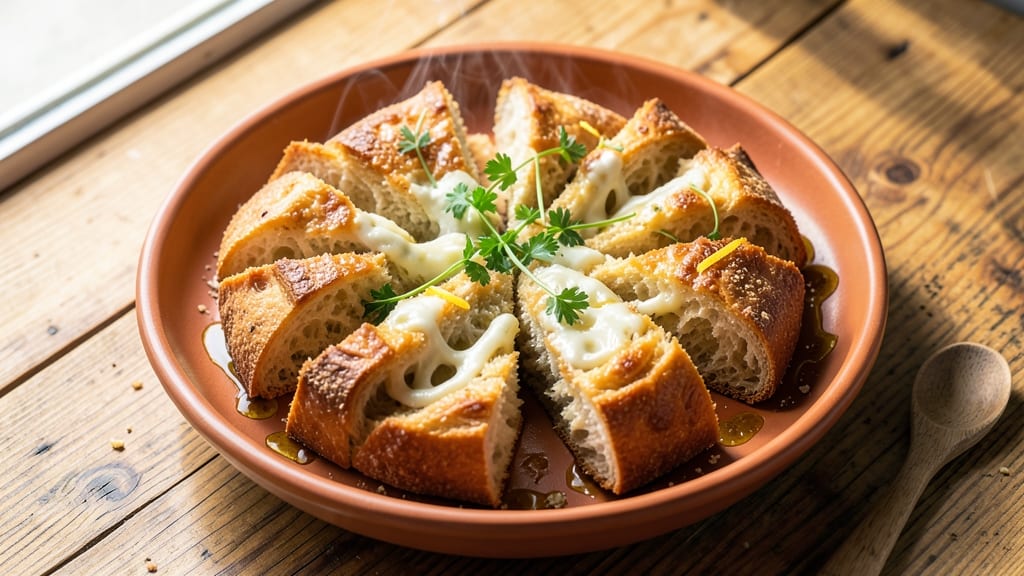
This Arabic cheese bread recipe brings the golden, crispy edges and melty Akkawi cheese of Middle Eastern bakery classics straight to your kitchen. The secret lies in a simple yet sturdy dough infused with za'atar, baked until the crust crackles with each bite while the cheese inside becomes irresistibly stretchy.
I've perfected this version after years of testing—no special equipment needed, just patience and high heat to recreate that authentic taboon oven experience at home.
The dough starts with basic ingredients—flour, yeast, and a touch of sugar—but the magic happens in the shaping and baking. Rolling the dough thin ensures that crispy crust we all crave, while the Akkawi cheese (or substitute like mozzarella) melts into gooey perfection.
The za'atar seasoning isn't just for flavor; it adds that signature nutty, herby aroma that makes this bread unforgettable. Even better, it pairs perfectly with labneh, hummus, or a simple olive oil drizzle for dipping.
What makes this recipe truly special is how it transforms a simple dough into something restaurant-quality with minimal effort. The key is baking it hot enough—either in your home oven or on a pizza stone—to achieve that signature crackly crust while keeping the cheese inside perfectly melty.
Every bite delivers that satisfying contrast of textures: crispy, chewy, and gooey all at once. It’s the kind of bread that disappears faster than you can say "manakish."
Once you try this version, you’ll never settle for store-bought again. The best part? It’s just as delicious warm as it is at room temperature, making it perfect for meal prep or serving at gatherings. Let’s get started on creating your own crispy, cheesy masterpiece.
Ingredients for arabic cheese bread
Eight simple ingredients transform into restaurant-quality Arabic cheese bread with crispy za'atar edges and melty cheese inside.
| Ingredient | Amount | Notes |
|---|---|---|
| All-Purpose Flour 🌾 | 4 cups | Spooned and leveled for accuracy |
| Active Dry Yeast 🍞 | ¼ tsp | Ensure it's fresh (test in warm water) |
| Granulated Sugar 🍚 | 1 tbsp | For yeast activation |
| Warm Water 💧 | 1 cup | 110°F (43°C) ideal for yeast |
| Olive Oil 🫒 | ¼ cup | Extra-virgin for authentic flavor |
| Salt 🧂 | 1 tsp | Diamond Crystal preferred |
| Za'atar Seasoning 🌿 | 2 tbsp | Authentic Middle Eastern blend |
| Akkawi Cheese 🧀 | 1 ½ cups | Shredded, or mozzarella substitute |
| Sesame Seeds 🌱 | 2 tbsp | Toasted for extra crunch |
| Sesame Oil 🫒 | 1 tbsp | For brushing before baking |
| Cornmeal 🌽 | ½ cup | For dusting baking surface |
Za'atar is the soul of this bread—Middle Eastern markets carry the best blends, but Trader Joe's has a solid version too. Look for a mix with sesame seeds, sumac, and oregano. The Akkawi cheese is tricky to find outside specialty stores, so mozzarella works perfectly if you can't locate it. For the flour, King Arthur or Gold Medal brands bake consistently. The sesame seeds should be toasted in a dry pan for 2 minutes before using—they add that nutty crunch we all love. If you're short on time, pre-shredded cheese (the good stuff, not the pre-moistened kind) saves steps, but freshly grated melts better.
No za'atar? Mix 2 tbsp sesame seeds, 1 tbsp sumac, 1 tsp dried oregano, and 1/2 tsp salt for a quick substitute. Running out of Akkawi? Fontina or provolone stretch beautifully when melted. The sesame oil can be swapped for regular olive oil, but it adds that signature aroma. For a gluten-free version, substitute 3 cups gluten-free flour blend (add 1 extra tbsp xanthan gum)—just know the texture will be slightly denser. The yeast must be active, so test it in warm water with a pinch of sugar before mixing. If it foams within 5 minutes, it's good to go.
This dough keeps in the fridge for 24 hours wrapped tightly in plastic, or 3 months frozen between parchment paper. The baked bread stays fresh for 2 days at room temperature in a bread bag, but reheats beautifully in a 350°F oven for 5 minutes. For extra crispiness, brush the cooled bread with melted butter and sprinkle more sesame seeds. Store leftovers in an airtight container—it disappears fast, so portion accordingly.
Why You'll Love This Recipe
- No-Yeast Struggle: I’ve made this dough wrong more times than I’ll admit—skipping the knead, rushing the rise—but even my lazy attempts turn out fine. The yeast and sugar combo does most of the work while I sip tea, and honestly? That’s a win.
- Cheese Pull Magic: The moment you stretch that dough thin and watch the cheese melt into golden, stretchy strands? It’s like a party in your mouth. No fancy ingredients—just flour, olive oil, and that salty pull that makes every bite worth the effort.
- Weeknight Hero: Between us, this is my go-to when I’m too tired to think. Toss it in the oven while dinner simmers, or serve it straight from the pan when friends drop by. It’s the kind of thing that disappears faster than my willpower on a bad day.
- Pantry Staple Power: Flour, yeast, sugar, oil—you’re already halfway there. I’ve made this for breakfast, lunch, and even as a side for grilled meats, and it never lets me down. Plus, leftovers? Toast them the next day, and suddenly you’ve got crispy, cheesy croutons.
Step-by-step instructions for Arabic cheese bread
Let's create this golden, za'atar-kissed bread with gooey Akkawi cheese—every bite will be crispy outside, creamy inside.
Activate the Yeast for Perfect Rise
In a small bowl, whisk together the 1 cup warm water (about 110°F), 1 tbsp granulated sugar, and 0.25 tsp active dry yeast. Let it sit for 5-10 minutes until it becomes frothy—this means your yeast is alive and ready to work. If it doesn't bubble, your yeast might be old, and you'll need to start over.
I always test my yeast this way first. The sugar feeds the yeast, and the warmth activates it. If you're unsure about your yeast, drop a pinch into warm water with sugar—if it bubbles within 5 minutes, it's good to go.
Mix the Dough Until Smooth
In a large bowl, combine the 4 cups all-purpose flour and 1 tsp salt. Make a well in the center and pour in the yeast mixture along with the 0.25 cup olive oil. Using a wooden spoon or your hands, mix until a shaggy dough forms—this should take about 2-3 minutes of stirring.
Once the dough starts coming together, turn it out onto a lightly floured surface and knead for 5-7 minutes until smooth and elastic. You'll know it's ready when it springs back slowly when poked. If it feels sticky, add just a little more flour—about 1-2 tablespoons—but don't overdo it, or your bread will be dense.
Let the Dough Rise Until Doubled
Place the dough back in the bowl, cover it loosely with a damp towel or plastic wrap, and let it rise in a warm spot for 1-2 hours until it has doubled in size. I like to put my oven on its lowest setting (170°F) with a bowl of hot water inside to create a warm, humid environment—this helps the dough rise faster and more evenly.
Don't rush this step. A proper rise gives you that light, airy texture we're after. You'll see the dough puff up and look puffy all over. Gently press your finger into the dough—if it leaves a slow, gentle indent, it's ready. If it springs back quickly, give it more time.
Shape and Add Cheese for Maximum Gooeyness
Punch down the risen dough to release any air bubbles, then turn it out onto a lightly floured surface. Divide it into 8 equal pieces (about 1.5 ounces each) and roll each piece into a smooth ball. Place them on a baking sheet lined with parchment paper, spacing them about 2 inches apart—they'll expand as they bake.
Here's where the magic happens: press a small indentation into the center of each ball and stuff it with about 1 tablespoon of shredded Akkawi cheese. This creates that signature gooey center. Sprinkle the tops with 1 tbsp za'atar seasoning and 1 tbsp sesame seeds for that authentic Middle Eastern flavor. Cover loosely and let them rest for 15-20 minutes while you preheat the oven.
Bake Until Golden and Crispy
Preheat your oven to 375°F. Once the oven is hot, brush the tops of the dough balls with 1 tbsp sesame oil—this adds extra flavor and helps create that crispy crust. Bake for 18-22 minutes until the bread is golden brown and sounds hollow when tapped on the bottom.
I know it seems like a long time, but patience is key here. The bread needs time to develop that perfect crispy exterior while keeping the cheese melty inside. If the tops brown too quickly, tent them loosely with foil for the last 5 minutes of baking.
Dust with Cornmeal for Extra Crunch
Remove the bread from the oven and immediately sprinkle the tops with 0.5 cup cornmeal while they're still hot. This gives that extra crunchy texture that makes this bread so special. Let them cool on the baking sheet for 5 minutes before transferring to a wire rack—this keeps them crispy instead of turning soggy.
Serve warm with extra za'atar seasoning or a side of hummus. The contrast of the crispy crust, creamy cheese, and nutty za'atar is what makes this bread unforgettable. Enjoy immediately—they're best fresh out of the oven!
Pro Tips For Making Arabic Cheese Bread
- STRETCH THE DOUGH LONG: The dough for Arabic cheese bread needs time to relax—don’t rush it. After kneading, let it rise twice (first 1-2 hours, then another 30-60 minutes after shaping) for that signature tender, airy texture. I used to skip the second rise, and the bread always felt dense.
- USE WARM (NOT HOT) OIL: Olive oil straight from the fridge will shock your yeast. Warm it to room temperature—just enough so it’s liquid but not hot to the touch. Cold oil slows fermentation, and hot oil kills the yeast before it even gets to work.
- SALT THE WATER: You’re mixing yeast, sugar, and water—salt it first. A pinch (½ tsp) in the water helps control yeast activity and balances the sweetness later. I learned this after a batch rose too fast and collapsed like a sad soufflé.
- STEAM THE FIRST 5 MINUTES: Preheat your oven with a metal tray on the bottom rack, then add a cup of water when you bake. The steam locks in moisture for the first critical minutes—no more dry, crackly crusts. (Yes, even if you’re impatient like me.)
Best sauces and condiments for this arabic cheese bread
Za'atar Oil Drizzle
Elevate your Arabic cheese bread with a za'atar oil drizzle—simply mix 2 tbsp extra-virgin olive oil with 1 tbsp za'atar seasoning and a pinch of flaky sea salt.
Warm the oil slightly, then drizzle generously over the baked bread just before serving. This adds an extra layer of nutty, herby depth that complements the crispy crust perfectly. 🌿
Spicy Harissa Spread
For a bold, spicy kick, serve your cheese bread with a harissa spread. Mix 2 tbsp harissa paste (like Bella brand) with 1 tbsp tahini and 1 tbsp lemon juice until smooth. Spread a thin layer on warm bread slices for a fiery contrast to the creamy cheese.
This pairing is a hit at Middle Eastern cafés and adds a vibrant red color that makes your bread look even more inviting.
Garlic Yogurt Dip
A garlic yogurt dip is the ultimate companion to Arabic cheese bread. Whisk together 1 cup plain Greek yogurt, 1 minced garlic clove, 1 tbsp lemon juice, and ½ tsp salt. For extra flavor, add 1 tsp chopped fresh dill or 1 tbsp olive oil.
The cool, tangy yogurt balances the richness of the cheese, and the garlic adds a savory punch that cuts through the bread’s crispiness.
Date Syrup Glaze
For a sweet-savory twist, brush warm bread with date syrup (like Al Wadi brand) mixed with a splash of orange blossom water. The natural sweetness of the syrup enhances the za'atar’s earthiness while adding a floral aroma.
Drizzle lightly over the bread or use it as a dip for a dessert-like finish. This is especially popular during Ramadan but works year-round.
Smoky Sumac Vinaigrette
Create a smoky sumac vinaigrette by whisking 3 tbsp olive oil, 1 tbsp red wine vinegar, 1 tsp sumac, and ½ tsp smoked paprika. Drizzle over sliced bread or use it to moisten a wrap.
The tangy, citrusy notes of sumac brighten the dish, while the smokiness adds depth that pairs beautifully with the za'atar’s herbal profile. 💫
Warm Honey and Tahini
Heat 2 tbsp tahini with 1 tbsp honey and a pinch of cayenne pepper until smooth. Drizzle this sweet-spicy mixture over warm bread or use it as a dip.
The tahini adds creaminess, while the honey balances the bread’s savory flavors. This combination is a classic in Levantine cuisine and works wonderfully with the melty cheese inside.
Nutrition facts
Frequently asked questions
Can I make this Arabic cheese bread without za'atar?
If you can't find za'atar, mix 2 tbsp sesame seeds, 1 tbsp sumac, 1 tsp dried oregano, and ½ tsp salt for a quick substitute. The bread will still taste delicious, though the authentic nutty, herby flavor will be slightly different.
What’s the best cheese substitute for Akkawi?
Akkawi is hard to find outside specialty stores, but mozzarella (especially shredded) works perfectly—it melts beautifully and stretches nicely. For extra richness, try fontina or provolone, which add a deeper flavor. Avoid pre-shredded cheese with anti-caking agents, as it won’t melt as smoothly.
How do I get the crust extra crispy like bakery bread?
The secret is baking on a pizza stone or steel at 425°F for the last 5-7 minutes of baking. Preheat the stone in the oven for at least 30 minutes before baking. For even more crispiness, brush the tops with sesame oil right before baking and sprinkle with extra sesame seeds or cornmeal.
Can I make this bread ahead of time?
Yes! The dough can be refrigerated for 24 hours or frozen for 3 months (wrap tightly in plastic). Baked bread stays fresh for 2 days at room temperature in a bread bag, but reheat in a 350°F oven for 5 minutes to restore crispiness. For best results, bake fresh—this bread is even better warm!
Why did my cheese bread turn out dense instead of crispy?
Dense bread usually means the dough didn’t rise enough or was overworked. Ensure your yeast is active (test in warm water first) and let the dough rise in a warm spot until doubled. Also, avoid over-kneading—stop when the dough springs back slowly when poked. For extra crispiness, bake on a pizza stone and brush with oil before baking.