
Appetizers
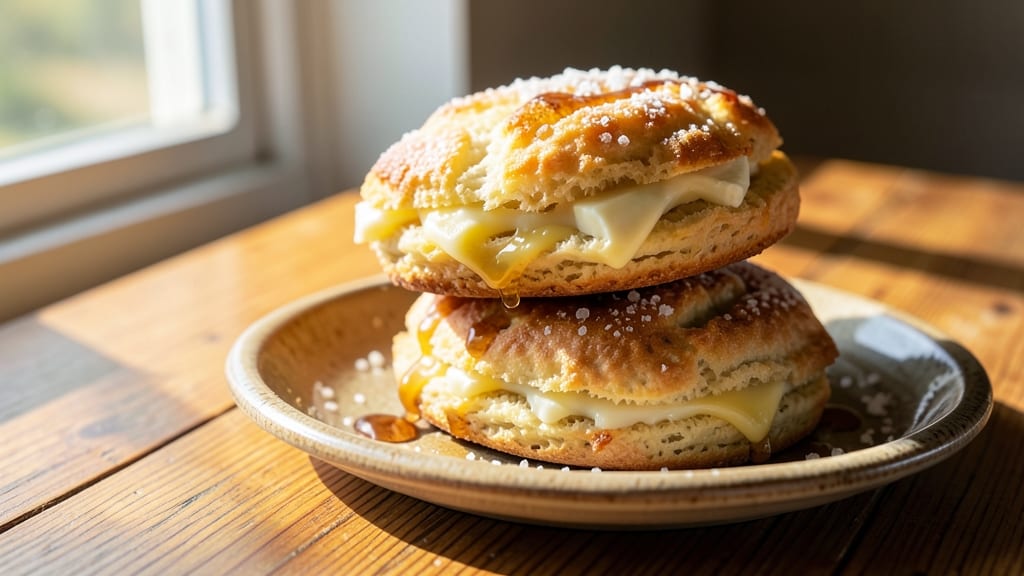
Anne's Charleston cheese biscuits recipe delivers the crispy, flaky layers and pull-apart magic that define Southern comfort food. The secret lies in cold butter cut into flour and buttermilk's tenderizing power—a technique perfected in Charleston's kitchens for generations.
This isn't just a biscuit; it's a celebration of texture and tradition that transforms any meal into an event.
The recipe begins with a simple yet precise method: cutting cold butter into flour until pea-sized crumbs form, then gently folding in buttermilk for a light, airy dough. The key to those signature crispy layers is minimal handling—overmixing destroys the flakiness.
Baking at the right temperature ensures golden tops while keeping the centers tender, with just enough cheese to bind without overwhelming the buttery flavor.
What makes these biscuits special is how they behave—pull-apart perfection that reveals crispy edges and a melt-in-your-mouth interior with every bite. The aroma alone will have your kitchen smelling like a Charleston café, while the texture delivers that satisfying contrast between crisp and tender.
This is the biscuit recipe that elevates breakfast, brunch, or any meal from ordinary to extraordinary.
Perfect for feeding a crowd or enjoying with gravy and sausage, these biscuits are a testament to Southern hospitality. The technique is straightforward, but the results are restaurant-quality—foolproof once you master the butter-flour ratio. Let's get started on creating your own batch of Charleston's most beloved biscuits.
Ingredients for anne's charleston cheese biscuits
Twelve ingredients transform into Charleston's legendary crispy, pull-apart biscuits—where technique matters more than complexity.
| Ingredient | Amount | Notes |
|---|---|---|
| All-Purpose Flour 🌾 | 4 cups | Unbleached, spooned and leveled |
| Cold Unsalted Butter 🧈 | 1 cup | Cut into 1/2-inch cubes, frozen 15 mins |
| Sharp White Cheddar Cheese 🧀 | 1 cup | Shredded, block preferred |
| Buttermilk 🥛 | 1 ¼ cups | Room temperature, full-fat |
| Diamond Crystal Kosher Salt 🧂 | 1 ½ tsp | Fine grain preferred |
| Baking Powder 🧪 | 1 tbsp | Double-acting, aluminum-free |
| Ground Black Pepper 🌶️ | ½ tsp | Freshly cracked preferred |
| Freshly Grated Parmesan Cheese 🧀 | ¼ cup | For topping, optional |
| Cornmeal 🌽 | ½ cup | Fine, for baking sheet |
The butter-flour ratio is non-negotiable for those signature crispy layers. Land O'Lakes unsalted butter is ideal—cut it into 1/2-inch cubes and freeze for 15 minutes before mixing to ensure it stays cold. For flour, King Arthur unbleached is my go-to, but any high-protein all-purpose works. The cheese should be sharp white cheddar from a block—pre-shredded contains anti-caking agents that ruin texture. If your buttermilk smells off, replace it with 1 cup milk plus 1 tbsp vinegar. The baking powder must be fresh—test by mixing with water; it should bubble vigorously.
No buttermilk? Substitute 1 cup milk plus 1 tbsp lemon juice, let sit 5 minutes. Short on cheddar? Gruyère or sharp provolone work beautifully, but adjust to 3/4 cup for proper binding. The cornmeal isn't optional—it creates that golden, crispy bottom crust. Bob's Red Mill fine cornmeal is perfect, but any fine-ground will do. For extra flakiness, chill the dough 30 minutes before baking. The Parmesan topping is purely decorative—skip it if you prefer classic Southern simplicity. And whatever you do, don't overmix after adding buttermilk.
Prep the dough ahead and refrigerate up to 24 hours for even better results—the gluten relaxes, yielding flakier layers. Shape biscuits just before baking; they lose structure if left to sit. Store wrapped at room temperature 2 days max—they're best fresh from the oven. For freezing, bake fully, cool completely, then freeze in a single layer before wrapping. Reheat in a 350°F oven for 10 minutes to restore crispiness. These biscuits reheat beautifully, making them perfect for meal prep—just avoid the microwave at all costs.
Why You'll Love This Recipe
- No-Fuss Dough: I swear, the butter and flour mix takes two minutes—just pulse in a food processor or cut with a fork if you’re old-school. No rolling, no fuss, and honestly? The buttermilk’s tang does the work for you.
- Sharp Cheese Magic: That sharp white cheddar isn’t just an add-in—it’s the star. The moment it melts into flaky layers, you’ll get why I double the batch. Crisp outside, gooey inside? Yes, please.
- Weeknight Workhorse: Breakfast? Brunch? Leftovers reheated in a skillet with gravy? These biscuits handle it all. Freeze half the batch for lazy mornings—I’ve reheated them straight from frozen, and no one’s ever complained.
- Pantry Staple Power: Five ingredients, zero specialty items. If you’ve got flour, butter, and buttermilk, you’re golden. And between us? This recipe stretches a block of cheddar way further than most—perfect for when you’re pinching pennies but still want to feel fancy.
Step-by-step instructions for anne's Charleston cheese biscuits
Mastering these biscuits comes down to precise technique and patience—every layer deserves attention.
Cut and Chill the Butter
Begin by cutting the 1 cup of cold unsalted butter into ½-inch cubes and freezing them for 15 minutes. This ensures they stay firm when mixed with the flour, creating those signature flaky layers. After chilling, place the butter cubes in the freezer while you prepare the remaining ingredients—this prevents them from melting prematurely.
Use a sharp chef's knife for even cubes. If any butter begins to soften during mixing, return it to the freezer for another 5 minutes. The goal is to maintain that cold, solid texture until the dough is fully formed. This step is non-negotiable for achieving the characteristic crispy, lacy layers that make these biscuits legendary.
Combine Dry Ingredients and Cut in the Butter
In a large mixing bowl, whisk together the 4 cups of all-purpose flour, 1.5 teaspoons of Diamond Crystal kosher salt, 1 tablespoon of baking powder, and 0.5 teaspoon of ground black pepper. This dry blend ensures even distribution of leavening and seasoning throughout the dough. Use a whisk for 30 seconds to break up any flour clumps—this prevents dense pockets in the final biscuits.
Add the chilled butter cubes to the dry ingredients and use a pastry cutter or your fingers to work them into the flour until the mixture resembles coarse crumbs with pea-sized butter pieces remaining. Avoid overworking the dough—just until the butter is evenly distributed. The butter should still be visible in chunks; this creates the steam pockets that produce those crispy, flaky layers when baked.
Add Wet Ingredients and Form the Dough
Make a well in the center of the dry mixture and pour in the 1.25 cups of room-temperature buttermilk. Using a wooden spoon or silicone spatula, gently fold the buttermilk into the flour until just combined. The dough will be shaggy and sticky—this is normal. Avoid adding extra liquid, even if it looks dry. The buttermilk provides moisture and tenderness without making the biscuits gummy.
Turn the dough out onto a lightly floured surface and knead it 4-5 times just until it comes together. The dough should hold its shape when pressed but still feel slightly soft. Divide it into 12 equal portions (about 2 tablespoons each) and roll each into a 1-inch thick round. Place them on a baking sheet lined with 0.5 cup of cornmeal to prevent sticking. The cornmeal also adds a subtle crunch to the bottom of the biscuits.
Bake for Maximum Crispiness
Preheat your oven to 425°F and bake the biscuits for 12-15 minutes until they are deep golden brown and the internal temperature reaches 190°F. The edges should be crisp, and the tops should have a slightly cracked, lacy appearance. Do not overcrowd the baking sheet—leave 1 inch between biscuits to allow for even browning.
For extra crispiness, brush the tops with melted butter immediately after removing them from the oven. Sprinkle with 0.25 cup of freshly grated Parmesan cheese while still warm for a savory finish. Serve while the biscuits are fresh out of the oven, when they’re at their crispest and most flavorful. The contrast between the crispy exterior and tender interior is what makes these biscuits unforgettable.
Pro Tips For Making Anne'S Charleston Cheese Biscuits
- CHILL THE BUTTER FULLY: I learned this the hard way—when the butter’s even slightly warm, the dough gets greasy and the biscuits turn out dense. Pop that block in the freezer for 15-20 minutes before cutting it into cubes, and your layers will stay crisp. No excuses, just results.
- GRATE THE CHEESE FINE: Sharp white cheddar loses its punch if it’s not finely grated. Use the small holes on your box grater—think powdered sugar texture—and pulse any large chunks in a food processor. Coarse cheese won’t melt evenly, and you’ll taste every uneven bit in every bite.
- DON’T OVERWORK THE DOUGH: This isn’t the prettiest method, but it’s the tastiest: mix the dough just until it comes together. Once the flour and buttermilk are combined, stop. Every extra fold or press releases gluten, and suddenly you’ve got tough, chewy biscuits instead of flaky layers. Handle it like you’re afraid of it.
- SALT THE BUTTERMILK: Skip this, and your biscuits will taste bland—even if you salt the dough later. Mix ½ teaspoon of kosher salt directly into the buttermilk before adding it to the flour. The salt dissolves evenly, and the flavor gets distributed throughout every bite. (Yes, even if the recipe doesn’t say to.)
Make-ahead tips for this dish
Dough Prep Ahead
Form the dough into a single log, wrap tightly in plastic wrap, and refrigerate for up to 24 hours. Chilling relaxes the gluten, making the biscuits flakier when baked. I like to portion and shape the dough the next morning—this keeps the butter cold and prevents overhandling. 🧈
Freezing Unbaked Dough
Shape the biscuits, place them on a parchment-lined tray, and freeze for 1 hour to firm up. Transfer to a ziplock bag with parchment between layers—this prevents sticking. Thaw in the fridge overnight before baking. The texture stays perfect, and you avoid last-minute stress on busy mornings.
Baked Biscuit Storage
Cool completely on a wire rack, then store in an airtight container at room temperature for 2 days. For longer storage, freeze baked biscuits in a single layer before wrapping. Reheat in a 350°F oven for 8-10 minutes—microwaving makes them rubbery. 🔥
Make-Ahead Gravy
Prepare your favorite sausage or chicken gravy ahead of time and store it separately. Reheat gravy on the stovetop alongside the biscuits—this ensures everything is piping hot when served. I keep gravy in a glass jar in the fridge for up to 5 days.
Portion Control
For serving large groups, bake all biscuits and freeze them in quart-sized portions. Wrap each portion in foil, then store in a ziplock bag. Reheat one portion at a time—this keeps the biscuits fresh and crispy for gatherings. Perfect for brunch buffets or holiday meals!
Buttermilk Substitute
Make a buttermilk substitute (1 cup milk + 1 tbsp vinegar) and store it in the fridge overnight. This works perfectly for dough made ahead—just use it cold. The acidity develops fully, giving you that classic tang even when prepping in advance. 🥛
Nutrition facts
Frequently asked questions
Why do these biscuits need cold butter?
Cold butter creates those signature crispy, flaky layers by melting slowly during baking and creating steam pockets. If you use warm butter, the layers won't separate properly, resulting in dense biscuits. Always freeze butter cubes for 15 minutes before mixing to maintain the right texture.
Can I make these biscuits without buttermilk?
Yes! Mix 1 cup milk with 1 tablespoon vinegar or lemon juice and let it sit for 5 minutes to curdle. This substitute works perfectly and gives the same tangy flavor. For best results, use it cold if making dough ahead.
How do I fix dough that's too sticky?
If your dough feels too wet, add 1-2 tablespoons more flour (1 at a time) until it holds together when pressed. Overmixing after adding buttermilk is the real culprit—just fold it gently 4-5 times max. The dough should be soft but not gluey.
Why did my biscuits turn out dense?
Dense biscuits usually mean overmixing the dough or using warm butter. Always cut cold butter into flour until pea-sized crumbs remain, and handle the dough minimally after adding buttermilk. Also check your baking powder—it should be fresh and bubbly when mixed with water.
Can I use pre-shredded cheese?
Pre-shredded cheese contains anti-caking agents that can make your biscuits dry. For best results, grate 1 cup sharp white cheddar yourself using a box grater. If you must use pre-shredded, reduce to 3/4 cup and add 1 extra tablespoon of buttermilk to compensate.