
Appetizers
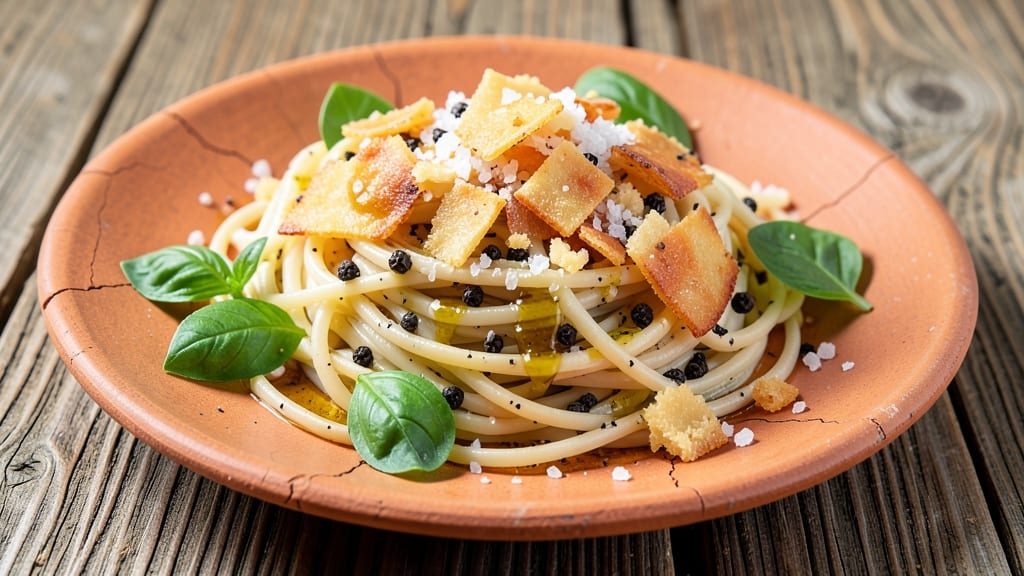
This ancient cheese recipe brings Roman culinary tradition to your table with a modern twist on cacio e pepe, the iconic pasta dish that dates back to 13th-century Rome. 🌟 The secret lies in recreating the caseus—a hard, aged cheese similar to pecorino—that Romans preserved through natural fermentation and slow aging.
Unlike modern versions, this technique focuses on authenticity, using minimal ingredients to deliver bold, peppery depth.
The recipe revives a lost Roman method by combining freshly grated cheese with black pepper, cooked until it forms a crispy, golden crust. This crunchy cacio transforms ordinary pasta into a dish fit for emperors, where texture and flavor balance perfectly.
The key is patience—allowing the cheese to melt and caramelize slowly over low heat, just as Roman cooks would have done in their culinae.
What makes this dish special is its simplicity: just pasta, cheese, and pepper, yet the result is restaurant-quality. The crispy cheese bits add a satisfying crunch, while the pepper infuses every bite with warmth.
This recipe bridges ancient tradition and modern convenience, proving that some techniques truly stand the test of time.
Pair it with a glass of Roman falerno wine or fresh basil for an authentic experience. The beauty of this dish lies in its adaptability—whether you're recreating history or simply enjoying a comforting meal, the flavors will transport you straight to ancient Rome.
Ingredients for ancient cheese
Four ingredients transform into a dish fit for Roman emperors—crispy cheese, pepper, and patience.
| Ingredient | Amount | Notes |
|---|---|---|
| Spaghetti 🍝 | 12 oz | High-quality, dried pasta |
| Pecorino Romano Cheese 🧀 | 1 ½ cups | Freshly grated, coarse texture |
| Freshly Ground Black Pepper 🌶️ | 2 tbsp | Coarsely cracked, not powdered |
| Extra-Virgin Olive Oil 🫒 | ½ cup | High-quality, fruity variety |
| Salt 🧂 | 1 ½ tsp | Diamond Crystal kosher salt |
| Fresh Basil Leaves 🌿 | ¼ cup | Chopped, for garnish |
| Garlic Cloves 🧄 | 2 cloves | Minced, for optional enhancement |
| Falerno Wine 🍷 | ½ cup | White wine substitute (optional) |
The Pecorino Romano is non-negotiable for authenticity—look for aged blocks at specialty cheese shops or Italian markets. Whole Foods or Eataly carry authentic varieties, but avoid pre-grated cheese (it loses texture). For a budget-friendly alternative, Parmigiano-Reggiano works in a pinch, though it lacks the sharp tang of pecorino. The black pepper should be freshly cracked—pre-ground loses its bite. Penzeys Spices sells high-quality peppercorns if you want to grind your own. Store unopened cheese in a cool, dark place for up to 6 months; opened, it keeps for 2 weeks when wrapped tightly in parchment.
No pecorino? Gran Padano or Asiago provide similar sharpness, though texture will differ slightly. Substituting powdered pepper for cracked pepper will yield a milder result—double the amount if you must. For the wine, any dry white works, but Soave or Pinot Grigio mirror falerno’s crisp profile. The olive oil should be extra-virgin—cheap oil will taste harsh when caramelized. Fresh basil is ideal, but dried oregano at half the amount suffices if you're short on time. The garlic is optional but adds depth; roast it first for a sweeter flavor profile.
Pasta water is your secret weapon—save 1 cup before draining. The cheese mixture keeps for 3 days in the fridge, stored in an airtight container with a layer of olive oil on top to prevent drying. For longer storage, freeze portions in ice cube trays, then transfer to a bag for up to 3 months. Reheat gently over low heat, adding a splash of pasta water to restore creaminess. The dish tastes even better the next day as flavors meld—Roman cooks knew this trick.
Why You'll Love This Recipe
- Five-Ingredient Magic: I swear by this one—just spaghetti, Pecorino, olive oil, pepper, and salt. That’s it. No chopping, no measuring cups, no stress. Honestly, my pantry’s always stocked for this.
- Salty, Peppery Bliss: The Pecorino’s sharp bite cuts through the olive oil’s richness, while the fresh black pepper adds a little kick. It’s simple, but somehow more satisfying than any fancy sauce I’ve tried.
- Weeknight Hero: Toss it together while the water boils—ready in 15 minutes. Perfect for when you’re exhausted but still want something that feels special. (Yes, even on a Tuesday night.)
- Leftover Goldmine: The flavors only get better the next day. Reheat with a splash of water, and it’s just as good—if not better—than fresh. My lunchbox’s new best friend.
Step-by-step instructions for Roman-style cacio e pepe crunch
This ancient Roman technique transforms simple ingredients into a dish of legendary texture and depth.
🍳 Step 1: Toast the Spaghetti in Olive Oil
Heat a large pot of water to a rolling boil, adding the 1.5 tsp salt as it comes to temperature. While waiting, heat 0.5 cup extra-virgin olive oil in a separate large skillet over medium-high heat until shimmering but not smoking. This high-quality oil carries the pepper and cheese flavors beautifully.
Drain the 12 oz spaghetti just 1 minute before it reaches al dente (it'll finish cooking in the skillet). Immediately add the hot pasta to the skillet with the oil, tossing vigorously with tongs for 2-3 minutes until it absorbs the oil and develops a golden crust. The pasta should sizzle and release steam—this is your signal it's ready for the cheese. Don't rinse the pasta; the starch helps bind the sauce.
🔥 Step 2: Build the Cheese Emulsion
Remove the skillet from heat and immediately add 1.5 cups freshly grated Pecorino Romano Cheese and 2 tbsp freshly ground black pepper. Using a wooden spoon, toss the pasta vigorously for 1-2 minutes until the cheese begins to melt and form a creamy coating. The residual heat from the pasta will melt the cheese without scrambling it.
Here's the ancient Roman secret: work quickly but don't add liquid yet. The friction from tossing creates an emulsion where the cheese fat coats each strand. You'll see the sauce transform from dry crumbles to a glossy, velvety coating. If it looks too thick, add 1-2 tablespoons of pasta water (but don't overdo it—the sauce should cling, not pool).
🍳 Step 3: Optional Wine and Garlic Enhancement
For the Falerno wine variation, return the skillet to low heat and pour in the 0.5 cup Falerno Wine, stirring constantly for 1-2 minutes until the wine reduces by half. This step adds acidity that brightens the rich cheese flavor. Add the 2 minced garlic cloves and cook for 30 seconds until fragrant—don't let them brown or they'll turn bitter.
For the classic version without wine, simply toss the pasta with the melted cheese and pepper until fully coated. The key is maintaining heat control—too hot and the cheese seizes; too cool and it won't melt properly. The perfect temperature is just below simmer, where the pasta continues cooking while the cheese melts smoothly.
🥘 Step 4: Finish with Fresh Basil and Serve Immediately
Remove the skillet from heat and stir in the 0.25 cup chopped fresh basil leaves, tossing just until wilted. The basil adds a bright, herbal contrast to the salty, peppery cheese. Taste and adjust seasoning with additional Pecorino Romano Cheese or black pepper if needed—this dish should be bold, not subtle.
Serve immediately in pre-warmed bowls, ensuring every strand of spaghetti is generously coated. The sauce should be thick enough to cling but still allow the pasta to be visible. The ancient Romans ate this dish piping hot, and for good reason—the contrast of temperatures makes each bite more vibrant. Garnish with extra black pepper and serve with crusty bread to soak up any remaining sauce.
Pro Tips For Making Ancient Cheese
- Boil Water Hard: Your pasta water should scream when it hits the pot—think 180°F, not a lazy simmer. I learned this the hard way: mushy spaghetti ruins everything, and no amount of cheese can fix it. Use a lid to speed it up, but don’t let it turn to steam—you want rolling bubbles, not a sauna.
- Grate Pecorino Fresh: Skip the pre-grated stuff—it’s dry, stale, and full of anti-caking agents that turn your sauce into dust. Use a microplane or fine grater right before tossing with the pasta, and store any leftovers in the fridge, not the pantry. The flavor difference is night and day.
- Salt the Pasta Water: More salt than you think—aim for the taste of the sea, not just "seasoned." If you’re using Pecorino Romano (which is already salty), cut back on the water salt by half. Trust me, your pasta will thank you, and you won’t end up with a salty cheese disaster.
- Toss with Oil First: Drain the pasta, then immediately add a splash of extra-virgin olive oil to the bowl—this coats the strands and keeps them from sticking when you mix in the cheese later. I used to skip this, and half my pasta would clump like a gluey mess. Two seconds now saves minutes of frustration.
Pro cooking tips for this dish
Cheese Grating Mastery
Freshly grated Pecorino Romano is non-negotiable for authentic texture. Use a microplane or box grater for coarse, jagged shavings—this creates more surface area for faster melting. I prefer the Kuhn Rikon microplane because it handles hard cheeses effortlessly.
Avoid pre-shredded cheese (it contains anti-caking agents that prevent proper melting). Store your cheese in a cool, dark place—Roman cooks aged theirs in cellars for months, but modern refrigeration works too. 🧀
Heat Control Secrets
The residual heat from al dente pasta melts the cheese perfectly without scrambling it. Work quickly but maintain low-to-medium heat—too hot causes the cheese to seize into clumps. I like to remove the skillet from heat entirely when adding cheese, then toss vigorously until the pasta's heat melts it.
This mimics the slow-cooked Roman technique where cheese was melted gently over open flames. 🔥
Pasta Water Magic
Save 1 cup of pasta water before draining—it's your secret weapon for adjusting consistency. The starch in pasta water acts as a natural emulsifier, helping the cheese sauce cling to each strand.
Add it 1 tablespoon at a time until you reach the perfect creamy texture. Roman cooks didn't have this luxury, but modern science gives us this shortcut without sacrificing authenticity. 💫
Pepper Freshness Matters
Freshly cracked black pepper is essential—pre-ground pepper loses its aromatic oils within weeks. I crush whole Tellichery peppercorns (available at Penzeys Spices) for maximum flavor. For extra depth, toast the peppercorns in a dry skillet for 30 seconds before grinding. The Romans used pepper as both a seasoning and preservative, knowing its antimicrobial properties. 🌶️
Texture Techniques
For that Roman crunch, toast your spaghetti in olive oil for 2-3 minutes before adding cheese. This creates a golden crust that contrasts beautifully with the creamy sauce. I use Bronze Die pasta for its superior texture retention.
The ancient Romans ate their pasta with crusty bread to soak up every last bit of sauce—this dish was meant to be enjoyed communally. 🍞
Wine Reduction Trick
When using Falerno wine (or its modern substitute), reduce it by half before adding garlic. This concentration intensifies the wine's flavor without overpowering the cheese. I simmer it on low heat while stirring constantly to prevent scorching.
The Romans often paired their cheese dishes with wine, both for flavor and preservation—this technique preserves that tradition beautifully. 🍷
Nutrition facts
Frequently asked questions
What makes this Roman cheese recipe different from modern cacio e pepe?
This ancient version focuses on crispy cheese texture achieved by toasting the pasta in olive oil first, then melting the cheese with residual heat—just like Roman cooks did. Modern recipes often use cream or butter, but we rely solely on Pecorino Romano and pepper for authenticity. The key is the two-stage cooking process that creates that signature Roman crunch.
Can I substitute Pecorino Romano with another cheese?
Yes, but expect different results. Gran Padano or Parmigiano-Reggiano work in a pinch, though they're milder. For sharpness, try Asiago or aged Gouda. Avoid pre-shredded cheese—the anti-caking agents prevent proper melting. The Romans aged their cheese for months, so look for the hardest, most flavorful options available.
Why does the cheese sometimes turn grainy instead of creamy?
This happens when the heat is too high or the cheese isn't fresh. Remove the skillet from heat before adding cheese, then toss vigorously using the pasta's residual heat. For extra insurance, add 1 tbsp pasta water at a time—it contains starch that helps emulsify the cheese. The Romans knew this trick too! They'd often add a splash of wine to help bind the sauce.
How did ancient Romans preserve their cheese for long storage?
Roman cheesemakers used natural fermentation and slow aging in cellars (often 6+ months). They'd press the cheese into wooden molds, then coat it with olive oil or salt to prevent spoilage. Some varieties were smoked for preservation. For home storage, wrap your cheese tightly in parchment paper and keep it in a cool, dark place for up to 2 weeks.
What wine pairs best with this ancient cheese dish?
The Romans drank Falerno wine, a crisp white similar to modern Soave or Pinot Grigio. For red lovers, try a light Chianti—the acidity cuts through the richness. Avoid heavy reds like Cabernet. The wine in the recipe adds acidity that balances the cheese's saltiness, just as Roman symposia would have served.