
Appetizers
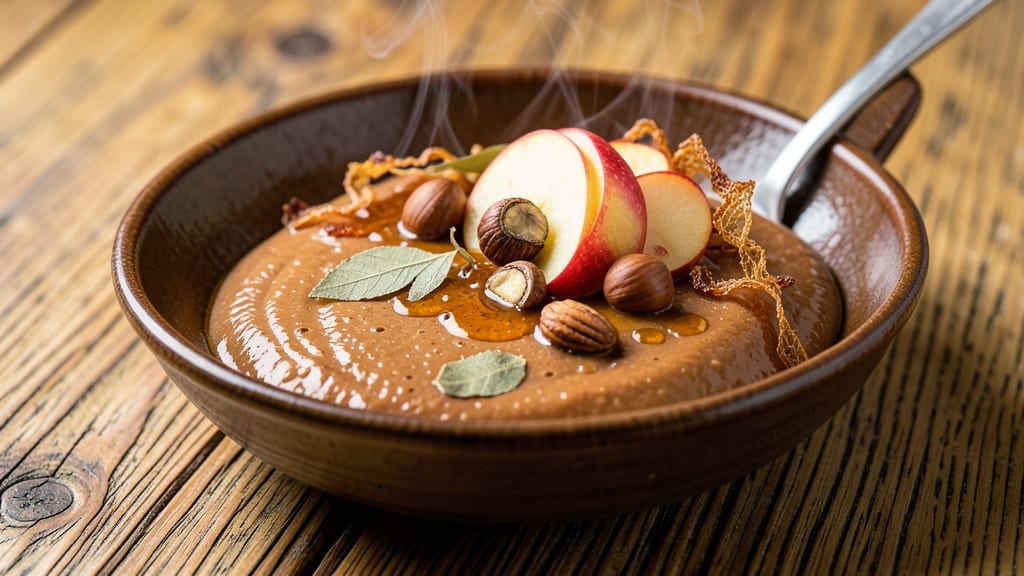
This Amish head cheese recipe transforms humble pork into a rich, jiggly masterpiece that’s been a staple at farmhouse tables for generations. The process begins with rendering fat from a pork head, then simmering the meat until tender before straining the broth and setting it with gelatin.
What emerges is a savory, herb-infused loaf with a crispy top that’s perfect for slicing thin and serving with crackers or bread.
The beauty of this dish lies in its simplicity and tradition—no fancy techniques, just time and patience. You’ll start by carefully rendering the pork fat, which becomes the flavorful base for the broth.
The meat is then simmered until it falls apart, creating a rich, gelatinous mixture that’s strained and set into a loaf. The herbs and spices add depth, while the crispy top adds texture that makes every bite satisfying.
Once chilled, the head cheese develops a firm yet tender consistency, ready to be sliced into thick or thin pieces. The result is a dish that’s hearty enough for a main course but elegant enough for appetizers.
Serve it with crusty bread, pickles, or mustard for a taste of Amish country tradition in your own kitchen.
This recipe is perfect for special occasions or when you want to impress guests with a dish that feels both rustic and refined. The crispy top ensures every slice has that satisfying contrast, while the rich, savory filling delivers deep, meaty flavor. Let’s get started on creating this classic dish.
Ingredients for amish head cheese
Sixteen ingredients, one unforgettable dish—this Amish head cheese brings farmhouse tradition to your table.
| Ingredient | Amount | Notes |
|---|---|---|
| Pork Head 🐷 | 1 whole | Fresh, cleaned, head only |
| Unsalted Butter 🧈 | ½ cup | For rendering fat |
| Pork Broth 💧 | 2 cups | Homemade or low-sodium |
| Dry White Wine 🍷 | ½ cup | For deglazing |
| Apple Cider Vinegar 🍎 | 1 tbsp | For brightness |
| Bay Leaves 🌿 | 2 whole | Fresh preferred |
| Fresh Sage Leaves 🌿 | ¼ cup | Chopped finely |
| Fresh Thyme Leaves 🌿 | ¼ cup | Chopped finely |
| Garlic Cloves 🧄 | 4 cloves | Minced finely |
| Salt 🧂 | 1 ½ tsp | Kosher or sea salt |
| Black Peppercorns 🌶️ | 1 tsp | Freshly cracked |
| Unflavored Gelatin 🍮 | 1 tbsp | Powdered, for setting |
| Panko Breadcrumbs 🍞 | ½ cup | For crispy top |
| Olive Oil 🫒 | 1 tbsp | For crisping top |
The pork head is the star here, so look for fresh, clean cuts from a butcher—avoid pre-packaged pork heads with additives. Local farms or Amish markets often have the best quality, but your grocery store butcher section works too. If you can't find a whole head, pork neck bones will work in a pinch, though the texture will differ slightly. For the gelatin, powdered unflavored is key—it dissolves cleanly without adding any unwanted taste. The herbs? Fresh is ideal, but dried works at half the amount if needed. Just make sure to toast the dried herbs in a dry pan for 30 seconds to wake up the flavors.
No white wine? Apple juice or extra pork broth does the trick for deglazing. Short on panko? Crushed cornflakes or regular breadcrumbs work, but panko gives that perfect crispy texture. The gelatin can be tricky—sprinkle it over cold broth and let it sit for 5 minutes before stirring to avoid clumping. For the crispy top, olive oil is non-negotiable—it adds richness and helps the breadcrumbs brown beautifully. If you're making this ahead, prep the filling and refrigerate it overnight—the flavors meld even better.
This keeps beautifully in the fridge for 5-7 days, though it tastes best after a full day of chilling. For longer storage, wrap tightly in plastic wrap and freeze for up to 3 months. The crispy top is best eaten within 2 days, so I always make extra breadcrumbs for freshness. Slice it thin for appetizers or thick for a hearty main. Leftovers reheat well in the oven at 350°F until warmed through—just cover with foil to keep it moist.
Why You'll Love This Recipe
- No-Fuss Simmering: Honestly, this is the kind of recipe where you dump everything in one pot and walk away. The pork head barely needs chopping—just trim, simmer, and let the broth work its magic while you handle the rest of dinner. Twenty minutes of hands-off time? Yes, please.
- Rich Umami Bomb: That white wine and apple cider vinegar combo? It’s what turns this into something special. The broth reduces into a glossy, savory gel that clings to every bite, and the butter at the end adds this luxurious melt-in-your-mouth finish. Not fancy, but ridiculously satisfying.
- Leftovers That Shine: Between us, this stuff tastes even better the next day—if you can resist eating the whole pan. Slice it thin for sandwiches, cube it into salads, or serve it cold with mustard. It’s the kind of dish that magically upgrades simple meals without extra effort.
- Budget-Friendly Luxury: You’re using the whole pork head—nothing wasted. The broth stretches for multiple uses, and the wine and vinegar elevate it without breaking the bank. It’s the kind of meal that makes you feel like you’re treating yourself, even when you’re just feeding the family.
Step-by-step instructions for Amish head cheese
Here's how to transform a humble pork head into a rich, herbed loaf with a golden, crispy crust.
Render the Fat and Simmer the Pork Head
Place the whole pork head in a large Dutch oven and cover with 2 cups pork broth. Bring to a boil over high heat, then reduce to a gentle simmer for 2 hours. You're looking for the meat to separate easily from the bone and the broth to reduce by about half. Skim off any foam that rises to the surface during the first 30 minutes—this keeps your final product clear.
After 2 hours, remove the pork head and let it cool slightly. Using tongs, pull the meat from the bone, discarding any gristle or connective tissue. You should have about 3-4 cups of shredded pork meat. Set this aside and return the broth to the Dutch oven. Add the 0.5 cup dry white wine and 1 tablespoon apple cider vinegar, scraping up any browned bits from the bottom. Simmer this liquid until reduced by half, about 10 minutes, then strain through a fine-mesh sieve into a clean bowl.
Build the Herb-Infused Base
In a small skillet, melt the 0.5 cup unsalted butter over medium heat. Add the 4 minced garlic cloves, 0.25 cup chopped fresh sage leaves, and 0.25 cup chopped fresh thyme leaves. Cook for 2-3 minutes until the herbs are fragrant and the garlic is golden—don't let it burn. Remove from heat and let cool for 5 minutes.
In a large mixing bowl, combine the shredded pork meat with the herb butter mixture. Add the 1.5 teaspoons salt and 1 teaspoon freshly cracked black peppercorns, mixing thoroughly. The mixture should be moist but not wet—if it looks too dry, add 1-2 tablespoons of the reserved reduced broth. Stir in the 2 whole bay leaves (you'll remove them later).
Set the Gelatin and Assemble the Loaf
In a small saucepan, sprinkle the 1 tablespoon unflavored gelatin over ½ cup of the reduced pork broth and let it bloom for 5 minutes. Heat the mixture gently over low heat, stirring constantly until the gelatin is completely dissolved—it should be clear and glossy. Remove from heat and let cool slightly.
Pour the gelatin mixture into the pork mixture and stir until fully combined. The texture should be thick but still pourable. Pour the mixture into a 9x5-inch loaf pan, smoothing the top with a spatula. Cover with plastic wrap and refrigerate for at least 4 hours or until fully set.
Create the Crispy Topping
Preheat your oven to 375°F. In a small bowl, mix together the 0.5 cup panko breadcrumbs and 1 tablespoon olive oil. Spread this mixture evenly over the chilled head cheese, pressing down gently to ensure good contact. Bake for 15-20 minutes until the topping is deep golden brown and crispy.
Let the head cheese rest for 10 minutes before slicing—this prevents the loaf from falling apart. The internal temperature should reach 160°F when done. Serve chilled or at room temperature with crusty bread or pickled vegetables. The contrast between the crispy top and creamy interior makes every bite special.
Pro Tips For Making Amish Head Cheese
- BLANCH THE SKIN FIRST: Toss the pork head in boiling water for 2-3 minutes before braising—this loosens the skin so it peels away cleanly later. I learned this the hard way after spending 20 minutes fighting stubborn hide that refused to separate.
- USE COLD BUTTER: Add the unsalted butter at the end, when the broth has reduced but still simmers gently—never straight from the fridge. Cold butter emulsifies better with the rendered fat, giving that velvety texture without breaking.
- SKIP THE VINEGAR TOO EARLY: Wait until the last 15 minutes to stir in the apple cider vinegar, or the acid will turn the broth cloudy and dull the wine’s brightness. This isn’t just picky—it’s the difference between "homemade" and "restaurant-quality."
- REST THE HEAD IN BROTH: After braising, let the whole head sit in the warm broth for at least 30 minutes before carving—this keeps the meat moist and makes slicing the gelatinized cheek effortless. (Yes, even if you’re impatient like me.)
Dietary considerations for these flavors
Traditional Amish Diet
This dish fits perfectly into the Amish diet, which emphasizes simple, whole foods and minimal processed ingredients. The pork head provides high-quality protein and gelatin-rich collagen, which are staples in traditional Amish cooking.
Their diet often includes homemade preserves, fresh herbs, and garden vegetables—all of which complement this recipe beautifully. The use of pork broth and white wine aligns with their preference for natural, unadulterated ingredients. 🌿
Gluten-Free Adaptation
Amish head cheese is naturally gluten-free since it relies on pork, broth, and gelatin. However, the panko breadcrumbs topping contains gluten. For a gluten-free version, substitute with crushed cornflakes or gluten-free breadcrumbs (like Bob's Red Mill).
Just ensure the gelatin is certified gluten-free—most powdered gelatin brands are, but always check labels. The texture remains crispy and satisfying. ✨
Dairy-Free Option
If you need to avoid dairy, skip the unsalted butter in the herb mixture. Instead, use olive oil or coconut oil (melted) to sauté the garlic, sage, and thyme.
The flavor stays rich and aromatic, though the butter adds depth. For extra richness, consider a small splash of pork fat rendered from the head during cooking. 🥥
Vegetarian Considerations
This dish isn’t naturally vegetarian, but you can create a mushroom-based alternative using portobello caps or shiitake mushrooms for umami depth. Replace the pork with mushroom broth, vegetable gelatin (like agar-agar), and nutritional yeast for a cheesy flavor.
The texture will be firmer but still delicious—just expect a different mouthfeel. 🍄
Allergen Awareness
Watch for gelatin allergies—though rare, some people react to animal-derived gelatin. Use plant-based gelatin substitutes (like agar-agar or carrageenan) for a safe alternative. Also, ensure your panko breadcrumbs are free from gluten or soy allergens if needed.
Always double-check labels, especially for pre-made broths or wine, which might contain additives. 🚨
Keto-Friendly Adjustments
This recipe is keto-friendly as long as you avoid gluten-containing toppings. The pork head, gelatin, and herbs are all low-carb staples. For extra fat, add a drizzle of olive oil to the crispy topping or serve with cheese crisps instead of bread.
The apple cider vinegar adds a tangy note without carbs, keeping it perfectly aligned with keto principles. 🥓
Nutrition facts
Frequently asked questions about Amish head cheese
Why does Amish head cheese have a crispy top?
The crispy topping comes from a mix of panko breadcrumbs and olive oil baked until golden brown. This adds texture contrast to the creamy, gelatinous interior—a signature feature of traditional Amish head cheese. The breadcrumbs toast beautifully while keeping the rest of the loaf cool and firm.
Can I substitute pork head with other cuts?
While pork head is traditional, you can use pork neck bones or pork shoulder in a pinch. For best results, simmer the meat longer until it shreds easily. The gelatin content will be slightly lower, so add an extra ½ tablespoon gelatin to achieve the same firm texture. The flavor will be slightly different but still delicious.
How do I fix if my head cheese didn't set properly?
If your mixture is too runny, it likely didn't chill long enough. Place the loaf pan in the freezer for 30-60 minutes to help it firm up. For extra insurance, add ½ teaspoon more gelatin dissolved in warm broth and stir it back in before setting. Avoid overmixing once the gelatin is added—this can break down the proteins and prevent proper setting.
What's the best way to serve Amish head cheese?
Slice it thin for appetizers with crackers or crusty bread, or serve thick slices as a hearty main with pickles, mustard, or apple slices. The crispy top pairs perfectly with tangy accompaniments. For a special touch, serve it chilled with a side of spicy ketchup or horseradish cream to cut through the richness.
How long can I store leftover head cheese?
Store in an airtight container in the fridge for 5-7 days, or freeze for up to 3 months. The crispy topping loses its crunch after 2 days, so make extra breadcrumbs for freshness. To reheat, wrap slices in foil and warm at 350°F for 10 minutes—just don't overheat or the gelatin will melt too much.