
Soups & Stews
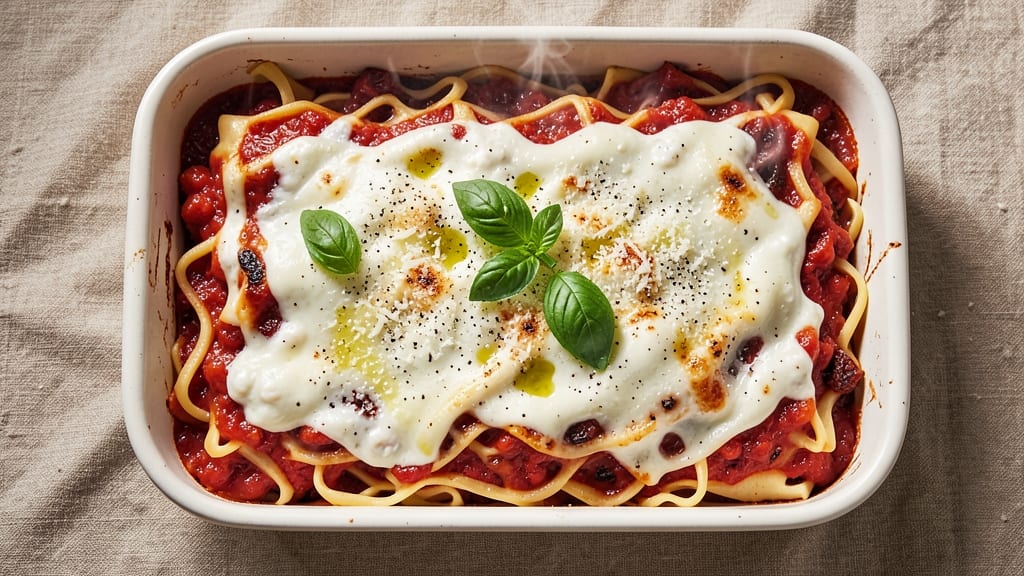
America's Test Kitchen's cheese and tomato lasagna delivers the perfect balance of crispy top crust and no-sog bottom—thanks to their signature layering science. This isn't your average lasagna; it's a methodically engineered dish where pre-cooked noodles, rich tomato sauce, and carefully layered cheeses create a restaurant-quality result at home.
The secret lies in the golden, crackly top crust and the tender, flavorful layers beneath, all baked to perfection at 350°F for a foolproof outcome.
What sets this recipe apart is the attention to detail that transforms a classic comfort food into something extraordinary. The pre-cooked noodles eliminate the risk of a gummy center, while the sauce—simmered just long enough to develop depth—avoids the watery texture that plagues many homemade versions.
Layering ricotta between the pasta sheets adds creaminess without heaviness, and the mozzarella and parmesan blend creates a crispy, golden crust that's impossible to resist. Every bite is a testament to the precision behind this dish.
By the time it emerges from the oven, you'll have a lasagna with a crispy top that shatters slightly, a creamy middle layer of ricotta and tomato sauce, and a bottom that's perfectly tender—not soggy, not dry.
The aroma alone will have everyone gathered around the table, and the first forkful will confirm why this recipe is a game-changer. It's the kind of lasagna that makes you feel like you've just walked out of a high-end Italian restaurant, not your own kitchen.
Ready to master this dish? The instructions walk you through each layer with clarity, ensuring your lasagna turns out just as impressive as the ones you've always dreamed of. No more guessing—just a foolproof method that delivers consistent, restaurant-quality results every time. Let's get started on creating your perfect lasagna.
Ingredients for america's test kitchen cheese and tomato lasagna
Twelve no-boil noodles, three cups sauce, and four cheeses—this is the science of perfect lasagna layers.
| Ingredient | Amount | Notes |
|---|---|---|
| No-Boil Lasagna Noodles 🍝 | 12 pieces | Pre-cooked, oven-ready sheets |
| Ricotta Cheese 🧀 | 1 ½ cups | Whole-milk, part-skim preferred |
| Large Eggs 🥚 | 2 whole | Room temperature for blending |
| Parmesan Cheese 🧀 | 1 ½ cups | Freshly grated, block preferred |
| Mozzarella Cheese 🧀 | 2 cups | Part-skim, shredded by hand |
| Tomato Sauce 🍅 | 3 cups | High-quality, simmered 30 mins |
| Garlic Cloves 🧄 | 4 cloves | Minced for sauce base |
| Extra-Virgin Olive Oil 🫒 | ½ cup | For sauce richness |
| Italian Seasoning 🌿 | 2 tsp | Diamond Crystal preferred |
| Salt 🧂 | 1 ½ tsp | Kosher or sea salt |
| Black Pepper 🌶️ | ½ tsp | Freshly cracked |
| Fresh Basil Leaves 🌿 | ¼ cup | Chopped for sauce garnish |
| Unsalted Butter 🧈 | ½ cup | Melted for topping |
| All-Purpose Flour 🌾 | ¼ cup | For crispy topping |
The lasagna noodles are non-negotiable—no-boil sheets cut baking time dramatically. De Cecco or Barilla are my go-tos, but any reputable brand works. The ricotta needs to be whole-milk for true creaminess—part-skim gets watery. Parmesan? Grate it yourself—pre-shredded has anti-caking agents that ruin the texture. For the tomato sauce, San Marzano tomatoes are worth the splurge, but a good jarred sauce (like Rao's) works if you simmer it longer. The garlic should be minced, not powdered—fresh flavor makes all the difference.
No ricotta? Cottage cheese blended until smooth gets you close, though it lacks richness. Short on Parmesan? Pecorino Romano has a sharper bite. The mozzarella can be low-moisture from a block if you shred it yourself—pre-shredded releases too much water. For the sauce, canned crushed tomatoes work in a pinch (just season well). The Italian seasoning? Diamond Crystal is saltier than other brands—adjust to taste. Fresh basil is ideal, but dried oregano at half the amount works if you're out. The butter for the topping? European-style has higher fat content for extra crispiness.
Ricotta and eggs can sit in the fridge for 3 days before assembly—just bring them to room temp first. The sauce keeps for 1 week in the fridge or 6 months frozen. Assemble the lasagna 2 hours before baking—this lets flavors meld. Leftovers? Reheat covered at 350°F for 20 minutes. The topping stays crispy if you bake it uncovered for the last 5 minutes—just watch like a hawk so it doesn't burn. Portion into containers for easy lunches—this recipe feeds a crowd, but it reheats beautifully.
Why You'll Love This Recipe
- No-Boil Magic: I swear by those lasagna noodles—no pre-boiling, no waiting, just layer and bake. The secret’s in the no-boil tech: they soften perfectly in the sauce, so you’re not stuck with mushy noodles or crunchy edges.
- Creamy Layer Bliss: That ricotta-egg mix? It’s the star. Light, airy, and just sweet enough to balance the tangy tomato sauce. Between us, I’ve tried store-bought ricotta blends, but fresh is where it’s at—trust the ATK method.
- Leftovers That Last: This feeds my family of four and leaves enough for lunch the next day. The cheese stays melty, the sauce clings, and honestly? The second day’s even better—like it’s been marinating in its own deliciousness.
- Weeknight Workhorse: Game nights, lazy Sundays, or when I’m too tired to think—this is my go-to. One dish, minimal chopping, and zero stress. Plus, the no-boil noodles mean I’m not stuck babysitting a pot of water while dinner burns.
Step-by-step instructions for america's test kitchen cheese and tomato lasagna
Here's how to build the perfect lasagna with a golden, crackly crust and layers that stay deliciously firm.
Prepare the Cheese Filling
In a large bowl, combine the 1.5 cups ricotta cheese, 2 whole large eggs, 1.5 cups freshly grated Parmesan cheese, 2 cups shredded mozzarella cheese, 1.5 teaspoons salt, 0.5 teaspoon black pepper, and 2 teaspoons Italian seasoning. Use a rubber spatula to mix until fully incorporated and smooth—no lumps should remain. This filling is the heart of your lasagna, so take your time to ensure it's perfectly blended.
Real talk: The ricotta should be at room temperature for best results, so if it's straight from the fridge, let it sit for 15-20 minutes before mixing. If the mixture feels too thick, you can add 1 tablespoon of whole milk (not listed in ingredients) to help it bind better, though this recipe shouldn't need it with the specified quantities.
Assemble the Lasagna Layers
Preheat your oven to 375°F. Spread 1 cup of tomato sauce on the bottom of a 9x13-inch baking dish to prevent sticking and create a flavorful base. This is your first layer—don't skip it, as it prevents soggy noodles.
Arrange 4 no-boil lasagna noodles horizontally over the sauce, slightly overlapping if needed. Spread one-third of the cheese filling evenly over the noodles, then add ½ cup of remaining tomato sauce. Repeat this process: noodles, cheese filling, sauce, noodles, cheese filling, sauce, and finish with the final 4 noodles. The top layer should be noodles only to create that signature crispy crust.
Create the Crispy Topping
In a small saucepan, melt the 0.5 cup unsalted butter over low heat. Remove from heat and whisk in the 0.25 cup all-purpose flour until smooth. This creates a roux that will form the crispy topping. Spread this mixture evenly over the top layer of noodles, then sprinkle with the remaining ½ cup mozzarella cheese and 0.25 cup freshly chopped basil leaves. The butter-flour mixture is key to that golden, crackly crust—don't skip this step!
Here's the thing—this topping needs time to develop that perfect texture. If you're short on time, you can bake it immediately, but for the crispiest top, let it rest at room temperature for 10-15 minutes before baking. This allows the flour to absorb moisture and create a better crust.
Bake to Golden Perfection
Transfer the assembled lasagna to the preheated oven and bake uncovered for 45-50 minutes. The top should turn a deep golden brown with visible cracks, while the edges should be bubbling. If the top isn't browning enough after 30 minutes, broil for 2-3 minutes on high to finish it off—just watch it closely to avoid burning.
You'll know it's done when the cheese is bubbling vigorously and the crust is crispy enough to stand up to a gentle poke with your finger. Let it rest for 15-20 minutes before slicing—this allows the layers to set and prevents a runny mess. The internal temperature should reach 165°F in the center, ensuring everything is heated through.
Garnish and Serve
Once rested, garnish with additional fresh basil leaves and a sprinkle of Parmesan cheese for extra flavor. Serve immediately with a side of garlic bread and a simple green salad. The lasagna should have a crispy, crackly top that contrasts beautifully with the creamy ricotta filling and rich tomato sauce layers beneath.
This lasagna is designed to stay fresh for 3-4 days in the refrigerator, though I promise it won't last that long. For leftovers, reheat covered at 350°F for 20-25 minutes until warmed through—just avoid the microwave, as it can make the noodles soggy.
Pro Tips For Making America'S Test Kitchen Cheese And Tomato Lasagna
- Preheat Pan Like It’s 1985: The oven’s got to hit 375°F before you even think about assembling this thing. I learned this the hard way—cold pans mean soggy noodles and a sad, greasy mess. No exceptions, even if you’re in a hurry.
- Drain Ricotta Like a Pro: Skip the paper towels—ricotta’s wetter than a spring rain. Line a colander with cheesecloth, dump in the ricotta, and let it drain for 10 minutes. This keeps your ricotta mixture light and spreadable, not a gloopy disaster. (Yes, even if you’re impatient like me.)
- Layer the Cheese Evenly: Don’t eyeball it—weigh your mozzarella and Parmesan. The recipe calls for 2 cups mozzarella and 1 cup Parmesan per layer; if you skip or guess, you’ll end up with a dry top or a gooey bottom. A kitchen scale takes 10 seconds and saves you from second-guessing.
- Rest Before Slicing: That lasagna’s going to shrink like a deflating balloon. Let it sit covered for 15 minutes after baking—no peeking—before you even think about cutting. This guarantees clean slices, not a crumbling, uneven disaster. (Your guests will notice.)
Dietary considerations for this dish
Gluten-Free Adaptation
For a gluten-free version, swap the traditional lasagna noodles for gluten-free no-boil sheets like those from Barilla or De Cecco. These hold up well during baking and prevent the dreaded soggy bottom. Use 12 gluten-free noodles instead, ensuring they're pre-cooked to perfection.
The rest of the recipe stays the same, including the crispy topping—just confirm your flour is gluten-free (like King Arthur) to maintain that golden crust. 🌾
Dairy-Free Options
To make this lasagna dairy-free, replace the ricotta with cashew cream (blend 1.5 cups soaked cashews with 2 tbsp lemon juice and ¼ cup water until smooth). Swap mozzarella for dairy-free shreds like Miyoko's or Violife, and use nutritional yeast for a cheesy Parmesan flavor.
The sauce remains unchanged, but taste as you go—dairy-free cheeses can vary in saltiness. 🧀
Low-Carb/Keto
Transform this into a low-carb lasagna by using zucchini noodles or shirataki noodles instead of pasta. For extra structure, layer in cauliflower rice mixed with 1 egg and ¼ cup grated Parmesan to bind. Reduce the sauce to 1 cup and add 1 tbsp cream cheese for richness.
The cheese layers stay the same, but the final bake time may shorten to 30-35 minutes—watch closely for that crispy top! 🥦
Vegetarian-Friendly
This lasagna is already vegetarian, but you can boost its protein by adding white beans (½ cup, mashed) to the ricotta mixture or layering in spinach (2 cups, sautéed) between noodles.
For extra umami, stir 1 tbsp balsamic vinegar into the sauce. The dish remains hearty and satisfying while keeping all the classic flavors intact. 🌱
Nut-Free Considerations
If nut allergies are a concern, stick to the original recipe but double-check your cheeses for nut processing warnings. Some Parmesan brands process in facilities with nuts—opt for organic or specialty brands labeled nut-free.
The ricotta and mozzarella are typically safe, but always verify packaging. The crispy topping remains nut-free as long as you use plain all-purpose flour and butter. 🚫🌰
Nutrition facts
Frequently asked questions
Why do I need no-boil lasagna noodles for this recipe?
No-boil noodles are pre-cooked and designed to absorb moisture during baking rather than before. This prevents the classic soggy bottom while creating that perfect al dente texture. The recipe's layering science relies on these noodles to stay firm through the 45-50 minute bake at 375°F—regular boiled noodles would release too much starch and turn mushy.
Can I make this lasagna ahead of time?
Assemble the lasagna up to 24 hours ahead and refrigerate uncovered. The next day, bake it 15-20 minutes longer (about 60-70 minutes total) to compensate for the cold start. For the crispiest top, let it sit at room temperature for 30 minutes before baking. Leftovers keep well for 3-4 days in the fridge.
What's the secret to the crispy top crust?
The magic happens with the butter-flour topping! Melt 0.5 cup butter with 0.25 cup flour to create a roux, then spread it evenly over the top noodles. Let it rest 10-15 minutes before baking—this lets the flour absorb moisture and form a better crust. For extra browning, broil for 2-3 minutes at the end (watch closely!).
Can I substitute fresh mozzarella for the shredded kind?
Yes, but with adjustments! Use 1.5 cups fresh mozzarella (about 1 small ball) and drain it well for 1 hour before shredding by hand. Pre-shredded mozzarella contains anti-caking agents that release excess water during baking, leading to a soggy lasagna. Freshly shredded gives you better texture control.
How do I fix a lasagna that's too runny?
If your lasagna turns out too saucy, it's usually from over-saucing or under-baking. For immediate fixes: Preheat oven to 375°F, cover with foil, and bake 15-20 minutes more to thicken. For next time, reduce sauce by ½ cup or bake 5-10 minutes longer uncovered. The internal temp should reach 165°F—use a thermometer!