
Snacks
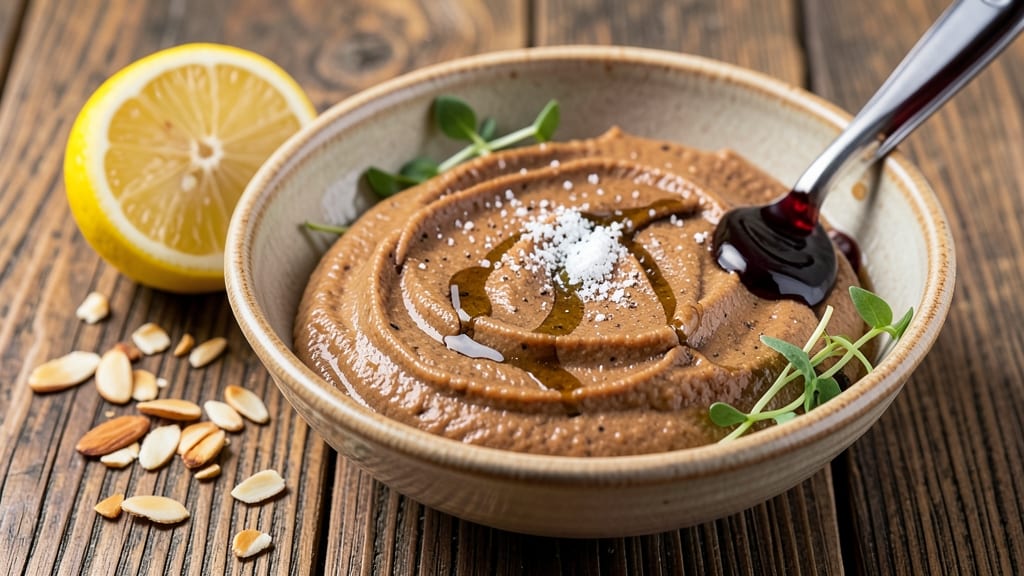
This almond pulp cheese recipe transforms humble almonds into a creamy, dairy-free spread that rivals traditional cheeses in both texture and versatility. The process starts with soaking almonds to soften them, then blending and straining to create a smooth, nutty base—no dairy required.
What makes this recipe special is how it delivers rich, spreadable cheese without animal products, making it perfect for vegan diets or anyone seeking plant-based alternatives.
The key to achieving that creamy consistency lies in proper straining and optional cooking methods, depending on your desired texture. Whether you want a soft, spreadable cheese or a firmer version for melting, this recipe adapts easily.
The result is a neutral yet nutty flavor that works beautifully in sandwiches, sauces, or as a standalone snack. It’s also a great way to reduce almond waste by using the pulp left over from almond milk production.
Once you’ve mastered the base, the possibilities are endless—use it as a creamy alternative to cream cheese, blend it into sauces, or even grill it like traditional cheese for a vegan grilled cheese sandwich.
The best part? This recipe is simple enough for beginners but impressive enough for any occasion. Let’s get started on creating your own dairy-free cheese that’s just as satisfying as the real thing.
This almond pulp cheese isn’t just a substitute—it’s a game-changer for plant-based cooking. Whether you’re vegan, lactose intolerant, or simply exploring new flavors, this recipe delivers a creamy, nutty spread that’s as versatile as it is delicious.
Ready to transform almonds into something extraordinary? Here’s how to make it happen.
Ingredients for almond pulp cheese
Start with almond pulp and transform it into a creamy, dairy-free cheese spread.
| Ingredient | Amount | Notes |
|---|---|---|
| Almond Pulp 🌰 | 2 cups | From almond milk production, drained |
| Filtered Water 💧 | 1 cup | Room temperature preferred |
| Lemon Juice 🍋 | 2 tbsp | Freshly squeezed for tang |
| Extra-Virgin Olive Oil 🫒 | ½ cup | High quality for richness |
| Nutritional Yeast 🍄 | ¼ cup | For cheesy flavor |
| Salt 🧂 | 1 tsp | Sea salt preferred |
| White Vinegar 🍶 | 1 tbsp | For acidity balance |
| Garlic Powder 🧄 | ½ tsp | For subtle depth |
| Ground Black Pepper 🌶️ | ¼ tsp | Freshly ground preferred |
| Tapioca Flour 🌾 | 1 tbsp | For thickening (optional) |
| Almond Milk 🥛 | ½ cup | Unsweetened, for creaminess |
The almond pulp is the star here—fresh from almond milk production makes all the difference. If you don’t have access to it, blend soaked almonds and strain for a similar texture. Trader Joe’s often carries almond pulp in the refrigerated section, or check with local almond milk producers. The nutritional yeast is non-negotiable for that authentic cheesy flavor—Bob’s Red Mill is my go-to brand, but any high-quality version works. Don’t skip the lemon juice; it’s what prevents the cheese from turning bitter during storage.
No tapioca flour? Arrowroot powder works just as well for thickening. Short on almond milk? Cashew cream or even coconut milk adds creaminess without altering the flavor much. The garlic powder and pepper are optional but add depth—think of it like seasoning a cheese board. For a firmer texture, add more tapioca flour; for a softer spread, increase the almond milk. If you’re feeling adventurous, add a pinch of turmeric for a golden hue that mimics traditional cheese.
This cheese keeps beautifully—1 week in the fridge sealed in an airtight container. For longer storage, freeze portions for up to 3 months. I like to portion it into small jars so I can grab just what I need for sandwiches or sauces. If it separates, just whisk it back together—it’s still delicious. The flavor actually improves over time, so make a big batch and enjoy it all week.
Why You'll Love This Recipe
- No Blender Fuss: I’ve made cheese before—this is the first time I didn’t need a food processor. Just whisk the almond pulp with water, lemon juice, and olive oil until it’s smooth enough to drizzle. Honestly, my hand mixer does the work while I sip my coffee.
- Umami Magic: That nutritional yeast isn’t just a sprinkle—it’s the secret weapon. The moment it hits your tongue, you get that nutty, cheesy depth without dairy. Add a splash of lemon, and suddenly you’ve got something bright enough for summer salads or rich enough for pasta.
- Pantry Staple Power: Between us, I always have almond pulp, olive oil, and nutritional yeast on hand. No last-minute grocery runs, no weird ingredients. It’s the kind of cheese that turns a sad sandwich into a meal or saves a lazy weeknight dinner.
- Lasts Long, Costs Less: A batch keeps in the fridge for weeks, and I’ve frozen it for months without texture issues. Plus, almond pulp is cheaper than store-bought cheese—especially when you’re stretching it over veggies, toast, or pasta. My wallet and leftovers thank me.
Step-by-step instructions for almond pulp cheese spread
This creamy, nutty spread comes together with simple technique and bold flavors.
Blend the Base Ingredients Until Smooth
In a high-speed blender, combine the 2 cups almond pulp, 1 cup filtered water, 2 tablespoons lemon juice, 0.5 cup extra-virgin olive oil, and 0.25 cup nutritional yeast. I like to add these in this order to ensure everything emulsifies properly. Blend on high speed for 1-2 minutes until completely smooth and free of lumps.
Here's the thing—you want the mixture to look like a thick, pale yellow sauce at this stage. If it looks grainy, blend another 30 seconds. The nutritional yeast will give it that signature cheesy tang, while the lemon juice brightens the flavor. Don't rush this step; proper blending ensures your final spread has a velvety texture.
Season and Thicken the Mixture
Transfer the blended mixture to a medium saucepan and place it over medium-low heat. Add the 1 teaspoon salt, 1 tablespoon white vinegar, 0.5 teaspoon garlic powder, and 0.25 teaspoon ground black pepper. Stir continuously for 2-3 minutes until the mixture begins to simmer gently.
Now for the thickening—whisk in the 1 tablespoon tapioca flour all at once. Stir vigorously for 1-2 minutes until the mixture thickens noticeably and coats the back of a spoon. You're aiming for a consistency similar to soft cream cheese—thick enough to hold its shape but still spreadable. If it thickens too quickly, add 1-2 tablespoons of the 0.5 cup almond milk to adjust the texture.
Simmer Until Creamy and Cohesive
Continue cooking the mixture for an additional 3-5 minutes, stirring frequently to prevent sticking. You'll know it's ready when it pulls away from the sides of the pan slightly and has a glossy sheen. The spread should be thick enough to hold its shape when dropped from a spoon but still smooth and creamy.
I like to taste it at this stage—it should be tangy from the lemon and vinegar, nutty from the almond pulp, and have that unmistakable cheesy depth from the nutritional yeast. If it needs more salt or acidity, adjust now. Remove from heat immediately once it reaches the perfect consistency to prevent over-thickening.
Cool and Rest for Perfect Texture
Transfer the warm spread to a clean glass jar or airtight container. Let it cool at room temperature for 15-20 minutes, then refrigerate for at least 1 hour before serving. This resting period allows the flavors to meld and the texture to set properly.
When you return to it after chilling, the spread should be firm enough to slice but still spreadable—almost like a cross between cream cheese and hummus. The longer it chills (up to 24 hours), the thicker it becomes, making it perfect for slicing onto crackers or blending into dips. If it gets too thick, simply whisk in a splash of almond milk to loosen it.
Pro Tips For Making Almond Pulp Cheese
- Soak Almond Pulp Overnight: I learned this the hard way—rushing the soak means gummy, chalky cheese. Use warm (not boiling) filtered water and let it sit 12+ hours. The longer it soaks, the smoother the final texture, and trust me, you’ll taste the difference.
- Acidify Gradually: Lemon juice is your friend, but dump it all at once and you’ll end up with a weird, tangy mess. Start with half the recipe’s lemon juice, taste, then add the rest. You’re aiming for bright, not puckery—like a well-balanced vinaigrette, not a face wash.
- Blend in Stages: Your blender will hate you if you toss in everything at once. First, blend the soaked almond pulp with water until completely smooth. Then add olive oil and nutritional yeast in small batches, scraping down the sides. This avoids motor burnout and ensures no gritty bits sneak through.
- Strain Twice: That first pass through a fine-mesh sieve won’t catch everything—especially if you’re impatient like me. Run the blended mixture through the sieve a second time, pressing with a spoon. The extra effort guarantees a silky texture, not a sandy one. (Yes, it’s tedious, but your cheese will thank you.)
Dietary considerations for almond pulp cheese
Vegan-Friendly Foundation
This almond pulp cheese is naturally vegan, making it perfect for plant-based diets while delivering the same creamy texture as dairy cheese. The nutritional yeast provides that familiar cheesy flavor without any animal products, and the olive oil adds richness that rivals traditional cheese spreads.
I love how it satisfies cravings without compromising dietary needs—it’s a game-changer for vegan cooking. 🌱
Nut-Free Adaptations
If nut allergies are a concern, this recipe can be modified to suit most dietary restrictions. Simply replace the almond pulp with sunflower seed pulp or soaked cashews (if tolerated).
The rest of the recipe remains the same, ensuring the creamy texture and cheesy flavor profile stay intact. Always check labels to confirm nut-free processing facilities.
Gluten-Free Compliance
The base ingredients in this recipe are naturally gluten-free, making it safe for those with celiac disease or gluten sensitivities. The tapioca flour used for thickening is also gluten-free, but if you want to avoid it entirely, try arrowroot powder instead.
Just be sure to check all spice blends for hidden gluten—stick to certified gluten-free brands like Bob’s Red Mill for peace of mind.
Low-Fat Versions
For a lighter option, reduce the olive oil to 2 tablespoons and increase the almond milk to ½ cup to maintain creaminess. This swap cuts fat content while keeping the spread rich and flavorful.
I find this version works beautifully in dips or as a light spread for toast—it’s a great compromise for health-conscious eaters without sacrificing taste. 💪
Protein-Packed Boost
Want to increase the protein content? Stir in 1 tablespoon of hemp seeds or chia seeds during the blending stage. These seeds add a subtle nutty flavor while boosting protein by about 3-4 grams per serving.
They also contribute to a firmer texture, making this spread ideal for slicing onto crackers or sandwiches. Just blend them in with the initial ingredients for even distribution.
Nutrition facts
Frequently asked questions
What can I do with leftover almond pulp?
Beyond this cheese, almond pulp is incredibly versatile! Use it in energy balls, blend it into smoothies for extra protein, or mix it into vegan baked goods like muffins or cookies. You can also dehydrate it for almond flour or compost it—just don’t throw it away!
Can I make this cheese without a high-speed blender?
Yes, but expect a slightly grainier texture. Use an immersion blender to process the mixture in the saucepan, or blend in batches with a regular blender. For best results, strain the mixture through a fine-mesh sieve after blending to remove any remaining lumps. Patience is key—it may take a few extra minutes!
How do I adjust the flavor if it tastes too bitter?
Add a splash of almond milk or a pinch more salt to balance bitterness. If the lemon juice was too strong, stir in 1 teaspoon of maple syrup or agave to mellow the tang. For a deeper flavor, mix in 1 tablespoon of miso paste or white miso—it adds umami and richness without overpowering.
Will this cheese melt like traditional cheese?
Not in the same way, but it does soften beautifully when heated! Spread it on toast and warm it under a broiler for 1-2 minutes for a gooey effect, or blend it into sauces or soups where it will create a creamy, velvety texture. For a firmer melt, chill it longer before using. Think of it as a plant-based cream cheese with a nutty twist!
Can I make this cheese with store-bought almond milk?
Not ideal—the pulp from store-bought almond milk is usually too thin and watery. For best results, use fresh almond pulp from homemade almond milk or purchase it from health stores. If you must use store-bought, strain the pulp through a cheesecloth to remove excess liquid, then proceed with the recipe. The texture will be slightly less rich, but it’ll still work!