
Beverages
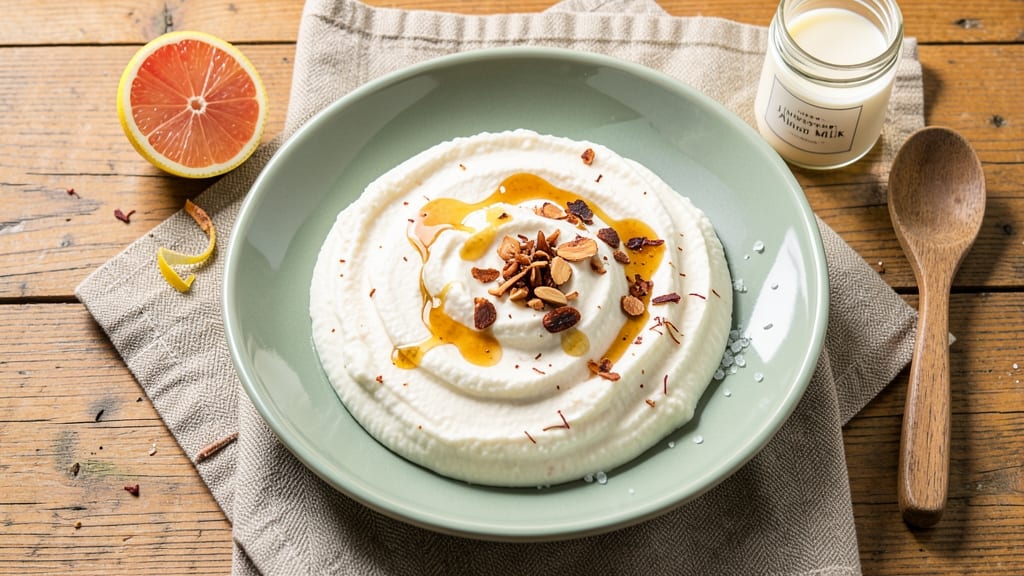
This almond milk ricotta cheese transforms simple pantry staples into a velvety, plant-based spread with a toasted nut finish that rivals traditional ricotta.
The secret lies in blending almond milk with a touch of acid (lemon juice or vinegar) to create that signature creamy texture, while toasting the almonds adds depth and crunch. I developed this recipe after craving a vegan alternative that could handle both sweet and savory dishes—it delivers every time.
The process is straightforward but requires patience: soak raw almonds overnight, blend them with fresh water and acid, then strain for a silky, ricotta-like consistency. No special equipment is needed—just a high-speed blender and cheesecloth.
The result is a neutral, adaptable base that absorbs flavors beautifully, whether you're spreading it on toast, dolloping it into pasta, or folding it into desserts.
What sets this recipe apart is its versatility. Use it as a vegan substitute in lasagna, stuffing, or breakfast dishes, or sweeten it with vanilla and maple syrup for a dessert-worthy ricotta.
The toasted almond finish adds a subtle crunch that elevates every bite, making it a standout in both savory and sweet applications.
Store it in an airtight container in the refrigerator for up to 5 days, or freeze for longer shelf life. This recipe proves plant-based doesn’t mean compromising on texture or flavor—just pure, creamy satisfaction. Let’s get started!
Ingredients for almond milk ricotta cheese
Transform raw almonds and simple pantry staples into velvety plant-based ricotta with this versatile recipe.
| Ingredient | Amount | Notes |
|---|---|---|
| Raw Almonds 🥜 | 1 cup | Unsalted, whole or slivered |
| Unsweetened Almond Milk 🥛 | 1 ½ cups | Homemade or store-bought, unsweetened |
| Fresh Lemon Juice 🍋 | 1 tbsp | Freshly squeezed, for acidity |
| Filtered Water 💧 | ½ cup | Room temperature, for blending |
| Fine Sea Salt 🧂 | ½ tsp | Diamond Crystal preferred |
| Pure Maple Syrup 🍁 | 1 tbsp | Optional, for subtle sweetness |
| Vanilla Extract 🌿 | ½ tsp | Pure vanilla, optional flavor |
| Cheesecloth 🧵 | 1 piece | For straining, or nut milk bag |
| Extra-Virgin Olive Oil 🫒 | 1 tbsp | For finishing, optional |
| Toasted Almond Slices 🥜 | 2 tbsp | For crunchy finish, optional |
The quality of almonds makes all the difference—opt for unsalted, raw almonds from a reputable brand like Anthony's Good Pair or Whole Foods bulk bins. Toasting them lightly before blending enhances their nutty depth. For almond milk, homemade yields the best texture, but Silk or Califia Farms unsweetened work well in a pinch. The lemon juice is critical for curdling the mixture properly; freshly squeezed ensures optimal acidity. If using store-bought almond milk, choose one with minimal additives for the cleanest flavor profile. For the cheesecloth, muslin or a clean kitchen towel in a pinch will strain just as effectively.
No almond milk? Cashew milk or oat milk can substitute, though texture may vary slightly. Short on lemon juice? Apple cider vinegar or white vinegar works at the same ratio. Want to skip the sweetener? The ricotta remains neutral enough for savory applications. For a richer finish, avocado oil can replace olive oil. The toasted almonds should be lightly browned—about 5-7 minutes at 350°F—to avoid bitterness. If you lack a high-speed blender, food processor works, though blending time may increase. For those avoiding nuts entirely, sunflower seed milk provides a similar texture base.
Store the ricotta in an airtight glass container in the fridge for up to 5 days, with a thin layer of water on top to preserve freshness. For longer storage, freeze in ice cube trays—thaw overnight in the fridge for best results. The texture firms up slightly when chilled, so let it sit at room temperature for 10 minutes before serving. This ricotta freezes beautifully, making it ideal for meal prep. When reheating, gentle warming on low heat preserves its delicate creaminess. The toasted almonds can be stored separately and added fresh before serving for optimal crunch.
Why You'll Love This Recipe
- Five-Ingredient Magic: I’ll be real—this recipe uses stuff I already have. Raw almonds, a splash of almond milk, lemon juice, water, and salt? That’s it. No fancy equipment, no waiting for cultures—just blend, simmer, and strain. Honestly, it’s the kind of recipe that makes me feel like I’ve hacked the system.
- Bright & Creamy: The lemon juice does something wild here—it brightens the almonds without overpowering them. You get that tangy, slightly sweet ricotta texture, but with a lift. Spread it on toast, dollop it in pasta, or eat it straight with a pinch of salt. It’s the kind of flavor that makes you pause mid-bite.
- Breakfast to Dessert: This isn’t just a ricotta—it’s a chameleon. Swirl it into overnight oats, blend it into smoothies for extra protein, or use it as a vegan mascarpone in tiramisu. I’ve even topped avocado toast with it when I’m lazy. The possibilities are endless, and it never feels like a stretch.
- Budget-Friendly Stash: A batch lasts me a week, and I’m not even trying. Store it in the fridge, and it keeps perfectly—no weird textures, no waste. Plus, raw almonds are cheaper than store-bought ricotta, and you control the quality. It’s my go-to for when I’m broke but still want to feel fancy. (Yes, even on a Tuesday night.)
Step-by-step instructions for almond milk ricotta cheese
Transform simple pantry staples into a velvety, plant-based ricotta with this precise method.
Soak the Raw Almonds for Maximum Yield
Place the 1 cup raw almonds in a medium bowl and cover completely with the 1.5 cups unsweetened almond milk. Let them soak at room temperature for 8-12 hours, or overnight in the refrigerator. This extended soaking ensures the almonds soften thoroughly, which is critical for achieving that silky ricotta texture.
I've found that soaking in the refrigerator actually works better—it prevents bacterial growth while maintaining even hydration. After soaking, drain the almonds through a fine-mesh strainer and reserve the liquid for later use. The almonds should be pliable when pressed between your fingers; if they resist, soak for another 2 hours.
Blend Until Ultra-Smooth
Transfer the drained almonds to a high-speed blender along with the 0.5 cup filtered water, 1 tbsp fresh lemon juice, 0.5 tsp fine sea salt, 1 tbsp pure maple syrup, and 0.5 tsp vanilla extract. Blend on high speed for 2-3 minutes until you achieve a completely smooth, almost custard-like consistency.
This is where patience pays off—don't rush it. You're looking for a texture that coats the back of a spoon with no visible almond particles. If the mixture looks too thick, add 1-2 tablespoons of the reserved almond milk from soaking and blend again. The lemon juice is essential here; it adds brightness and helps prevent the ricotta from becoming too dense.
Strain for Perfect Texture
Line a fine-mesh strainer with the cheesecloth and place it over a clean bowl. Pour the blended almond mixture into the strainer and let it drain for 10-15 minutes, pressing gently with a rubber spatula to extract all the liquid. The result should be a thick, creamy ricotta-like substance.
Don't be tempted to rush this step. The longer you strain, the thicker and more concentrated the ricotta will become. I typically press the mixture for an additional 5 minutes if I want an especially firm texture. The liquid that drains out (almond milk byproduct) can be saved for smoothies or baking—it's not wasted!
Finish and Serve
Transfer the strained ricotta to a serving bowl and gently fold in the 1 tbsp extra-virgin olive oil and 2 tbsp toasted almond slices. The olive oil adds richness while the toasted almond slices contribute a delightful crunch that contrasts beautifully with the creamy texture.
For best results, serve immediately while the ricotta is still warm from blending. It pairs perfectly with fresh fruit, drizzled with honey, or spread on toasted baguette slices. If storing, keep it refrigerated in an airtight container for up to 5 days, though I find it's best enjoyed within 24 hours for optimal freshness.
Pro Tips For Making Almond Milk Ricotta Cheese
- SOAK ALMONDS OVERNIGHT: I learned this the hard way—rushing the soak with warm water leaves your almonds gummy instead of creamy. Cold water overnight (12+ hours) breaks them down perfectly, and you’ll skip the tedious blending struggle later. No need to peel them afterward either.
- BLEND IN STAGES: Dump everything in the blender at once and you’ll end up with a gritty mess. Start with almonds, water, and a pinch of salt—blend until completely smooth. Then add the almond milk and lemon juice. This keeps the texture silky, not sandy.
- STRAIN THOROUGHLY: That cheesecloth isn’t just for show—press the ricotta through it for 10 minutes with a spoon. Skimp here, and you’ll taste almond bits in every bite. The first press is fast; the second, slower squeeze is where the magic happens.
- SALT THE FINAL MIX: Taste before adding the full salt—almond milk ricotta can get bland fast. A light sprinkle during blending is fine, but finish with a real pinch at the end. Trust me, your taste buds will notice the difference.
Regional styles of this dish
Italian-Inspired Dolce
This almond milk ricotta shines in traditional Italian desserts like ricotta-stuffed cannoli or tiramisu layers. Replace the ricotta in classic recipes with this plant-based version—it holds shape beautifully when chilled.
For cannoli, pipe the ricotta into shells and top with chocolate chips and toasted almonds. In tiramisu, layer it with espresso-soaked ladyfingers and cocoa powder for an authentic vegan twist. 🍮
Mediterranean Mezze
In Middle Eastern cuisine, spread this ricotta on warm pita bread with za'atar and olive oil for a vegan labneh alternative. Pair it with roasted red peppers, cherry tomatoes, and fresh mint for a refreshing mezze platter.
The neutral flavor lets Mediterranean herbs and spices take center stage while adding creaminess. I love serving it with grilled halloumi (or vegan halloumi) for a balanced plate.
Indian Sweet Dishes
Transform this ricotta into kheer (Indian rice pudding) by simmering it with basmati rice, cardamom, and saffron. The almond base enhances the nutty profile naturally found in traditional kheer.
For malpua (Indian pancakes), blend it into the batter for extra moisture and richness. The subtle sweetness from maple syrup complements Indian spices beautifully without overpowering them.
French Toasted Variations
Elevate French toast by spreading this ricotta between slices of brioche before dipping in egg batter. The almond richness pairs perfectly with vanilla custard and caramelized bananas. For a savory twist, mix it with herbes de Provence, garlic, and black pepper, then spread on sourdough before toasting.
The French appreciate this balance of creaminess and herbal notes in breakfast dishes. 🥖
Mexican Street Food
Use this ricotta as a creamy base for quesadillas or tacos al pastor. Mix it with chipotle peppers, cumin, and lime zest for a smoky-sweet filling. It holds up well when grilled, creating a melty texture without dairy.
For chilaquiles, drizzle it over crispy tortilla chips with salsa verde and avocado. The almond flavor adds depth to Mexican dishes while keeping them vegan-friendly.
Middle Eastern Breakfasts
In Lebanese cuisine, serve this ricotta with manakish (flatbread) topped with sumac and sesame seeds. The neutral flavor lets the tangy sumac and nutty sesame shine. For foul mudammas (fava dip), blend it into the fava bean mixture for extra creaminess.
The toasted almond finish mimics the texture of traditional tahini-based dips while adding a delightful crunch. Perfect for breakfast or mezze platters! 🌿
Nutrition facts
Frequently asked questions
Can I use store-bought almond milk instead of soaking raw almonds?
The recipe calls for raw almonds because they create a thicker, more authentic ricotta texture. Store-bought almond milk won't work the same way since it's already strained and lacks the almond solids needed for body. However, you can try blending 1 cup almond butter with 1 cup unsweetened almond milk and 1 tbsp lemon juice for a similar result. The texture will be slightly different but still delicious!
Why does my almond milk ricotta turn out grainy?
Graininess usually means the almonds weren't blended long enough or weren't soaked properly. For best results, blend on high speed for 2-3 minutes until completely smooth, and soak almonds for at least 8 hours. If using pre-soaked almond butter, ensure it's 100% natural with no added oils. The cheesecloth straining step also helps remove any remaining texture—press gently for 10-15 minutes.
How can I make this ricotta sweeter or savory?
For sweet applications, stir in 1 tbsp maple syrup or vanilla extract before serving. For savory dishes, mix in 1 tsp garlic powder, dried herbs, or a pinch of smoked paprika. The ricotta's neutral base absorbs flavors beautifully—just adjust seasonings to taste. Pro tip: Add a splash of white wine or nutritional yeast for extra depth in savory preparations!
Can I make this ricotta without cheesecloth?
Yes! If you don't have cheesecloth, use a clean kitchen towel or nut milk bag instead. For an emergency option, layer 2 coffee filters or paper towels in a strainer—just know the texture may be slightly less refined. The key is patience: press the mixture gently for 15+ minutes to extract maximum creaminess. The strained liquid (almond milk byproduct) can be saved for smoothies or baking!
How long does this ricotta last in the fridge?
This almond milk ricotta stays fresh for 5 days when stored in an airtight container in the refrigerator. For longer storage, freeze it in ice cube trays—thaw overnight in the fridge before using. The texture firms up slightly when chilled, so let it sit at room temperature for 10 minutes before serving. The toasted almonds can be stored separately and added fresh for optimal crunch.