
Side Dishes
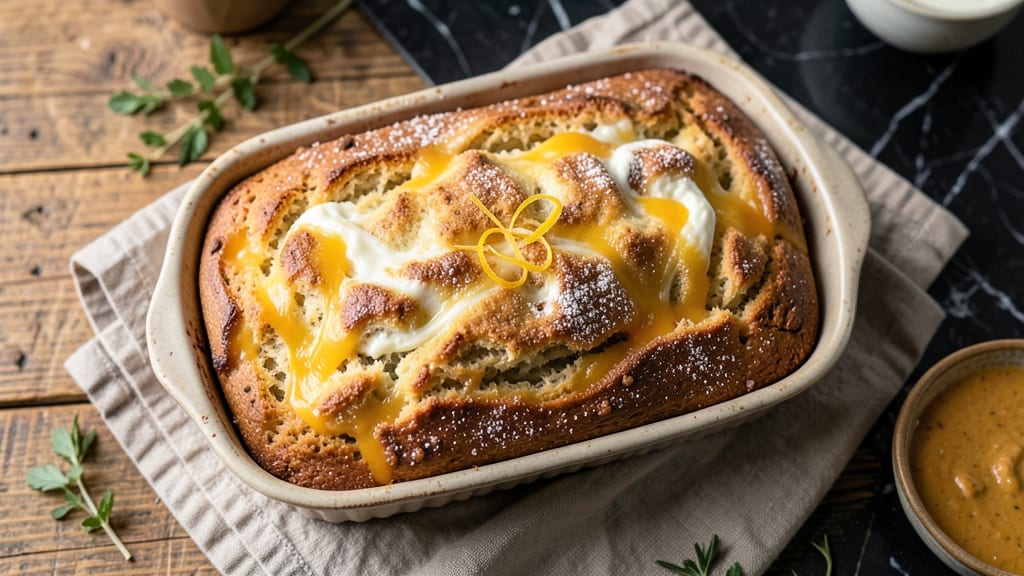
This almond flour cheese bread recipe delivers a golden crust and nutty cheese pulls that will impress even gluten-free skeptics. The secret lies in combining almond flour's natural richness with sharp cheddar and a touch of cream cheese for that signature stretchy texture.
I've perfected this recipe after years of baking experiments, ensuring it's foolproof for both beginners and experienced bakers.
The beauty of this recipe is its versatility—it's vegetarian, gluten-free, and ready in just 45 minutes with minimal prep work. The almond flour creates a tender yet sturdy base that holds up beautifully to the melty cheese, while a simple egg wash guarantees that perfect golden-brown crust.
What makes it special is how the cheese pulls apart into long, gooey strands when you slice into it—just like your favorite cheesy bread.
What you'll end up with is a loaf that's crispy on the outside, tender inside, and packed with that irresistible cheesy flavor in every bite. The nutty aroma from the almond flour pairs perfectly with the sharpness of the cheese, creating a harmonious balance that's both comforting and sophisticated.
This bread is perfect for serving alongside soups, salads, or as a delicious snack on its own.
For an extra touch of indulgence, consider adding a sprinkle of garlic powder or dried herbs to the dough before baking. The possibilities for variations are endless, but the core recipe remains simple and reliable.
Let's get started on creating this crowd-pleasing almond flour cheese bread that's sure to become a staple in your kitchen.
Ingredients for almond flour cheese bread
Golden crust and nutty cheese pulls start with these simple, gluten-free ingredients.
| Ingredient | Amount | Notes |
|---|---|---|
| Almond Flour 🌰 | 2 ½ cups | Finely ground for best texture |
| Sharp Cheddar Cheese 🧀 | 1 ½ cups | Shredded, block preferred |
| Cream Cheese 🧀 | 4 oz | Room temperature for blending |
| Large Eggs 🥚 | 2 whole | Room temperature for even baking |
| Unsalted Butter 🧈 | ½ cup | Cold, cubed for dough |
| Milk 🥛 | ¼ cup | Warm for best blending |
| Garlic Powder 🧄 | 1 tsp | For extra flavor depth |
| Dried Parsley 🌿 | 1 tsp | Or 1 tbsp fresh chopped |
| Salt 🧂 | 1 ½ tsp | Diamond Crystal preferred |
| Baking Powder 🍞 | 1 tsp | For light texture |
| Black Pepper 🌶️ | ½ tsp | Freshly ground preferred |
| Egg Wash 🥚 | 1 whole | 1 egg + 1 tbsp milk |
| Sesame Seeds 🌾 | 1 tbsp | Optional for topping |
Almond flour is the star here—Bob's Red Mill or Anthony's Goods are my go-tos since they're finely ground and consistent. The sharp cheddar makes all the difference (avoid pre-shredded—it has anti-caking agents that prevent proper melting). For the cream cheese, Philadelphia works perfectly, but any full-fat brand will do. If you're buying a whole block of cheddar, shred it yourself—it melts so much better. The almond flour can be pricey, but it's worth it for that authentic cheesy bread texture without gluten.
No almond flour? Cashew flour at 1:1 ratio works in a pinch, but the flavor won't be identical. Substituting dairy-free cheese? Miyoko's or Violife shredded cheeses melt well, though they won't pull quite as dramatically. The egg wash is non-negotiable for that golden crust—don't skip it. If you're feeling fancy, add a pinch of smoked paprika to the dough for depth. For extra flavor, swap dried parsley for dried dill or add a dash of onion powder. And if you're short on time, use pre-shredded Parmesan for the sesame seed topping—it adds a nice salty contrast.
This dough keeps for 2 days in the fridge wrapped tightly in plastic. For longer storage, freeze the shaped loaf for up to 3 months—just thaw overnight before baking. The baked bread stays fresh for 3 days at room temperature if wrapped well. Pro tip: Slice and freeze individual portions for quick toastable cheesy bread anytime. And if you're making this ahead for a party, bake it the night before—it reheats beautifully in a 350°F oven for 10 minutes.
Why You'll Love This Recipe
- No-Fuss Mixing: I swear by the 5-minute prep—just toss almond flour, shredded cheddar, cream cheese, and eggs in a bowl. No sifting, no kneading, just stir until it holds together. (Yes, even when I’m scrolling through my phone mid-mix.)
- Cheesy Crisp Magic: That sharp cheddar and cream cheese combo? It’s the kind of flavor that makes you pause mid-bite. The outside gets golden and crunchy while the inside stays tender—like a hug from your favorite comfort food.
- Weeknight Hero: Freeze half the batch and you’ve got instant toast for lazy mornings or a quick snack. Toss it in the toaster or air fryer—no reheating drama, just perfect every time. (My kids call it “the easy bread.”)
- Budget-Friendly Luxury: Almond flour might sound fancy, but it stretches further than regular flour, and the cheeses add richness without breaking the bank. One loaf feeds my family for days, and leftovers? They disappear faster than I can say “second slice.”
Step-by-step instructions for almond flour cheese bread
Here's how to craft a golden, nutty cheese pull bread with a perfect balance of crispy crust and gooey cheese.
Mix Wet Ingredients for Smooth Dough
In a large mixing bowl, combine the 0.5 cup unsalted butter and 4 oz cream cheese using a hand mixer on medium speed until light and fluffy—about 2-3 minutes. This step is crucial because cold butter creates pockets of air that make the bread tender. I like to use my stand mixer for this part because it ensures even blending without overworking the mixture.
Next, add the 2 whole large eggs and 0.25 cup milk to the butter mixture. Mix on low speed until fully incorporated, scraping down the sides of the bowl as needed. Warm milk blends more smoothly, so I always microwave it for 10-15 seconds before adding. The mixture should be thick but pourable—if it's too stiff, add 1 tablespoon of milk at a time until it reaches the right consistency.
Combine Dry Ingredients and Form the Dough
In a separate bowl, whisk together the 2.5 cups almond flour, 1.5 cups sharp cheddar cheese, 1.5 tsp salt, 1 tsp baking powder, 0.5 tsp black pepper, 1 tsp garlic powder, and 1 tsp dried parsley. The almond flour should be finely ground—if it's lumpy, sift it first for a smoother texture. This dry mixture is the foundation of the bread's structure, so don't skip blending it well.
Gradually add the dry ingredients to the wet mixture, mixing on low speed until just combined. Be careful not to overmix—stop as soon as the dough comes together. If the dough feels too sticky, add 1 tablespoon of almond flour at a time until it's workable. Once combined, transfer the dough to a lightly greased bowl, cover with plastic wrap, and refrigerate for 30 minutes to firm up slightly. This chilling step makes shaping easier and prevents the bread from spreading too much in the oven.
Shape and Prepare the Loaf
Preheat your oven to 350°F and line a 9x5-inch loaf pan with parchment paper, leaving an overhang on the sides for easy removal. After chilling, remove the dough from the bowl and gently shape it into a rectangle about 9x5 inches to fit the pan. Press the dough evenly into the pan, smoothing the top with your fingers. The dough will be soft but should hold its shape—if it cracks, just press it back together gently.
In a small bowl, whisk together the 1 whole egg wash (1 egg + 1 tablespoon milk). Brush the egg wash evenly over the top of the dough, then sprinkle with 1 tablespoon sesame seeds if using. This step adds flavor and a beautiful golden finish. Place the loaf pan on a baking sheet to catch any potential overflow, as almond flour bread can be a little messy.
Bake to Golden Perfection
Bake the bread in the preheated oven for 45-50 minutes, or until the top is deep golden brown and a toothpick inserted into the center comes out clean. The bread is done when the edges pull away slightly from the pan and the top has a crispy, crackly texture. I like to check the bread at the 40-minute mark—every oven runs slightly differently, so don't be afraid to adjust the time based on your oven's behavior.
Once baked, remove the bread from the oven and let it cool in the pan for 10 minutes before transferring it to a wire rack. This resting period allows the bread to set and makes slicing easier. If you try to slice it too soon, the cheese pulls might fall apart. Serve warm for the best experience—this bread is at its most flavorful and gooey when freshly baked, with that perfect contrast of crispy crust and soft, cheesy interior.
Pro Tips For Making Almond Flour Cheese Bread
- Mix the dough cold: Almond flour hates warmth—it turns gummy faster than you can say "gluten-free disaster." Work the butter and cheeses into the almond flour with your hands until it forms a rough dough, then chill it for at least 30 minutes. This prevents the fat from melting and turning your bread into a sad, dense brick.
- Grate cheese fine: Sharp cheddar in big chunks? Nope. Use a box grater (not a food processor—it packs the cheese too tightly) and shred it yourself. The finer the crumb, the more evenly it melts and distributes, giving you that classic cheesy pull instead of random cheesy pockets. (Yes, it takes 2 minutes—do it.)
- Don’t overmix the batter: Once you add the eggs, stop stirring after 2-3 turns. Almond flour releases starch aggressively, and overworking it turns your bread into a dense, crumbly mess. Fold just until combined—like folding a fitted sheet, not kneading bread dough.
- Bake in a preheated pan: Place your loaf pan in the oven while it’s preheating—this guarantees the bread climbs to golden perfection without a flat top. If you’re using a cast-iron skillet, heat it for 5 minutes first to mimic a professional bakery’s sear. (Your future toast will thank you.)
Pro cooking tips for this recipe
Dough Consistency Secrets
The key to perfect almond flour cheese bread lies in achieving the right dough consistency. Almond flour absorbs moisture differently than wheat flour, so don't be tempted to add extra liquid.
Instead, mix the wet ingredients—butter, cream cheese, eggs, and milk—until completely smooth and fluffy before combining with the dry ingredients. I always use a hand mixer for this step to incorporate air, which helps create that tender yet sturdy texture.
If your dough feels too sticky after mixing, add 1 tablespoon of almond flour at a time until it's just workable. Overworking the dough can make it dense, so mix just until combined. 🌰
Chilling for Success
Never skip the 30-minute chilling step—this is where the magic happens. The cold dough firms up slightly, making it much easier to shape without sticking to your hands or the pan. I place my dough in the fridge wrapped tightly in plastic wrap to prevent drying.
This also prevents excessive spreading in the oven, which is especially important with almond flour since it doesn't have gluten to hold its shape. Pro tip: If you're short on time, chill for at least 20 minutes, but don't rush it—patience here pays off with better texture.
Pan Prep Matters
Line your 9x5-inch loaf pan with parchment paper, leaving an overhang on the sides for easy removal. I always grease the parchment lightly with butter before adding the dough to prevent sticking.
The sesame seeds or other toppings will stick to the parchment rather than the dough, making for a cleaner slice. Place the pan on a baking sheet to catch any potential overflow—almond flour dough can be a little messy when baking!
For extra insurance, I like to use a lightweight aluminum pan which heats up faster and gives a better rise than heavy steel pans. 🍞
Baking Time Precision
Every oven behaves differently, so I recommend checking your bread at the 40-minute mark rather than waiting for the full 45-50 minutes. Look for a deep golden brown color and edges that pull away slightly from the pan.
The internal temperature should reach 190-200°F when measured with an instant-read thermometer. If your bread browns too quickly, tent it loosely with aluminum foil to prevent over-browning while it finishes cooking. For even baking, rotate the pan halfway through the cooking time if your oven has hot spots.
Resting Before Slicing
This is where many home bakers make their biggest mistake—they cut into the bread too soon! Let your almond flour cheese bread cool in the pan for 10 minutes before transferring it to a wire rack.
This resting period allows the cheese to set slightly and the bread to firm up, which makes for cleaner slices with those perfect cheese pulls. If you try to slice immediately, the cheese will ooze out and the bread will fall apart.
I find that serving it warm (within 30 minutes of baking) gives the best texture and flavor contrast between the crispy crust and gooey interior. 💫
Nutrition facts
Frequently asked questions
Why does my almond flour cheese bread turn out crumbly instead of chewy?
Almond flour naturally absorbs more moisture than wheat flour, so overmixing or adding too much liquid causes crumbly results. The key is mixing just until combined—stop as soon as the dough comes together. Also ensure your almond flour is finely ground (not coarse) and don't skip the 30-minute chilling step—this helps bind the texture properly.
Can I make this recipe without dairy? What's the best cheese substitute?
For a dairy-free version, replace the sharp cheddar with Miyoko's or Violife shredded cheddar and use dairy-free cream cheese (like Kite Hill). For extra richness, add 2 tablespoons of nutritional yeast to mimic the umami depth of dairy cheese. The texture won't pull quite as dramatically, but it'll still be delicious!
How do I get the perfect golden crust like in your photos?
The egg wash is non-negotiable for that golden finish! Whisk 1 whole egg + 1 tablespoon milk and brush it generously over the shaped dough before baking. For extra shine, broil for 1-2 minutes at the end (watch closely to avoid burning). Baking in a lightweight aluminum pan also helps achieve a crispier crust than heavy steel pans.
Can I make this recipe in a different shape (like rolls or a sheet pan)?
For rolls, divide the dough into 8 equal portions and shape into balls. Bake on a parchment-lined sheet pan at 350°F for 20-25 minutes until golden. For a sheet pan version, press the dough into a 12x17-inch rectangle on parchment, cut into squares, and bake for 25-30 minutes. The baking time will be shorter than the loaf version.
Why did my cheese bread not pull apart when sliced?
Cheese pulls happen when the cheese melts just enough to stretch but still holds its shape. If yours didn't pull, either the cheese wasn't sharp enough (use extra sharp cheddar) or the bread cooled too quickly. Let it rest in the pan for 10 full minutes after baking, then transfer to a wire rack. Also ensure your oven wasn't too hot—350°F is ideal for even melting.