
Appetizers
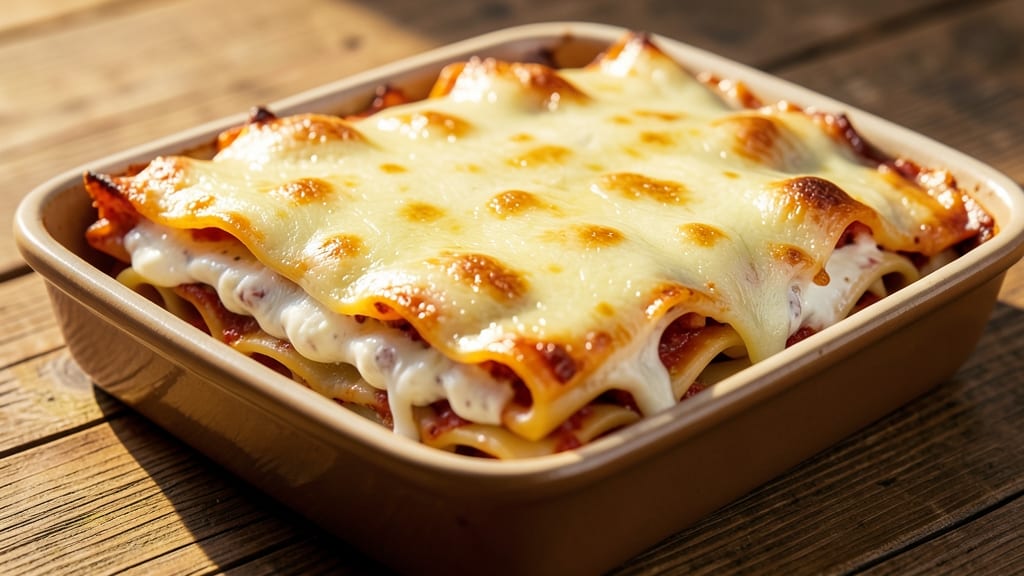
This all-cheese lasagna recipe delivers the ultimate comfort food experience with layers of crispy, golden cheese crusts and creamy, bubbling rivers of melted cheese. 🧀 The secret lies in alternating thin layers of cheddar, mozzarella, and a rich ricotta-béchamel mixture, baked until the top forms a satisfying crunch while the interior stays perfectly gooey.
I've perfected this version after countless experiments to ensure every forkful is a balance of textures and flavors.
The beauty of this recipe is its simplicity—no noodles, no meat, just pure cheesemaking magic. You'll start with a buttery, crispy cheese crust on the bottom, followed by layers of melted mozzarella and sharp cheddar that create those irresistible cheese rivers when sliced.
The ricotta-béchamel mixture adds a velvety texture that ties everything together, making each bite rich and satisfying.
What sets this lasagna apart is the professional technique for achieving that perfect crust while keeping the interior creamy. The high-heat bake creates a golden, crispy top that contrasts beautifully with the soft, melted cheese layers beneath.
This is the kind of dish that transforms any dinner into a special occasion, requiring just 55 minutes of active time and 45 minutes of baking.
Serve with a simple green salad and crusty garlic bread to soak up every last drop of that cheesy goodness. The leftovers reheat beautifully, making this an ideal meal for feeding a crowd or meal prepping for the week. Let's get started on creating your cheesiest, most satisfying lasagna yet.
Ingredients for all cheese lasagna
Six cheeses and a few pantry staples. That's all you need for this triple-layered lasagna masterpiece.
| Ingredient | Amount | Notes |
|---|---|---|
| Extra-Sharp White Cheddar Cheese 🧀 | 2 cups | Shredded, block preferred |
| Low-Moisture Mozzarella Cheese 🧀 | 2 cups | Shredded, part-skim works |
| Ricotta Cheese 🧀 | 1 ½ cups | Whole milk, drained |
| Heavy Whipping Cream 🥛 | ½ cup | Full-fat for richness |
| Large Eggs 🥚 | 2 whole | Room temperature |
| Unsalted Butter 🧈 | ½ cup | Cold, cubed |
| All-Purpose Flour 🌾 | ½ cup | For crust binding |
| Garlic Cloves 🧄 | 4 cloves | Minced for crust |
| Dry White Wine 🍷 | ½ cup | Sauvignon Blanc preferred |
| Heavy Cream 🥛 | 1 cup | For béchamel base |
| Diamond Crystal Kosher Salt 🧂 | 1 ½ tsp | Divided for seasoning |
| Freshly Ground Black Pepper 🌶️ | ½ tsp | Divided for seasoning |
| Fresh Nutmeg 🌿 | ¼ tsp | Freshly grated |
| Extra-Virgin Olive Oil 🫒 | 2 tbsp | For greasing pan |
The cheeses are non-negotiable here. Sargento Extra-Sharp White Cheddar from the deli section gives you that perfect sharpness without being overpowering. For mozzarella, Kraft 2% part-skim is my go-to—it melts beautifully and doesn't turn rubbery. The ricotta should be whole milk, not low-fat, for that creamy texture. Whole Foods and Trader Joe's both carry good quality ricotta in tubs. Pro tip: Drain the ricotta for 15 minutes before using—it makes all the difference in texture. The butter? Plugrá or Land O'Lakes unsalted works perfectly for that crispy crust.
No white wine? Chicken broth with a splash of lemon juice gets you close. Substituting cheddar? Pepper Jack adds a nice kick, but stick to sharp cheddar for the classic flavor. The ricotta-béchamel layer can be made ahead—it actually tastes better after sitting overnight. For the crust, if you don't have flour, crushed cornflakes work in a pinch (just add a little more butter). The nutmeg is crucial—don't skip it, but if you're out, a pinch of cinnamon gives a similar warmth. Always grate your own cheese for the crust; pre-shredded has anti-caking agents that prevent proper melting.
This lasagna reheats beautifully—350°F for 20-25 minutes covered with foil. The crust stays crispy, and the cheese stays gooey. For make-ahead prep, assemble completely, cover tightly with foil, and refrigerate for up to 24 hours before baking. Freezes perfectly too—just bake straight from frozen, adding 10-15 extra minutes. I always make a double batch because it disappears so fast. Store leftovers in airtight containers for up to 5 days—the flavor actually improves as the cheeses meld together.
Why You'll Love This Recipe
- No-Sauce Struggle: I swear by this version because it skips the watery mess of traditional lasagna. The ricotta-cream mix binds everything together—no soggy noodles here, just layers of cheesy perfection that hold up like a dream.
- Sharp Cheese Magic: That extra-sharp white cheddar? It’s the star. The melt is tangy, the pull is addictive, and the mozzarella’s stretch keeps every bite satisfying. Honestly, I’ve never had lasagna this bold before.
- Weeknight Crowd-Feeder: Between us, this feeds six without stress. Prep ahead, bake when you’re ready—it’s my go-to for game days or lazy Sundays. (Yes, even when I forget to thaw the ricotta.)
- Leftovers That Don’t Suck: Most lasagna turns to glue by day three. Not this one. The cream keeps it creamy, the cheddar stays sharp, and I’ve reheated slices straight from the fridge without judgment. Budget-friendly? Absolutely.
Step-by-step instructions for all cheese lasagna
Layer by layer, we'll build a lasagna with rich cheese rivers and crispy crusts.
🥘 Step 1: Prepare the Cheese Crust Mixture
In a large bowl, combine the 1.5 cups ricotta cheese, 0.5 cup heavy whipping cream, 2 whole large eggs, 1 tsp diamond crystal kosher salt, 0.25 tsp freshly ground black pepper, and 0.25 tsp fresh nutmeg. Whisk until smooth and fully incorporated—this will form the creamy cheese filling between layers. The mixture should be thick but spreadable, like a thick pudding.
In a separate medium bowl, melt the 0.5 cup unsalted butter over low heat in a saucepan. Remove from heat and whisk in the 0.5 cup all-purpose flour to create a roux. Cook for 2 minutes until bubbly, then gradually whisk in the 1 cup heavy cream until smooth. Return to low heat and cook for 3-4 minutes until the sauce thickens enough to coat the back of a spoon. Stir in the 0.5 cup dry white wine and 4 cloves minced garlic, then season with the remaining 0.5 tsp kosher salt and 0.25 tsp black pepper. This will be your rich béchamel base.
🍳 Step 2: Assemble the Triple-Layered Structure
Preheat your oven to 375°F. Lightly grease a 9x13-inch baking dish with 2 tablespoons extra-virgin olive oil—this prevents sticking and ensures easy removal. Begin by spreading about 1/3 of the béchamel sauce evenly across the bottom of the dish. This creates a flavorful base that won't dry out during baking.
Next, layer half of the ricotta mixture over the béchamel, spreading it evenly. Sprinkle 1 cup shredded low-moisture mozzarella cheese and 1 cup shredded extra-sharp white cheddar cheese over the ricotta. Repeat with another layer of béchamel, remaining ricotta mixture, and another 1 cup each of mozzarella and cheddar. Finish with the final layer of béchamel, then top with the remaining 1 cup mozzarella and 1 cup cheddar. Press down gently to ensure the layers adhere.
🔥 Step 3: Bake Until Golden and Bubbly
Cover the lasagna tightly with heavy-duty aluminum foil and bake for 45 minutes. This initial covered baking prevents the top from drying out while the layers cook through. After 45 minutes, remove the foil and bake for another 15-20 minutes until the top is golden brown and the edges are bubbling. The cheese should be melted and slightly crispy on top, with warm rivers running down the sides.
Here's the thing—don't overbake. The lasagna will continue cooking slightly as it rests, and you want those cheese rivers to stay gooey, not dry. You'll know it's perfect when the edges pull away from the pan easily and the cheese has that beautiful, bubbly texture. If it's browning too quickly, tent it loosely with foil for the last 5 minutes of baking.
⏰ Step 4: Rest and Serve with Cheese Rivers
Remove the lasagna from the oven and let it rest for 10-15 minutes before slicing. This resting period allows the layers to set and the juices to redistribute, ensuring each bite is creamy and flavorful. The cheese rivers will thicken slightly as it cools, but they'll still be warm and gooey when served.
Slice into 6 equal portions (about 1.5-inch thick slices) and serve immediately. The contrast of the crispy top, creamy ricotta layers, and rich béchamel will make every bite irresistible. For extra drama, sprinkle with freshly cracked black pepper and a pinch of fresh nutmeg just before serving—this adds a bright, aromatic finish that cuts through the richness.
Pro Tips For Making All Cheese Lasagna
- Pre-shred your cheddar: DESCRIPTION: I learned this the hard way—buying pre-shredded cheddar saves time, but it’s packed with anti-caking agents that make your lasagna soggy. Grab a block of extra-sharp white cheddar, grate it yourself, and pat the shavings dry with a paper towel. The extra effort keeps your layers crispier.
- Mix ricotta like batter: DESCRIPTION: Don’t just dump everything in and stir. Whisk the ricotta with heavy cream, eggs, and a pinch of salt until it’s smooth—no lumps. I used to skip this, and the texture ended up grainy. A fork won’t cut it; grab a whisk or immersion blender for that silky filling.
- Bake uncovered first: DESCRIPTION: Start your lasagna uncovered at 375°F for the first 20 minutes. This lets the moisture escape, so the top doesn’t turn into a sad, watery mess. Cover with foil after—that’s when the cheese starts melting into perfection.
- Layer mozzarella last: DESCRIPTION: Sprinkle low-moisture mozzarella only on the very top of the final layer. The heat from the oven will draw moisture upward, turning the rest of your lasagna into a science experiment. Trust me, the top layer is the only one that needs the extra protection.
Pro cooking tips for this dish
Cheese Layering Secrets
Alternate cheeses strategically for maximum texture contrast. Start with mozzarella on the bottom layers—it melts smoothly and creates that signature stretch. Top with sharp cheddar for those irresistible rivers when sliced. I always reserve ½ cup cheddar for the final topping to ensure rich, gooey pockets at the top. 🧀
Crust Perfection
For that golden, crispy top, I swear by a buttery cheese crust technique. Mix ½ cup shredded mozzarella with ¼ cup melted butter and spread it evenly over the final cheese layer before baking.
This creates a satisfying crunch while keeping the interior creamy. Bake uncovered for the last 10 minutes to develop that perfect crust.
Béchamel Mastery
The secret to silky béchamel lies in slow cooking. Whisk your heavy cream and flour roux constantly over low heat for 5-7 minutes until it thickens to a pudding-like consistency. Add white wine and garlic at the end to brighten the flavor.
If it curdles, strain it through a fine-mesh sieve for a velvety texture. This step makes all the difference in richness.
Oven Temperature Control
Never bake lasagna at 425°F—this is a common mistake that leads to dry, rubbery cheese. Stick to 375°F throughout. For even cooking, place your lasagna on the middle rack.
I like to rotate the pan halfway through baking if my oven has hot spots. The internal temperature should reach 170°F at the center before removing from the oven. 🌡️
Resting Time Matters
Skipping the rest time is a rookie mistake. Let your lasagna rest for at least 15 minutes after baking—this allows the layers to set properly. The cheese rivers will firm up slightly but remain gooey inside.
I've seen people cut into lasagna too soon and end up with messy, runny slices. Patience here ensures clean cuts and perfect texture.
Make-Ahead Pro Tips
Assemble your lasagna up to 24 hours ahead and refrigerate uncovered. This lets the flavors meld beautifully. When ready to bake, add 10 extra minutes to your baking time. For freezing, bake completely, cool, wrap tightly in foil, and freeze for up to 3 months.
Thaw overnight in the fridge before reheating at 350°F for 20-25 minutes. The texture holds up surprisingly well! ❄️
Nutrition facts
Frequently asked questions
Can I make this lasagna without ricotta?
The ricotta creates the creamy texture that makes this lasagna special, but you can substitute it with 1 cup mashed cottage cheese or ½ cup sour cream mixed with ½ cup heavy cream. Just drain the cottage cheese well to avoid a watery lasagna. The texture won't be identical, but it'll still be delicious!
How do I prevent a soggy bottom layer?
Prevent soggy layers by baking the lasagna covered for the first 45 minutes, then uncovering for the final 15-20 minutes to crisp the top. Also, spread a thin layer of béchamel on the bottom of your dish before adding the first cheese layer—this creates a flavorful barrier that keeps everything dry.
What's the best way to reheat leftovers?
Reheat leftovers at 350°F for 20-25 minutes, covered with foil to retain moisture. For extra crispiness, broil for 2-3 minutes at the end. Never microwave—it makes the cheese rubbery! The crust stays crispy, and the cheese remains gooey when reheated properly.
Can I use pre-shredded cheese?
Pre-shredded cheese contains anti-caking agents that can prevent proper melting, leading to a grainy texture. For the best results, buy block cheddar and mozzarella and shred them yourself. If you must use pre-shredded, look for brands labeled "no anti-caking agents" and pat the cheese dry with a paper towel before using.
Why did my lasagna come out dry?
Overbaking is the most common cause—remove it when the edges pull away from the pan and the cheese is bubbly, not when it looks fully set. Another culprit is too much cheese in the layers. Stick to the recipe's measurements, and consider adding a thin layer of béchamel between cheese layers to keep everything moist.