
Salads
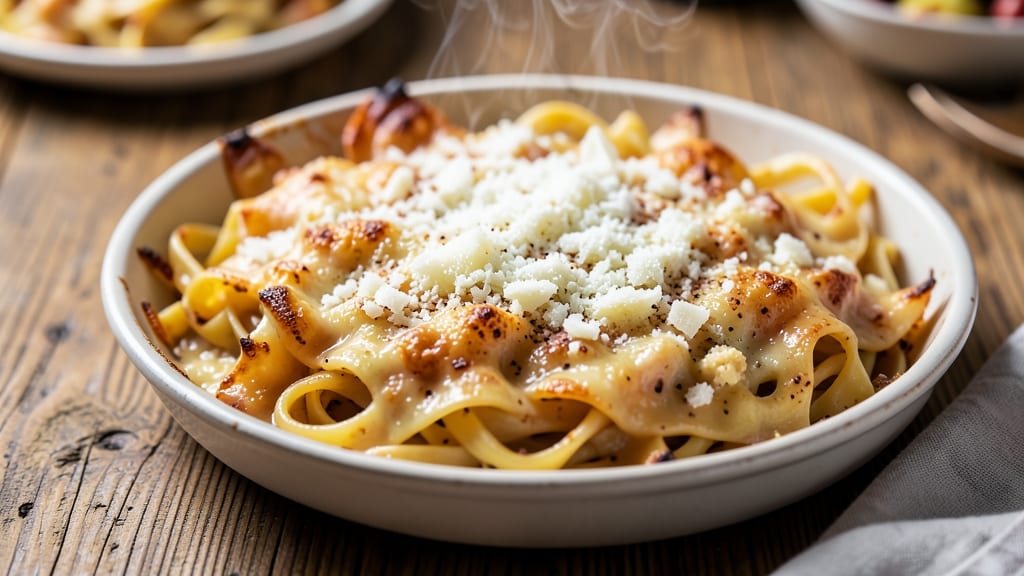
Alice Waters' cheese and pasta gratin transforms simple ingredients into a restaurant-quality dish with its golden crust and layers of melted cheese. This vegetarian masterpiece balances creamy, cheesy comfort with bright, herbaceous notes—perfect for a cozy weeknight dinner or an elegant gathering.
The secret lies in the careful layering of pasta, cheese, and a rich, aromatic broth-based sauce, all baked to perfection.
What sets this gratin apart is its textural contrast: crispy, caramelized top layers give way to tender pasta and velvety cheese, all infused with fresh herbs and a touch of nutmeg.
The recipe emphasizes seasonal ingredients, like Gruyère or Parmesan, which add depth without overpowering the dish. No shortcuts here—just patient assembly and precise baking for that signature crusty finish.
The result is a dish that’s rich yet balanced, with every bite offering a harmony of flavors and textures. The sauce clings to the pasta, the cheese melts into gooey perfection, and the crust crackles with each forkful.
Serve with a simple arugula salad or crusty bread to soak up every last drop of that decadent sauce—this is comfort food elevated.
Whether you're a seasoned home cook or a beginner, this gratin delivers foolproof results with minimal fuss. The technique is straightforward, but the outcome feels indulgent—just like a dish from Alice Waters' own table. Let’s get started on creating your own golden, cheesy masterpiece.
Ingredients for alice waters cheese and pasta gratin
Sixteen essential ingredients craft Alice Waters' golden crust and velvety cheese layers.
| Ingredient | Amount | Notes |
|---|---|---|
| Gruyère Cheese 🧀 | 2 cups | Freshly grated, aged 12+ months |
| Parmesan Cheese 🧀 | 1 ½ cups | Freshly grated, high-fat content |
| Heavy Cream 🥛 | 1 ½ cups | Full-fat for optimal creaminess |
| Whole Milk 🥛 | 1 cup | Warmed for smooth blending |
| Vegetable Broth 💧 | 2 cups | Homemade or low-sodium store-bought |
| Fettuccine Pasta 🍝 | 1 ½ lbs | Fresh or high-quality dried |
| Fresh Thyme 🌿 | ¼ cup | Leaves only, finely chopped |
| Fresh Nutmeg 🌶️ | ½ tsp | Freshly grated for best flavor |
| Garlic Cloves 🧄 | 4 cloves | Minced, for aromatic base |
| Shallots 🧅 | 2 whole | Finely diced, for subtle sweetness |
| Extra-Virgin Olive Oil 🫒 | ½ cup | High-quality, fruity variety |
| Diamond Crystal Kosher Salt 🧂 | 1 ½ tsp | For seasoning and crust development |
| White Pepper 🌶️ | ½ tsp | Freshly cracked for subtle heat |
| Unsalted Butter 🧈 | 4 tbsp | Cold, cubed for crispy crust |
| Freshly Baked Breadcrumbs 🍞 | ½ cup | For enhanced crust texture |
The cheeses are non-negotiable here. Gruyère from Cowgirl Creamery or Murray's Cheese delivers that signature nutty depth, while Parmigiano-Reggiano from a block adds umami punch. Look for aged Gruyère with visible crystals—those are your flavor markers. Freshly grating both cheeses releases more flavor than pre-shredded. The fresh thyme should smell vibrant; if it's wilted, toss it. For the pasta, De Cecco or Barilla dried fettuccine holds up well to baking, but fresh pasta from Trader Joe's adds a delicate texture if you're feeling ambitious.
No Gruyère? Comté or Emmental can stand in, though the flavor will be milder. Short on fresh thyme? Dried thyme at one-third the amount works, but fresh is ideal. The vegetable broth can be swapped for white wine or cream**, but the wine adds acidity that may require extra cheese. For the crust, panko breadcrumbs work in a pinch, but freshly baked breadcrumbs give that perfect crunch. The nutmeg must be fresh—pre-ground loses potency quickly. If you're using dried nutmeg, toast it lightly in a dry pan to wake up the flavor.
The gratin reheats beautifully—4-5 days in the fridge, 3 months frozen. For freezing, assemble the dish, bake until just set, then cool completely before wrapping tightly in parchment and foil. Reheat covered at 350°F for 20-25 minutes until bubbly. The crust will crisp up again as it reheats. Portion into individual ramekins before baking for elegant serving. Leftovers? This dish is even better the second day, as flavors meld further.
Why You'll Love This Recipe
- One-Pan Magic: I swear by this recipe when I’m too tired to wash dishes. The Gruyère and Parmesan melt into a golden crust while the pasta below soaks up the creamy broth—no extra pots, no fuss, just chef’s kiss cleanup.
- Rich Without Effort: Between us, the heavy cream and whole milk make this dish feel luxurious, but honestly? It’s just a few ingredients simmered together. That crispy top with the gooey center? Zero work, all reward.
- Weeknight to Weekend: I make this for lazy Tuesdays and Sunday dinners—it’s that good. The broth keeps it light enough for a weeknight, but the cheese makes it feel special enough for company. (Yes, even on a Tuesday night.)
- Leftovers That Don’t Suffer: Most gratins turn into gluey messes the next day, but this one? Reheats like a dream. I’ll be real: my kids actually ask for it for lunch, and that’s saying something. Budget-friendly, too—just a handful of ingredients stretching into multiple meals.
Step-by-step instructions for Alice Waters' cheese and pasta gratin
Master this technique and you'll achieve the perfect balance of crispy crust and melt-in-your-mouth cheese layers.
🍳 Step 1: Cook the Pasta Al Dente and Prepare the Cheese Sauce
Bring a large pot of well-salted water to a rolling boil and cook the 1.5 lbs fettuccine pasta until 1 minute before the package instructions specify for al dente. Reserve 1 cup of the pasta water before draining, as this starchy liquid is essential for creating a silky sauce. While the pasta cooks, heat 1 cup whole milk and 1.5 cups heavy cream in a saucepan over medium heat until steaming but not boiling.
In a separate bowl, whisk together 2 cups freshly grated Gruyère cheese, 1.5 cups freshly grated Parmesan cheese, 0.5 tsp freshly cracked white pepper, and 0.5 tsp freshly grated nutmeg. Slowly pour the warm milk-cream mixture into the cheese while whisking constantly to create a smooth, velvety sauce. If the sauce thickens too much, whisk in 1-2 tablespoons of the reserved pasta water to restore the proper consistency. The sauce should be thick enough to coat the back of a spoon but still flow freely.
🍳 Step 2: Build the Gratin Layers with Precision
Preheat your oven to 375°F. In a large, deep baking dish (about 9x13 inches), spread half of the cooked fettuccine in an even layer. This forms the foundation for your gratin. Next, pour half of the cheese sauce over the pasta, spreading it evenly with a spatula. The sauce should penetrate the pasta strands completely, creating a cohesive layer.
Now comes the critical step: sprinkle half of the 0.5 cup freshly baked breadcrumbs evenly over the cheese sauce. This topping will create the signature crispy crust. Repeat the layering process with the remaining pasta, cheese sauce, and breadcrumbs. The final layer should be breadcrumbs to ensure maximum browning and texture contrast. Press down gently on the breadcrumbs with the back of a spoon to help them adhere to the cheese layer.
🔥 Step 3: Develop the Aromatic Base and Assemble the Gratin
While the oven preheats, create the aromatic base by heating 0.5 cup extra-virgin olive oil in a skillet over medium heat. Add the 2 finely diced shallots and 4 minced garlic cloves, sautéing for 3-4 minutes until the shallots are translucent and the garlic is fragrant but not browned. Add the 0.25 cup finely chopped fresh thyme and cook for an additional 1 minute, stirring constantly.
Remove the skillet from heat and let the mixture cool slightly. Spread this aromatic mixture evenly over the top of the gratin, pressing it gently into the breadcrumb layer. This step infuses the entire dish with complex flavor. Dot the top with the 4 tbsp cold cubed unsalted butter, which will melt and create additional richness during baking. The butter should be distributed evenly across the surface.
🔥 Step 4: Bake to Golden Perfection and Develop the Crust
Place the baking dish on the center rack of your preheated oven and bake for 30 minutes. After this initial baking period, increase the oven temperature to 400°F for the final 15-20 minutes. This two-stage baking process is crucial—it allows the cheese to melt completely while developing a deep golden, crispy crust on top.
Watch the gratin closely during the final minutes of baking. You're aiming for a crust that's deep golden brown with some areas that are almost caramelized. The edges should pull away slightly from the baking dish, indicating proper browning. If the top isn't browning enough, broil for 1-2 minutes at the very end, keeping a close eye to prevent burning. The internal temperature should reach 165°F when measured at the center of the gratin.
⏰ Step 5: Rest and Serve for Optimal Texture
Remove the gratin from the oven and let it rest for 10-15 minutes before serving. This resting period is essential—it allows the cheese to set slightly and the layers to firm up, making it easier to slice and serve. The gratin should be hot but not bubbling when you serve it, with a crispy, golden-brown crust that contrasts beautifully with the creamy cheese layers beneath.
Use a sharp spatula to divide the gratin into 6 equal portions, cutting through all layers cleanly. Each serving should reveal the perfect balance of textures: crispy breadcrumb crust, creamy cheese sauce, and al dente pasta. The aromatic base should be detectable in every bite, adding depth to the rich cheese flavors. Serve immediately with a simple green salad to complement the richness of the gratin.
Pro Tips For Making Alice Waters Cheese And Pasta Gratin
- Preheat Your Dish: Pop that baking dish into a 400°F (200°C) oven for 10 minutes before adding your pasta mixture. I learned this the hard way—cold dishes steal heat from your oven, leaving your gratin undercooked and watery. Trust me, your cheese won’t melt evenly if the dish isn’t warmed first.
- Shred Cheese Like a Pro: Use a box grater for Gruyère and Parmesan—don’t just chop it. The finer, more even shreds melt faster and create that perfect, creamy blanket on top. I used to toss in big chunks, and they’d just sit there like stubborn little rocks.
- Don’t Skip the Broth Layer: Pour that vegetable broth into the bottom of your dish before adding pasta—it keeps the cheese from drying out and adds depth. I once forgot it, and my gratin turned into a sad, rubbery mess. A splash of broth also helps the cheese cling to the pasta instead of sliding off.
- Bake Low and Slow: After browning your pasta, switch to 350°F (175°C) and bake uncovered for 20-25 minutes. The higher heat at the start helps the cheese melt, but the lower temp ensures it doesn’t burn before it gets golden. I used to blast it at 400°F the whole time—now I just get a crispy top and a dry middle.
Dietary considerations for these flavors
Vegetarian-Friendly
This gratin is naturally vegetarian, relying on dairy and plant-based ingredients for richness. The Gruyère and Parmesan provide all the umami and protein needed, while the fettuccine pasta offers hearty texture. No meat substitutes are required—just these high-quality cheeses and fresh herbs. 🧀
Gluten-Free Adaptation
For a gluten-free version, swap the fettuccine for gluten-free pasta (like Barilla GF or Jovial) and replace breadcrumbs with crushed gluten-free crackers or almond flour. The cheese sauce and crust will still deliver that signature texture—just ensure all ingredients are certified gluten-free. Double-check labels on cheeses and broths too.
Dairy-Free Options
To make this dish dairy-free, replace the Gruyère and Parmesan with nutritional yeast (for umami) and vegan cheese alternatives like Miyoko’s or Violife. Use full-fat coconut milk instead of heavy cream and whole milk, and add 1 tbsp lemon juice to balance richness.
The crust can be made with crushed nuts or gluten-free breadcrumbs for crunch.
Lactose-Sensitive Adjustments
If lactose sensitivity is a concern, opt for aged cheeses (like Parmigiano-Reggiano) which contain less lactose, and use lactose-free milk in the sauce. The Gruyère can be replaced with Comté or Pecorino Romano, both lower in lactose.
Test small batches first to gauge tolerance—some people handle aged cheeses better than fresh.
Nut-Free Considerations
This recipe is naturally nut-free, but if you’re avoiding all potential cross-contamination, skip the almond flour crust and use gluten-free breadcrumbs or cornmeal instead. Always check cheese labels—some brands process in facilities with nuts. For extra security, prepare the dish in a clean kitchen environment free from nut exposure.
Make-Ahead for Dietary Needs
Assemble the gratin up to 24 hours ahead and refrigerate uncovered to develop a better crust. When ready to bake, increase the final baking time by 5-10 minutes to ensure the crust crisps properly.
For freezing, bake the gratin fully, cool completely, and wrap tightly in parchment and foil. Reheat at 350°F for 20-25 minutes—the crust will revive beautifully. 💫
Nutrition facts
Frequently asked questions
Can I use pre-shredded cheese instead of freshly grated?
Pre-shredded cheese won't give you the same velvety texture or rich flavor. The anti-caking agents in pre-shredded cheese create a grainy consistency that won't melt as smoothly. If you must use it, remove as much of the anti-caking powder as possible by rinsing the cheese in a fine-mesh strainer before grating. Freshly grated cheese is absolutely worth the extra effort for this recipe.
How do I prevent the gratin from getting watery?
Watery gratins usually happen from too much liquid or underbaked cheese. First, ensure your pasta is perfectly al dente—overcooking releases excess starch that can make the sauce watery. Second, bake at the correct temperatures (375°F for 30 minutes, then 400°F for 15-20 minutes) to fully melt the cheese. Finally, let the gratin rest for 10-15 minutes after baking to allow the cheese to set properly.
What’s the best way to make this gratin ahead of time?
Assemble the gratin completely (including the breadcrumb topping) and refrigerate it uncovered for up to 24 hours before baking. This helps develop a better crust. When ready to bake, increase the final baking time by 5-10 minutes to ensure the crust crisps properly. For freezing, bake the gratin fully, cool completely, then wrap tightly in parchment and foil. Reheat at 350°F for 20-25 minutes—the crust will revive beautifully.
Can I substitute fettuccine with another pasta shape?
While fettuccine works best for its flat surface that holds sauce well, you can use pappardelle or tagliatelle as direct substitutes. Avoid short pastas like penne or rigatoni—they won’t layer as neatly. If using a different shape, ensure it’s cooked to perfect al dente to prevent a mushy texture. The key is maintaining the flat, broad surface area for even sauce distribution.
Why did my gratin’s crust turn out pale instead of golden?
A pale crust usually means one of three things: insufficient baking time, too much moisture, or not enough fat in the topping. First, ensure you baked at 400°F for the final 15-20 minutes—this high heat is crucial for browning. Second, press the breadcrumbs firmly into the cheese layer before baking. Finally, add the 4 tbsp cold butter on top—this helps create a rich, golden crust. If needed, broil for 1-2 minutes at the very end for extra color.